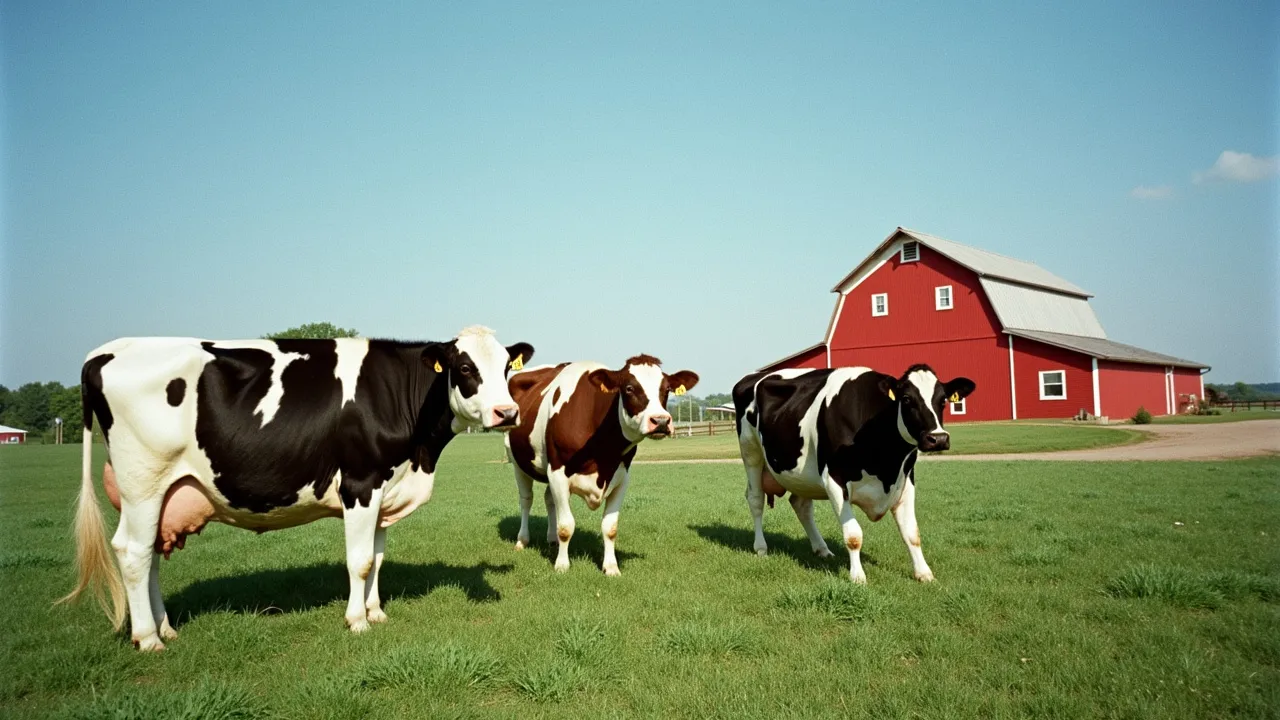
National Wisconsin Day on February 15th celebrates the state's rich heritage, from dairy farming to the Green Bay Packers. Discover Wisconsin's unique culture, history, and contributions to the nation.
The Historical Origins & Evolutionary Journey
National Wisconsin Day commemorates the spirit and heritage of the Badger State, observed annually on February 15th. This date honors the state's unique identity, though its statehood occurred on May 29, 1848. The origins of this observance are rooted in the desire to celebrate Wisconsin's distinct culture, from its Indigenous roots to its role as America's Dairyland.
The Foundational Catalyst
Wisconsin's history begins with Native American tribes such as the Ojibwe, Menominee, Ho-Chunk, and Dakota. French explorer Jean Nicolet arrived in 1634, seeking a route to Asia. The region became part of New France, then British territory after the French and Indian War. In 1783, it became part of the United States, but control was not fully established until after the War of 1812. The lead rush in the early 1800s brought European settlers, leading to the formation of the Wisconsin Territory in 1836.
The Legislative/Official Adoption
National Wisconsin Day was established by the National Day Calendar in 2017 to recognize the state's contributions to the nation. The date February 15th was chosen not for a specific historical event, but to fill the calendar and give the state its own day distinct from statehood. It has since been embraced by tourism boards, local businesses, and residents as a day to showcase Wisconsin's pride.
Modern Global Legacy
Today, National Wisconsin Day is celebrated across the United States and by Wisconsin expats worldwide. It highlights Wisconsin's role in dairy production, brewing, manufacturing, and sports. The day also promotes tourism, encouraging people to explore the state's natural beauty, from the Great Lakes to the Driftless Area.
How to Celebrate National Wisconsin Day
Celebrating National Wisconsin Day can be as simple or as elaborate as you wish. Here are some best practices and traditions that individuals, schools, and organizations can follow globally.
For Individuals
- Enjoy Wisconsin Cheese: Sample a variety of artisanal cheeses from Wisconsin, such as cheddar, Colby, and brick. Host a cheese-tasting party with friends and family.
- Watch a Packers Game: If it's football season, watch a Green Bay Packers game. Even off-season, watch classic games or visit a local sports bar.
- Cook Wisconsin Specialties: Prepare dishes like cheese curds, bratwurst, fish fry, and cranberry recipes. Bake a Kringle pastry from Racine.
For Schools
- State History Lessons: Incorporate Wisconsin history into the curriculum, focusing on Native American culture, the lead mining era, and the dairy industry.
- Field Trips: Plan virtual or in-person visits to the Wisconsin Historical Society or local museums.
- Art Projects: Have students draw the state flag, create maps, or design posters highlighting Wisconsin's symbols.
For Organizations
- Host a Wisconsin Potluck: Encourage employees to bring dishes made with Wisconsin ingredients. Share stories about trips to the state.
- Promote Tourism: Partner with travel agencies to offer discounts on travel packages to Wisconsin destinations.
- Social Media Campaigns: Use hashtags like #NationalWisconsinDay and #WisconsinDay to showcase local products and culture.
Globally, Wisconsinites abroad can host small gatherings, share photos of the state, or contact their local consulate to organize cultural events. The day is also celebrated virtually via live streams of Wisconsin landmarks and webinars on state history.
Wisconsin's Culinary Contributions to the World
Wisconsin is renowned for its food and drink, which have become iconic across the globe. The state's dairy industry produces over 600 varieties of cheese, making it the largest cheese producer in the United States.
Cheese and Dairy
- Cheese Curds: Fresh, squeaky curds are a staple, often deep-fried at state fairs.
- Butter: Wisconsin is the top butter producer, used in many recipes.
- Ice Cream: Creameries like Culver's and local shops create rich, creamy treats.
Beverages
- Beer: Milwaukee was once the brewing capital of the world, with brands like Miller, Pabst, and Schlitz.
- Brandy Old Fashioned: A unique twist on the classic cocktail, sweet and sour with muddled fruit.
- Spotted Cow: A beloved farmhouse ale from New Glarus Brewing Company.
Other Foods
- Bratwurst: German-style sausages, often served with sauerkraut and mustard.
- Fish Fry: A Friday tradition featuring fried perch or cod, often with rye bread and coleslaw.
- Cranberries: Wisconsin is the top producer of cranberries, used in sauces and juices.
These culinary exports highlight Wisconsin's agricultural abundance and immigrant heritage, making them integral to American cuisine.
The Dairy State: Economic Impact and Industry
Wisconsin's nickname "America's Dairyland" is well-earned, as the dairy industry is a cornerstone of its economy. The state has over 7,000 dairy farms and produces more than 30% of the nation's cheese.
Historical Development
Dairy farming began in the mid-19th century, driven by German, Swiss, and Scandinavian immigrants who brought cheesemaking skills. The University of Wisconsin-Madison developed the Babcock test for butterfat content, revolutionizing quality control.
Modern Industry
- Cheese Production: Wisconsin produces over 3 billion pounds of cheese annually, with specialty varieties like Limburger and Gouda.
- Milk: The state ranks second in total milk production, behind California.
- Economic Contribution: The dairy industry contributes $45.6 billion annually to the state economy and supports over 200,000 jobs.
Sustainability
Wisconsin dairy farms are increasingly adopting sustainable practices, such as manure digesters for energy and rotational grazing to preserve soil health. The industry faces challenges like changing consumer preferences and trade policies, but remains resilient.
Wisconsin's Sports Legacy and Fan Culture
Wisconsin boasts a passionate sports culture, from the iconic Green Bay Packers to the Milwaukee Brewers and Bucks. The state's fans are known for their loyalty and enthusiasm.
Green Bay Packers
The Packers are the only publicly owned non-profit major league sports team in the U.S. Their home at Lambeau Field is a pilgrimage site for football fans. The team has won 13 NFL championships, including four Super Bowls.
Milwaukee Brewers
Major League Baseball's Brewers, established in 1969, play at American Family Field. Known for the famous racing sausages, the team has a dedicated following.
Milwaukee Bucks
The NBA's Bucks won their first championship in 1971 and again in 2021. The team's arena, Fiserv Forum, is a modern venue in downtown Milwaukee.
College Sports
The University of Wisconsin Badgers have strong football, basketball, and hockey programs. Camp Randall Stadium and the Kohl Center are notable venues.
Wisconsin sports embody the state's friendly yet competitive spirit, with tailgating traditions and community pride that transcend the games themselves.
Natural Wonders and Tourism Highlights
Wisconsin offers diverse natural landscapes, from the Great Lakes shores to rolling hills and forests. Tourism is a major industry, drawing millions annually.
Great Lakes Shoreline
Wisconsin borders Lake Superior and Lake Michigan. The Apostle Islands National Lakeshore features sea caves, lighthouses, and pristine waters. Door County on Lake Michigan is known for its cherry orchards and quaint villages.
State Parks and Forests
The state has over 60 state parks, including Devil's Lake State Park with stunning quartzite bluffs. The Chequamegon-Nicolet National Forest offers hiking, biking, and winter sports.
Urban Attractions
Milwaukee boasts museums like the Milwaukee Art Museum with its iconic wings, and the Harley-Davidson Museum. Madison, the capital, features the Wisconsin State Capitol building and the University of Wisconsin campus.
Unique Destinations
Wisconsin Dells is a major waterpark resort destination. The House on the Rock is a quirky architectural marvel. Taliesin, Frank Lloyd Wright's home and studio, is a UNESCO World Heritage site.
These attractions make Wisconsin a year-round getaway for outdoor enthusiasts and cultural explorers alike.
Historical Timeline
French explorer Jean Nicolet lands at Green Bay, becoming the first European to reach Wisconsin.
Wisconsin becomes part of British territory after the French and Indian War.
The Treaty of Paris gives Wisconsin to the United States, but British control persists until the War of 1812.
The Wisconsin Territory is established, with Madison chosen as the capital.
Wisconsin is admitted as the 30th state on May 29.
The dairy industry booms as immigrants bring cheesemaking expertise. Wisconsin becomes the nation's leading cheese producer.
The Babcock test is developed at the University of Wisconsin-Madison, standardizing butterfat measurement in milk.
The Green Bay Packers are founded by Earl 'Curly' Lambeau and George Calhoun.
Milwaukee becomes a brewing powerhouse with Miller, Pabst, Schlitz, and Blatz leading the industry.
National Wisconsin Day is first observed on February 15th, established by the National Day Calendar.
The Milwaukee Bucks win their second NBA championship, sparking statewide celebrations.