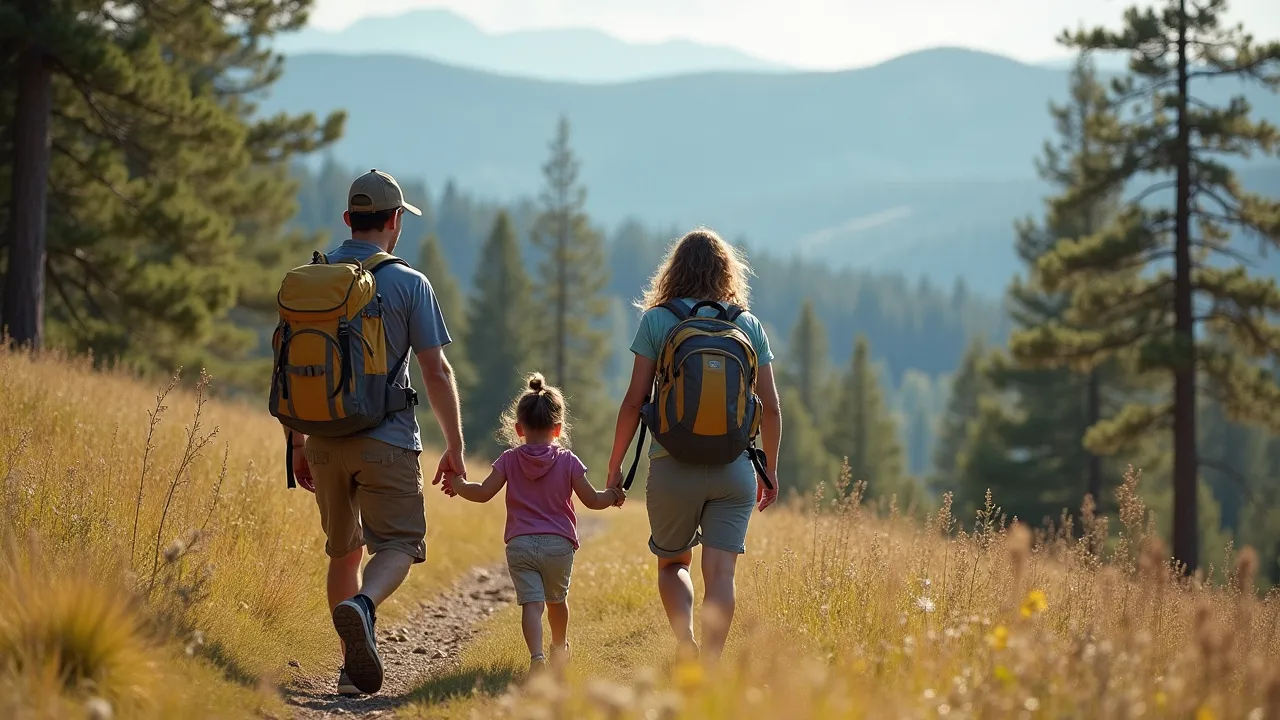
National Tourism Day, observed on May 7th, celebrates the travel and tourism industry's economic and cultural impact. It encourages Americans to explore domestic destinations and appreciate the hospitality sector that drives local communities.
The Historical Origins & Evolutionary Journey
The Foundational Catalyst
The roots of National Tourism Day trace back to the early 1980s when the U.S. travel industry faced economic stagnation. The United States Congress, recognizing tourism as a vital economic driver, passed a joint resolution in 1983 to designate the second week of May as National Tourism Week. May 7th was chosen as the focal day to kick off the week-long celebration.
The Legislative/Official Adoption
President Ronald Reagan issued Proclamation 5116 in 1983, officially establishing National Tourism Week. The proclamation highlighted tourism's role in generating jobs, fostering cultural exchange, and promoting international goodwill. Over subsequent years, May 7th solidified as the key date for events and campaigns.
Modern Global Legacy
Today, National Tourism Day has evolved beyond U.S. borders, inspiring similar observances worldwide. While World Tourism Day (September 27) focuses on global collaboration, May 7th remains a uniquely American celebration of travel. The day now emphasizes sustainable tourism, local exploration, and the economic recovery of the post-pandemic travel sector.
How to Celebrate National Tourism Day
Individual Activities
Celebrating National Tourism Day can be as simple as exploring your hometown or as ambitious as planning a road trip. Here are actionable ideas:
- Visit a local attraction such as a museum, park, or landmark you've never seen.
- Support local hospitality by dining at a family-owned restaurant or staying at a locally owned hotel.
- Share your travel stories on social media using #NationalTourismDay to inspire others.
School and Community Events
Schools can organize field trips to nearby historical sites, while community centers can host travel fairs. Example activities:
- Tourism career day: Invite professionals from airlines, hotels, and travel agencies to speak.
- Taste of travel: Set up food stations representing different cuisines from around the country.
Corporate and Organizational Participation
Travel companies often offer special deals on May 7th. Hotels, airlines, and tour operators can launch promotional campaigns that encourage domestic travel. Nonprofits can focus on responsible tourism, such as beach cleanups or cultural preservation workshops.
Economic Impact of Tourism
The travel and tourism industry is a cornerstone of the U.S. economy, generating over $1.1 trillion in spending annually and supporting millions of jobs. According to the U.S. Travel Association, tourism accounted for 6.8% of total U.S. employment pre-pandemic. National Tourism Day draws attention to these figures and advocates for policies that boost travel.
Key Economic Benefits
- Job creation: Direct jobs in hotels, airlines, and attractions, plus indirect jobs in retail and manufacturing.
- Local revenue: Tourist spending fuels local businesses, from gift shops to taxi services.
- Tax income: Tourism generates federal, state, and local taxes that fund infrastructure and public services.
During the COVID-19 pandemic, the industry suffered a $500 billion loss, making National Tourism Day a vital platform for recovery campaigns.
Sustainable Tourism and Environmental Responsibility
As travel grows, so does its environmental footprint. National Tourism Day promotes sustainable practices that minimize harm to ecosystems and heritage sites. Sustainable tourism means traveling responsibly by reducing waste, conserving resources, and respecting local cultures.
How Travelers Can Help
- Choose eco-certified hotels and tour operators.
- Use public transportation or carpool instead of renting cars.
- Avoid single-use plastics by carrying a reusable water bottle.
- Purchase local artisan goods rather than mass-produced souvenirs.
Industry Initiatives
Many destinations now enforce carrying capacity limits and require permits for fragile areas. The Global Sustainable Tourism Council sets standards that hotels and resorts can adopt. National Tourism Day often features workshops on carbon offsetting and wildlife protection.
Cultural Exchange and Global Understanding
Tourism is a powerful vessel for cultural exchange. When people travel, they experience different cuisines, languages, customs, and worldviews. National Tourism Day highlights how travel fosters empathy and reduces prejudice.
Overcoming Stereotypes
Direct interaction with locals challenges preconceived notions. For example, international visitors to the U.S. often gain a more nuanced view of American life beyond media portrayals. Similarly, Americans returning from abroad appreciate global perspectives.
Preserving Heritage
Tourism dollars help fund the restoration of historical sites, from colonial towns to indigenous villages. Many communities rely on tourism to keep traditions alive, such as festivals and handicrafts. National Tourism Day encourages travelers to participate respectfully in these traditions.
Technological Innovations in Travel
Technology has revolutionized the tourism industry, making travel more accessible, efficient, and personalized. National Tourism Day showcases innovations that enhance the traveler experience.
Key Technologies
- Mobile apps for booking flights, hotels, and tours instantly.
- Virtual reality (VR) previews of destinations before booking.
- AI chatbots providing 24/7 customer service.
- Biometric scanning for faster airport security and check-in.
Post-pandemic, contactless solutions like digital room keys and online check-ins have become standard. National Tourism Day often features tech seminars and demos at travel expos.
The Future of Tourism Post-Pandemic
The COVID-19 pandemic reshaped the tourism landscape, accelerating trends like remote work and domestic travel. National Tourism Day addresses these shifts and prepares the industry for a resilient future.
Key Trends
- Bleisure travel: combining business trips with leisure stays.
- Solo and wellness travel gaining popularity.
- Sustainable and rural tourism as alternatives to crowded cities.
- Health certifications for hotels and restaurants becoming a standard trust signal.
The U.S. Travel Association projects that domestic leisure travel will fully recover by 2024, while business travel lags. National Tourism Day serves as a strategic moment to promote innovative offerings and flexible booking policies.
Historical Timeline
United States Congress passes joint resolution designating the second week of May as National Tourism Week, with May 7th as the focal day. President Reagan signs Proclamation 5116.
First official National Tourism Day celebrated with local events, travel fairs, and industry promotions across the U.S.
Following 9/11, National Tourism Day emphasizes travel safety and industry resilience. Campaigns encourage Americans to continue traveling to support the economy.
The U.S. Travel Association launches the 'Travel Effect' campaign on National Tourism Day to highlight tourism's economic impact amid the Great Recession.
National Tourism Day sees a surge in social media engagement with the hashtag #NationalTourismDay trending. Destinations offer special deals and contests.
Pandemic forces virtual celebrations. The day focuses on future travel planning and supporting local hospitality through gift card purchases and staycation ideas.
40th anniversary of National Tourism Day. The U.S. Travel Association launches a national campaign promoting sustainable travel and domestic road trips.