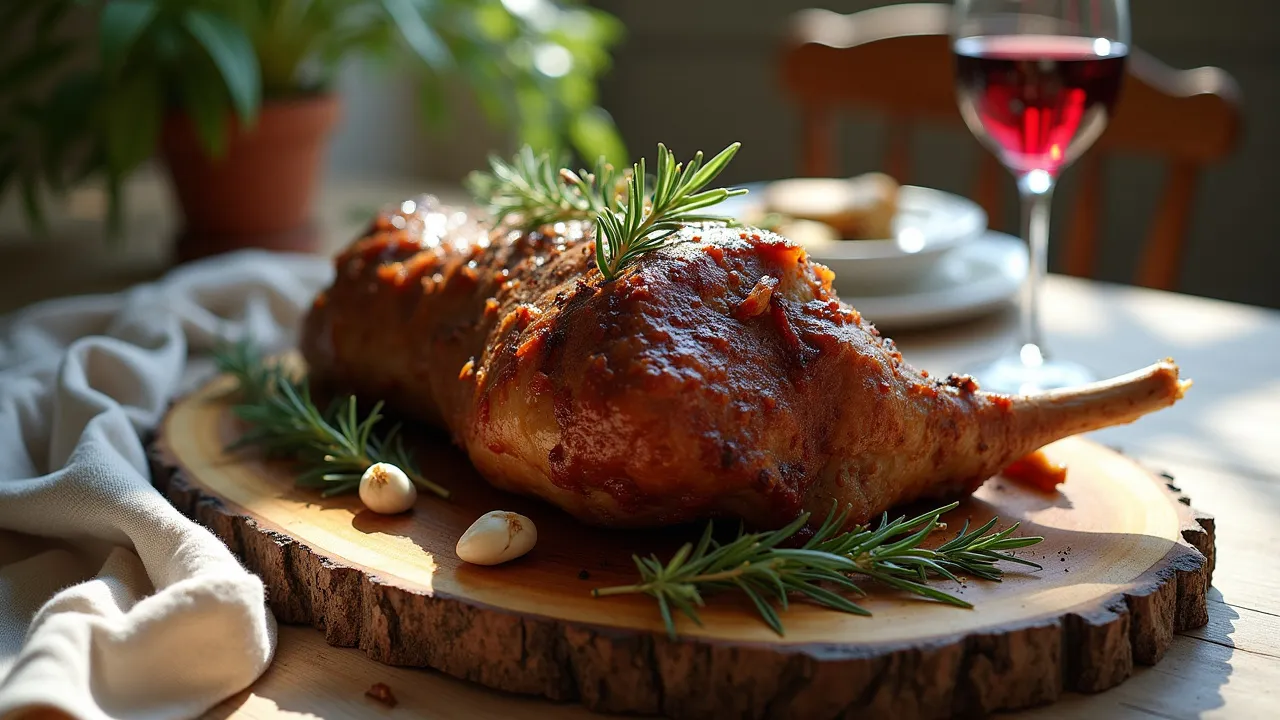
Celebrate National Roast Leg of Lamb Day on May 7th by savoring a perfectly cooked lamb leg, a tradition that honors culinary heritage and family gatherings with rich flavors and timeless recipes.
The Historical Origins & Evolutionary Journey
National Roast Leg of Lamb Day, observed annually on May 7th, celebrates one of the most revered dishes in global cuisine. The tradition of roasting a leg of lamb dates back thousands of years, with roots in ancient pastoral societies where lamb was a symbol of sacrifice and festivity. This section delves into the deep historical context and the formal establishment of this food holiday.
The Foundational Catalyst
Roast leg of lamb has been a centerpiece of feasts since antiquity. In ancient Greece and Rome, lamb was roasted during religious ceremonies and communal gatherings. The dish gained prominence in medieval Europe, where spit-roasting over an open fire was a common cooking method. By the 18th century, improvements in oven technology made roasting more accessible, cementing lamb as a Sunday dinner staple in Britain and its colonies.
The specific observance of a day dedicated to roast leg of lamb emerged in the 21st century as part of a broader trend of celebrating food and culinary heritage. The National Day Calendar officially recognized May 7th as National Roast Leg of Lamb Day in 2015, driven by the advocacy of lamb producers, chefs, and food enthusiasts seeking to highlight the dish's cultural significance and promote sustainable lamb consumption.
The Legislative/Official Adoption
While not a federal holiday, the observance gained traction through social media, cookbooks, and restaurant promotions. The American Lamb Board, a USDA-established body, played a key role in popularizing the day by providing educational materials and recipe resources. Their efforts helped establish a consistent date—May 7th—which aligns with spring lamb season in the Northern Hemisphere, when lamb is at its most tender and flavorful.
Modern Global Legacy
Today, National Roast Leg of Lamb Day is celebrated across the United States and beyond. It has become a platform for culinary education, encouraging home cooks to master the art of roasting. The day also supports local farmers and butchers, emphasizing farm-to-table practices. In regions with different lambing seasons, such as Australia and New Zealand, alternative dates are observed, but May 7th remains the primary American celebration.
How to Celebrate National Roast Leg of Lamb Day
Whether you are a seasoned chef or a curious beginner, National Roast Leg of Lamb Day offers the perfect opportunity to explore this classic dish. Below are comprehensive strategies for individuals, families, schools, and organizations to partake in the celebration.
For Individuals and Families
- Cook a Perfect Leg of Lamb: Start with a high-quality bone-in or boneless leg. Season generously with garlic, rosemary, thyme, salt, and pepper. Roast at 325°F until internal temperature reaches 135°F for medium-rare. Let rest before carving.
- Host a Lamb Feast: Invite friends and family for a themed dinner. Serve with classic sides like roasted potatoes, mint sauce, and seasonal vegetables.
- Share on Social Media: Use the hashtag #NationalRoastLegOfLambDay to connect with other enthusiasts and share your culinary creations.
For Schools and Educational Institutions
- Organize a Cooking Class: Teach students the history and technique of roasting lamb, emphasizing food safety and nutrition.
- Cultural Study: Explore the role of lamb in different cuisines—Greek, British, Moroccan, and more—as part of a global food curriculum.
- Farm Visit: Arrange a field trip to a local sheep farm to learn about sustainable livestock practices.
For Restaurants and Organizations
- Feature a Special Menu: Offer a roast leg of lamb dinner with unique twists, such as spice rubs or sous-vide preparation.
- Charity Event: Host a fundraising dinner where a portion of proceeds goes to hunger relief or agricultural sustainability programs.
- Workshop Series: Partner with butchers or chefs to conduct virtual or in-person demonstrations on lamb breakdown and roasting techniques.
The Culinary Art of Roasting Leg of Lamb
Mastering the roast leg of lamb requires understanding key techniques that ensure juicy, flavorful meat every time. This section breaks down the process into actionable steps.
Selecting the Cut
- Bone-in Leg: Provides more flavor and moisture, better for slow roasting.
- Boneless Leg: Easier to carve and cook evenly, ideal for quicker meals.
- Butterflied Leg: Flattened for grilling or faster roasting, often stuffed with herbs and veggies.
Preparation and Seasoning
Score the fat cap and apply a dry rub of minced garlic, rosemary, thyme, salt, and pepper. For deeper flavor, marinate overnight with red wine, olive oil, and lemon juice. Let meat come to room temperature before roasting to ensure even cooking.
Roasting Temperatures and Times
- Rare: 120–125°F (about 15 min per pound)
- Medium-Rare: 130–135°F (about 20 min per pound)
- Medium: 140–145°F (about 25 min per pound)
- Well-Done: 150°F+ (not recommended for leg of lamb)
Always let the lamb rest for 15–20 minutes after roasting. This allows juices to redistribute, resulting in a more tender slice.
Tips for Crispy Bark
For a golden-brown crust, sear the lamb in a hot pan before roasting, or finish under the broiler for 2–3 minutes. Basting with pan juices during roasting enhances both flavor and texture.
Wine and Side Pairings for Roast Lamb
The rich, savory flavor of roast leg of lamb pairs wonderfully with a variety of wines and side dishes. Here are expert recommendations to elevate your meal.
Wine Pairings
- Red Wines: Cabernet Sauvignon, Merlot, Syrah/Shiraz, and Bordeaux blends complement the lamb's gaminess. Burgundy Pinot Noir offers a lighter, earthy option.
- White Wines: Full-bodied Chardonnay or Viognier can work with herb-crusted lamb.
- Rosé: Dry rosé from Provence provides a refreshing contrast.
Classic Side Dishes
- Roasted Potatoes: Crispy on the outside, fluffy inside, often tossed with rosemary and garlic.
- Mint Sauce or Jelly: Traditional British accompaniment that cuts through the richness.
- Seasonal Vegetables: Asparagus, green beans, roasted carrots, or a spring pea salad.
- Yorkshire Puddings: Popular in the UK, these savory popovers absorb the lamb's juices.
- Grains: Couscous, quinoa, or pilaf with nuts and dried fruits for a Middle Eastern twist.
Dessert Suggestions
Finish with light desserts like lemon tart, panna cotta, or fresh fruit to cleanse the palate.
Nutritional Benefits of Lamb
Beyond its delicious taste, roast leg of lamb offers significant nutritional value. It is a nutrient-dense protein source that supports overall health.
Key Nutrients
- High-Quality Protein: Essential for muscle repair, immune function, and satiety.
- B Vitamins: Particularly B12, needed for red blood cell formation and neurological health.
- Iron: Heme iron in lamb is easily absorbed, helping prevent anemia.
- Zinc: Boosts immune system and wound healing.
- Omega-3 Fatty Acids: Grass-fed lamb contains higher levels of anti-inflammatory omega-3s.
Health Considerations
While lamb can be part of a balanced diet, moderation is key due to its saturated fat content. Opt for lean cuts and trim visible fat. Pair with abundant vegetables and whole grains for a well-rounded meal. The American Heart Association recommends limiting red meat intake, but enjoying lamb occasionally as part of a varied diet is acceptable.
For those following specific dietary patterns (e.g., Paleo, Keto, Mediterranean), roast leg of lamb fits perfectly due to its high protein and fat content.
Global Variations of Roast Leg of Lamb
Roast leg of lamb is celebrated in diverse culinary traditions around the world. Each culture brings its own flavor profiles and cooking methods, enriching the dish's global appeal.
Greek Roast Lamb
Marinated with lemon, oregano, garlic, and olive oil, then slow-roasted until fork-tender. Often served with roasted potatoes, tzatziki, and a Greek salad. This style is a staple for Easter celebrations.
British Roast Lamb
The classic Sunday roast features lamb seasoned with rosemary and garlic, served with mint sauce, roast potatoes, Yorkshire puddings, and seasonal vegetables. The meat is typically roasted to medium-rare.
Middle Eastern Lamb
Marinated with cumin, coriander, turmeric, and cinnamon, then slow-cooked. Often served with rice pilaf, grilled vegetables, and yogurt sauce. Lamb is also used in shawarma and kebabs.
Indian Lamb Roast
Spiced with garam masala, ginger, garlic, and chili, sometimes cooked in a yogurt-based marinade. The dish is often paired with naan bread, basmati rice, and raita.
French Roast Lamb
Typically prepared as a rack or leg, seasoned with herbes de Provence, and served with a white bean gratin or ratatouille. The French emphasize high-quality, grass-fed lamb.
These variations reflect local tastes and available ingredients, but all celebrate the centrality of lamb in festive meals.
Hosting a Roast Leg of Lamb Feast
Planning a gathering around this stately dish requires attention to detail. Here is a guide to ensure your event is memorable.
Menu Planning
- Appetizer: Light starters like bruschetta, spanakopita, or a simple salad.
- Main Course: Roast leg of lamb with two or three sides and a sauce (gravy, mint sauce, or chimichurri).
- Wine: Offer at least one red and one white option, plus non-alcoholic choices.
- Dessert: Keep it simple to avoid overshadowing the main event.
Table Setting and Décor
Use natural elements like wood platters, linen napkins, and fresh herbs for garnishes. For a spring theme, incorporate pastel colors and floral centerpieces. Provide carving tools and a sharp knife for the host.
Timeline for the Host
- 2 Days Before: Order the lamb, plan sides, and prep marinade.
- 1 Day Before: Marinate lamb, make sides that can be reheated, set table.
- Morning of Event: Remove lamb from fridge, preheat oven, start roasting early to allow resting.
- 30 Minutes Before Serving: Rest the lamb, reheat sides, carve and plate.
With careful planning, your roast leg of lamb feast will become a cherished tradition.
Historical Timeline
Roasting whole lambs over open fires in ancient Greece, Rome, and biblical Middle Eastern cultures as part of religious and communal feasts.
Spit-roasting of lamb becomes common in European castles and taverns, with herbs like rosemary and thyme used for flavor.
Enclosed iron ovens enable more consistent roasting temperatures, making roast leg of lamb a popular Sunday dinner in Britain.
National Day Calendar officially recognizes May 7th as National Roast Leg of Lamb Day, championed by the American Lamb Board and food enthusiasts.
The observance gains widespread social media attention, with #NationalRoastLegOfLambDay trending and many restaurants offering special menus.