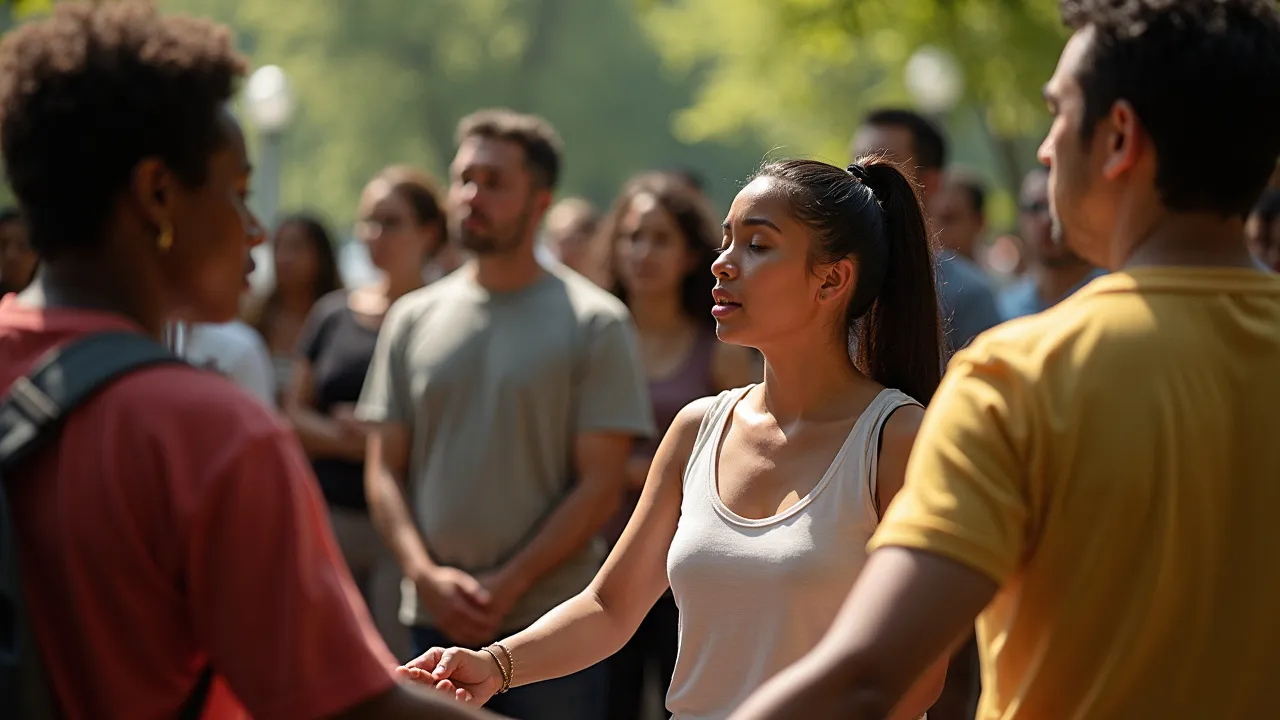
The National Day of Prayer is an annual observance held on the first Thursday in May, encouraging Americans to pray for the nation and its leaders. Established in 1952, it is a day of spiritual reflection and unity.
The Historical Origins & Evolutionary Journey
The National Day of Prayer has deep roots in American history, tracing back to the earliest days of the republic. Its evolution reflects the nation's enduring relationship with faith and governance.
The Foundational Catalyst
The concept of a designated day for prayer predates the United States itself. In 1775, the Continental Congress issued a proclamation for a day of "public humiliation, fasting, and prayer" during the Revolutionary War. This set a precedent for future calls to prayer during times of crisis. Throughout the 19th century, various presidents, including Abraham Lincoln, proclaimed days of prayer during the Civil War. However, these were sporadic and not fixed on the calendar.
The Legislative/Official Adoption
The modern National Day of Prayer was established in 1952 through a joint resolution of Congress, signed into law by President Harry S. Truman. The law stated that the President should set aside a day each year for prayer, but did not specify a date. In 1988, Congress amended the law, designating the first Thursday in May as the permanent date. This change aimed to create consistency and broaden participation. Evangelical leader Billy Graham was a key advocate, and the observance gained strong support from religious and political figures.
Modern Global Legacy
While the National Day of Prayer is primarily an American observance, its influence has spread internationally. Similar days of prayer exist in other countries, such as Canada's National Day of Prayer on the same date. The day has also faced legal challenges regarding separation of church and state, but courts have generally upheld its constitutionality as a ceremonial event. Today, it is marked by events at local, state, and national levels, including the National Day of Prayer Task Force's annual gathering in Washington, D.C.
How to Celebrate National Day of Prayer
The National Day of Prayer is a flexible observance that can be tailored to individual, group, or community settings. Below are actionable strategies for different audiences.
For Individuals
- Personal Prayer Time: Dedicate a specific time to pray for the nation, leaders, and global issues. Use a prayer guide or journal.
- Attend a Public Event: Many communities host prayer gatherings at churches, parks, or town halls. Check local listings.
- Pray with Family: Gather household members for a moment of silence or group prayer. Discuss the significance of the day.
For Schools and Educational Institutions
- Moment of Reflection: Incorporate a neutral moment of silence or allow voluntary prayer groups.
- History Lesson: Teach about the constitutional and historical context of the day.
- Community Service: Organize a service project as an expression of faith in action.
For Organizations and Corporations
- Employee Prayer Groups: Provide a voluntary space for employees to gather for prayer.
- Charitable Initiatives: Partner with local nonprofits to address community needs.
- Interfaith Dialogues: Host events that respect diverse beliefs while fostering unity.
Internationally, participation varies. In Canada, events often focus on national unity. In the UK, some churches hold special services. The key is to adapt the observance to local culture and legal frameworks.
Global Impact and Regional Variations
While the National Day of Prayer is rooted in the United States, similar observances exist worldwide, reflecting diverse cultural and religious practices.
United States
The primary date is the first Thursday in May. The National Day of Prayer Task Force, led by evangelical Christians, organizes events. However, many interfaith groups also participate. The day is often marked by prayer breakfasts, prayer walks, and social media campaigns.
Canada
Canada's National Day of Prayer is observed on the same Thursday. It originated from the same 1952 movement and is supported by the Evangelical Fellowship of Canada. Events are less centralized but include church services and community prayers.
United Kingdom
While not an official holiday, the UK has a "National Day of Prayer" movement linked to the US, but it is not on a fixed date. Some churches observe it on the first Thursday of May as part of the global prayer movement.
Other Countries
In nations like South Korea and Nigeria, prayer days are often called by governments during crises. The concept of a unified national prayer day varies, but the underlying theme of communal supplication is universal.
Core Themes and Societal Role
The National Day of Prayer emphasizes several core themes that resonate across communities.
Unity
The day aims to unite people across denominational, political, and ethnic lines in a common act of prayer. It serves as a reminder of shared values and collective responsibility.
Reflection
Participants are encouraged to reflect on national blessings, challenges, and the need for moral guidance. This introspection can foster personal and social growth.
Prayer for Leaders
Intercessory prayer for government officials, military personnel, and first responders is a central activity. This aligns with religious teachings to pray for those in authority.
Societally, the day provides a platform for faith-based organizations to engage with public life. Critics argue it blurs church-state separation, but supporters maintain it is a voluntary expression of religious freedom.
Controversies and Legal Challenges
The National Day of Prayer has been subject to legal scrutiny over constitutionality.
Separation of Church and State
Opponents argue that a government-sanctioned day of prayer violates the Establishment Clause by endorsing religion. In 2010, a federal judge ruled the day unconstitutional, but the ruling was overturned on appeal because the plaintiffs lacked standing. The Supreme Court declined to hear the case, leaving the law intact.
Inclusivity Concerns
Some secular and non-Christian groups feel excluded, as the day is often perceived as Christian-focused. In response, interfaith and secular alternatives have emerged, such as the "National Day of Reason" observed on the same date.
Despite controversies, the day remains popular among religious Americans, with many seeing it as a positive tradition that strengthens community bonds.
Impact on Faith and Culture
The National Day of Prayer influences both religious practice and broader cultural norms.
Religious Engagement
Churches often organize special services, prayer vigils, and outreach events. The day boosts interchurch cooperation and ecumenical efforts. It also encourages personal prayer habits among Christians.
Cultural Significance
In the public square, the day reinforces the role of religion in American identity. It is a reminder that despite secularization, faith remains a key part of many citizens' lives. The day also generates media coverage and social media trends, spreading its message beyond religious circles.
Globally, the US observance has inspired similar movements, fostering a transnational prayer network. Missionary organizations use the day to coordinate prayer for global issues like poverty and persecution.
Historical Timeline
Continental Congress calls for a day of public humiliation, fasting, and prayer during the Revolutionary War.
President Abraham Lincoln proclaims a day of prayer and fasting amid the Civil War.
Congress passes a joint resolution establishing the National Day of Prayer as an annual observance, signed into law by President Harry Truman.
Congress amends the law, fixing the date as the first Thursday in May.
A federal judge rules the National Day of Prayer unconstitutional, but the ruling is later overturned on appeal.