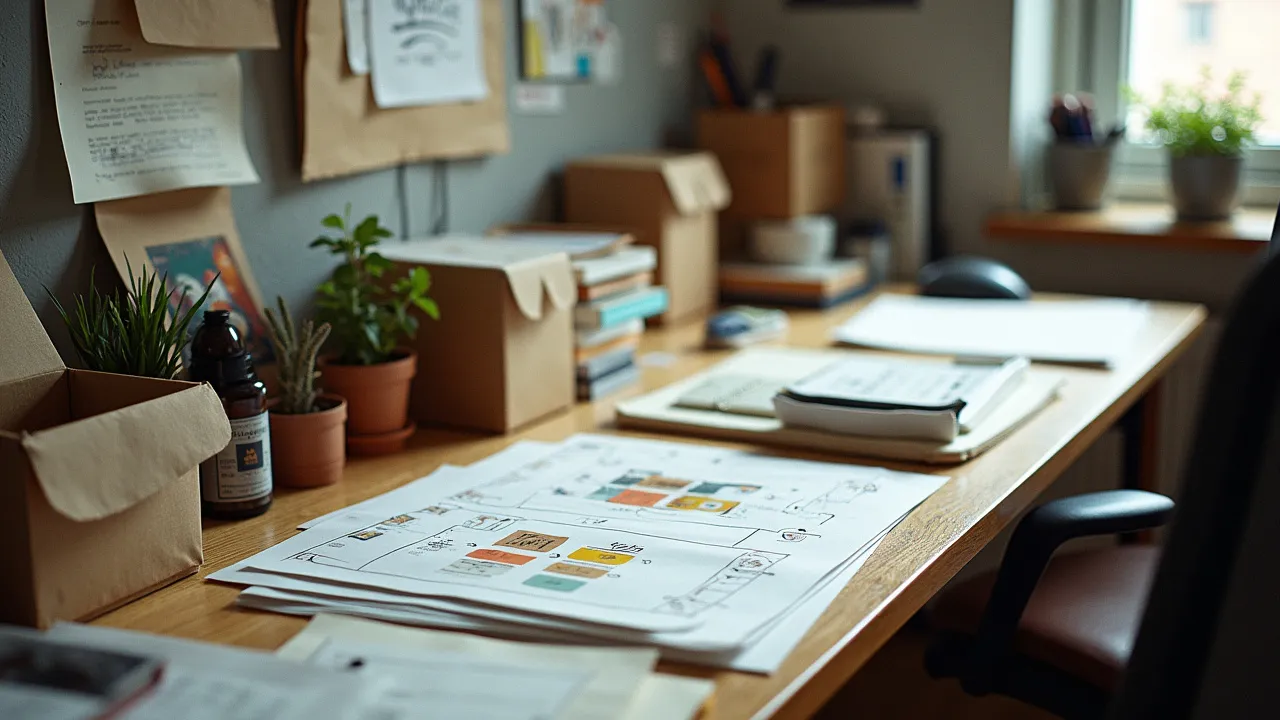
National Packaging Design Day on May 7th honors the creativity and innovation behind product packaging. It recognizes the blend of art and engineering that protects goods and captivates consumers.
The Historical Origins & Evolutionary Journey
National Packaging Design Day was established in 1995 by the Packaging Design Association to celebrate the often-overlooked discipline of packaging design. Its founding recognized that packaging is not merely a container but a critical communication tool that bridges brands and consumers.
The Foundational Catalyst
The mid-20th century saw a surge in consumer goods and self-service retail, making packaging a silent salesman. Designers like Raymond Loewy and Walter Dorwin Teague pioneered package aesthetics that built brand identity. By the 1970s, environmental concerns began reshaping materials, leading to recyclable and minimalist designs. The official founding of the day aimed to educate the public on these contributions.
Legislative/Official Adoption
The Packaging Design Association lobbied for recognition, and in 1995, National Packaging Design Day was first observed on May 7th, coinciding with the founding anniversary of the association. Over the years, it gained support from design schools, museums, and industry bodies such as the Institute of Packaging Professionals.
Modern Global Legacy
Today, the day is marked worldwide with exhibitions, workshops, and awards. The rise of e-commerce and sustainability has thrust packaging design into the spotlight, making this observance more relevant than ever. It now encompasses digital packaging, augmented reality labels, and biodegradable materials.
How to Celebrate National Packaging Design Day
Whether you're a designer, student, or consumer, there are many ways to participate. Follow these steps to honor the art and science of packaging design.
For Individuals
- Examine Your Pantry: Analyze packages for design elements like color, typography, and structure. Note what makes you pick one product over another.
- Upcycle Packaging: Turn used boxes and containers into storage or art projects. Share your creations on social media with #PackagingDesignDay.
- Attend a Virtual Workshop: Many design associations offer free webinars on packaging trends, from structural design to sustainable materials.
For Schools & Universities
- Host a Design Challenge: Task students with redesigning a common product's package for better sustainability or user experience.
- Invite Guest Speakers: Bring in professionals from packaging firms to discuss career paths and real-world projects.
- Create a Pop-Up Museum: Display historical and innovative packages from different eras to illustrate design evolution.
For Organizations & Brands
- Launch a Limited Edition Package: Celebrate the day by releasing a special design that tells your brand story.
- Run a Social Media Campaign: Share behind-the-scenes content about how your packaging is developed, focusing on sustainability efforts.
- Host an Employee Design Workshop: Encourage cross-department collaboration to brainstorm new packaging ideas.
In different regions, traditions vary. In Japan, packaging design often emphasizes furoshiki cloth wrapping and minimalism. In Europe, strict environmental regulations drive designs that are fully recyclable. In the United States, the day often features trade shows and awards ceremonies like the Packaging Design Awards.
Global Impact of Packaging Design on Sustainability
Packaging design directly influences environmental outcomes. The shift toward circular economy principles has made designers rethink materials, reducing waste and carbon footprint.
Material Innovations
- Biodegradable Plastics: PLA and PHA materials derived from corn or algae are replacing petroleum-based plastics.
- Edible Packaging: Seaweed-based wrappers for single-use items like coffee pods or condiment sachets.
- Reusable Systems: Loop and other platforms use durable containers that are returned, cleaned, and refilled.
Consumer Behavior
Studies show that 70% of consumers are willing to pay more for sustainable packaging. Designers now balance aesthetics with eco-labels, minimalist graphics, and clear recycling instructions. National Packaging Design Day highlights these efforts, encouraging brands to adopt lifecycle thinking.
Technological Transformations in Packaging Design
Technology has revolutionized packaging from concept to shelf. Designers now use advanced tools to create functional and engaging packages.
Digital Prototyping
Software like ArtiosCAD and Esko allows designers to create 3D mockups and test structural integrity virtually, reducing material waste during development.
Smart Packaging
- QR Codes & NFC: Enable customers to access product information, authenticity checks, and brand stories.
- Freshness Indicators: Color-changing labels that show food spoilage, reducing food waste.
- Augmented Reality: Apps that bring packaging to life, offering interactive experiences.
Printing Innovations
Digital printing enables short runs and personalized packaging, allowing brands to create limited editions or mass customization without high setup costs.
The Role of Packaging Design in Brand Identity
Packaging is often the first physical touchpoint a consumer has with a brand. Great design builds trust and loyalty.
Visual Hierarchy
Effective packaging guides the eye: brand name, product type, key benefits, then legal information. Colors evoke emotions—blue for trust, green for eco-friendliness, red for excitement.
Structural Design
Unique shapes stand out on shelves. Think of the Coca-Cola bottle or the Pringles can. Functional features like resealable zippers or ergonomic handles enhance user experience.
Case Study: Apple
Apple's packaging is minimal, white, and premium. The unboxing experience is carefully designed to build anticipation and reinforce the brand's sleek image.
Educational Pathways and Career Opportunities in Packaging Design
National Packaging Design Day also serves to inspire the next generation of designers. The field combines creativity with engineering and marketing.
Academic Programs
Many universities offer degrees in Packaging Science or Industrial Design with a packaging concentration. Programs cover materials, structural design, graphic design, and sustainability.
Key Skills
- CAD and 3D Modeling
- Understanding of Materials
- Consumer Psychology
- Regulatory Knowledge
Career Roles
- Packaging Designer - Creates visual and structural designs.
- Packaging Engineer - Focuses on material performance and production.
- Sustainability Manager - Ensures eco-friendly practices.
- Brand Manager - Oversees packaging strategy for a product line.
Historical Timeline
Mass production of cardboard boxes begins, revolutionizing shipping and storage.
First self-opening carton patented, streamlining packaging assembly.
Raymond Loewy designs the iconic Lucky Strike cigarette package, pioneering modern brand packaging.
Tupperware introduces airtight, reusable plastic containers, changing food storage.
The easy-open can end (pull tab) invented by Ermal Fraze, improving convenience.
First UPC code scanned on a pack of Wrigley's gum, launching barcode-based retail.
National Packaging Design Day first celebrated on May 7th by the Packaging Design Association.
Coke launches the PlantBottle, made partially from plants, signaling a shift toward sustainable packaging.
Adidas introduces the Futurecraft shoe packaging made from recycled ocean plastic.
COVID-19 pandemic accelerates e-commerce packaging innovations, such as easy-open and tamper-evident designs.