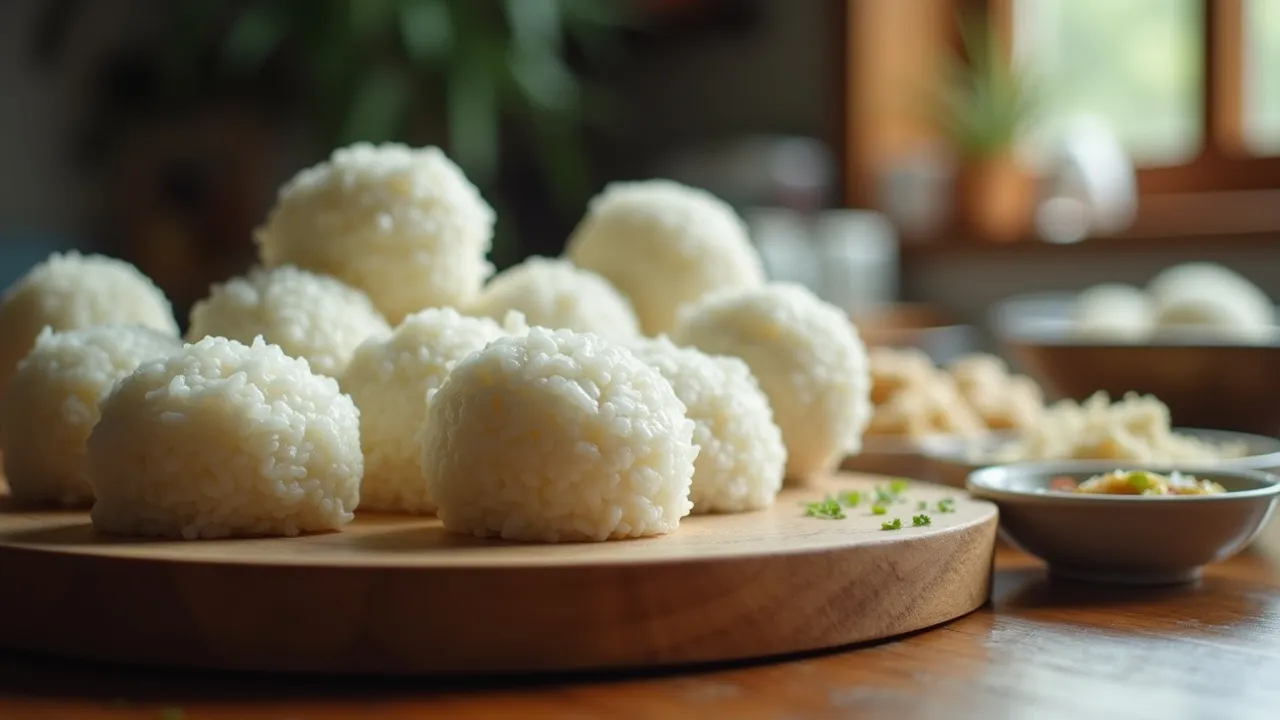
National Rice Ball Day on April 19th celebrates the versatile rice ball, a staple comfort food across cultures from Japanese onigiri to Italian arancini. Discover its history, global variations, and how to enjoy this portable snack.
The Historical Origins & Evolutionary Journey
Rice balls are one of the oldest and most universal convenience foods, with roots stretching back over a thousand years. The observance of National Rice Ball Day on April 19th honors this humble yet profound culinary staple. While the day is recognized primarily in the United States, its spirit is global.
The Foundational Catalyst
The earliest known rice balls date to the Heian period in Japan (794–1185), where they were used as portable rations for travelers and warriors. Called onigiri, these were simply formed by hand, often salted and wrapped in seaweed (nori). The foundational catalyst for the modern rice ball was the need for preserved, easy-to-eat food that could be carried without utensils. In Italy, a parallel tradition emerged with arancini—fried rice balls stuffed with ragù, cheese, and peas—tracing back to 10th-century Sicily under Arab influence. The use of saffron and the shape (often resembling a small orange) highlighted how rice adapted to local tastes.
The Legislative/Official Adoption
National Rice Ball Day was established in the early 2000s by the National Day Calendar as a food holiday to promote the appreciation of rice-based snacks. The date April 19th was chosen to coincide with the peak of spring when fresh rice harvests begin in many southern hemisphere regions, though its official adoption was more promotional than legislative. The day has since been embraced by Japanese restaurants, Asian grocery chains, and food bloggers.
Modern Global Legacy
Today, rice balls are a canvas for culinary creativity. In Japan, convenience stores sell millions of onigiri daily. In the West, fusion versions include everything from spicy tuna to barbecue chicken. The recognition of National Rice Ball Day has spurred festivals, cooking classes, and social media campaigns emphasizing the food's portability, health benefits, and cultural significance. This day serves as a reminder of how a simple mixture of rice and seasoning can connect diverse culinary traditions.
How to Celebrate National Rice Ball Day
Celebrating National Rice Ball Day is an opportunity to explore the rich diversity of this food. Here are actionable ideas for individuals, families, schools, and organizations.
For Individuals and Families
- Make Traditional Onigiri: Start with basic sushi rice seasoned with rice vinegar, salt, and sugar. Form into triangles or rounds, fill with umeboshi plum, salmon, or tuna mayo, and wrap with nori.
- Try Arancini: Prepare risotto, cool it, then form balls around a cube of mozzarella. Roll in breadcrumbs and deep-fry until golden. Serve with marinara sauce.
- Host a Rice Ball Party: Set up a DIY station with different rice types (jasmine, short-grain, brown), fillings (kimchi, chicken katsu, roasted veggies), and toppings (sesame seeds, furikake, tempura flakes).
For Schools and Community Groups
- Cultural Education Day: Organize a workshop where participants learn the history of rice balls from Japan, Italy, and other cultures. Include a tasting session.
- Fundraising Sale: Sell homemade rice balls to raise money for local food banks. Use recipe cards to explain the cultural background.
- Social Media Contest: Encourage participants to post their unique rice ball creations using a designated hashtag, with prizes for most creative.
For Restaurants and Businesses
- Special Menu: Offer limited-time rice ball varieties, such as spicy crab, vegan teriyaki, or thai basil. Provide discounts for customers who post reviews.
- Collaboration: Partner with local rice farms or seaweed producers for cross-promotion.
- Charity Component: Donate a portion of the day's sales to food programs focused on Asian or Italian communities.
Global Variations of Rice Balls
Rice balls appear in many cuisines, each reflecting local ingredients and traditions. Here is a detailed look at the most prominent varieties.
Japanese Onigiri
The quintessential rice ball, onigiri, is often shaped by hand into triangles or cylinders. Traditional fillings include pickled plum (umeboshi), grilled salmon, and kombu seaweed. Modern versions feature spicy tuna, chicken teriyaki, or even hamburger patty. Onigiri is typically wrapped in nori and sometimes sprinkled with sesame seeds or furikake.
Italian Arancini
Arancini (little oranges) are fried rice balls from Sicily. They are usually made with risotto, saffron, and fillings like ragù, mozzarella, and peas. There are also sweet versions filled with chocolate or pistachio. They are commonly served as street food.
Chinese Zongzi
While technically wrapped in bamboo leaves, zongzi are glutinous rice balls stuffed with meats, mushrooms, and chestnuts, traditionally eaten during the Dragon Boat Festival. The sticky rice is often seasoned with soy sauce and five-spice powder.
Korean Jumeokbap
Jumeokbap (fist rice) are small, hand-formed balls of seasoned short-grain rice mixed with vegetables, beef, or tuna. They are often coated in sesame oil and served as a side dish or snack.
Filipino Biko
Biko is a sweet rice cake made from glutinous rice, coconut milk, and brown sugar. While not a ball per se, it is often shaped into small mounds or squares and served during celebrations.
Other Regional Innovations
Hawaiian Rice Balls: Influenced by Japanese immigrants, local versions often include spam, eggs, and furikake.
Indian Rice Balls (Litti): In Bihar, litti are whole-wheat balls stuffed with roasted gram flour, but some variations use rice flour.
Brazilian Bolinho de Arroz: Fried rice balls made with leftover white rice, herbs, and cheese, similar to arancini but with a Brazilian twist (often served with hot sauce).
Nutritional Benefits and Health Aspects
Rice balls can be a nutritious meal or snack when prepared thoughtfully. Their health value depends largely on the type of rice, fillings, and cooking method.
Key Nutritional Components
- Rice as a Base: Brown rice offers more fiber and B vitamins than white rice. Short-grain rice provides quick energy due to its higher glycemic index, while jasmine rice has a slightly lower impact. For gluten-free diets, all pure rice varieties are safe.
- Fillings: Protein-rich fillings like salmon, tuna, chicken, or tofu add satiety. Vegetables (pickled or fresh) contribute antioxidants and vitamins. Cheese in arancini provides calcium but also adds saturated fat.
- Condiments and Wraps: Nori seaweed is rich in iodine and minerals. Sesame seeds add healthy fats and calcium. However, excessive soy sauce or mayonnaise can increase sodium and calorie content.
Health Considerations
- Portion Control: A typical onigiri is about 150–200 calories, making it a moderate snack. Arancini, being fried, may double that count.
- Dietary Adaptations: For low-carb diets, cauliflower rice can be substituted (though not traditional). For vegan versions, use plant-based fillings and skip dairy; for low-fat, steam or bake instead of fry.
- Shelf Life: Rice balls are best eaten fresh. If storing, keep refrigerated and consume within 24 hours, as cooked rice is susceptible to bacterial growth.
National Rice Ball Day is an excellent opportunity to experiment with healthier variations, such as using quinoa or millet, stuffing with lean proteins, and seasoning with herbs instead of salt.
Cultural Significance Across Continents
Rice balls transcend mere food; they are embedded in social rituals, family traditions, and national identities. Understanding their cultural weight enhances appreciation of National Rice Ball Day.
Japan: The Soul of Onigiri
In Japan, onigiri are associated with obento (boxed lunches), picnics, and school trips. The triangular shape is said to represent the shape of a mountain, symbolizing strength and endurance. Onigiri also appear in religious offerings (shinto) and are a common comfort food from childhood. The convenience store culture has made onigiri an icon of quick, quality food.
Italy: Arancini as Street Food Heritage
Arancini are deeply tied to Sicilian identity, particularly in Palermo and Catania. They are sold at street stalls and festivals, reflecting the island's history of Islamic, Norman, and Greek influences. Each region has its own variation: arancini are often cone or ball-shaped, and the fillings vary. They are a staple for celebrations like feast days and family gatherings.
China: Zongzi and the Dragon Boat Festival
Zongzi are central to the Dragon Boat Festival (Duanwu), commemorating the poet Qu Yuan. The act of making and eating these rice balls is a family bonding activity, with recipes passed down through generations. The bamboo or reed leaves used for wrapping add a distinct fragrance and are believed to have medicinal properties.
Global Fusion and Identity
In multicultural societies, rice balls have become a bridge food. For diaspora communities, they offer a taste of home; for others, they represent culinary adventure. The rise of food trucks and pop-up restaurants specializing in fusion rice balls—like Korean-Mexican, Japanese-Peruvian, or Indian-inspired—shows how this simple food adapts and unites people across boundaries.
Rice Balls in Modern Pop Culture
Rice balls have made their mark in media, advertising, and digital culture, further cementing their place in the public imagination. Their portability and visual appeal make them ideal for product placement and social media.
Anime and Manga
Onigiri appears in countless anime and manga scenes, often as a student's lunch or a character's comfort food. Series like Naruto (where the protagonist loves onigiri) and My Neighbor Totoro feature memorable rice ball moments. This has introduced onigiri to international audiences and fueled its popularity in the West.
Food Blogs and YouTube
Dedicated channels like "Onigiri Time" and "Cooking with Dog" have millions of views. Social media platforms like Instagram and TikTok showcase aesthetically pleasing rice ball creations, often with fillings like spicy tuna, mango sticky rice, or even ramen inside. The hashtag #riceball has over 500,000 posts, many featuring step-by-step tutorials.
Celebrity Endorsements
Chefs like David Chang (Momofuku) and Yotam Ottolenghi have reimagined rice balls in their menus, elevating them to fine dining. Food critics often highlight rice balls as a must-try street food. In 2023, a viral tweet about "perfect triangle onigiri" led to a surge in home onigiri makers and accessories.
Advertising Campaigns
Major brands like 7-Eleven (Japan), S&B Foods, and Nishiki Rice have used National Rice Ball Day in their marketing. 7-Eleven in Japan sells over 2,000 onigiri per store each week, and their April 19th specials often include limited-edition fillings and discounts. Food delivery services like DoorDash and Uber Eats have also promoted rice ball combos on this day.
The cultural saturation of rice balls ensures that National Rice Ball Day is not just a passive observance but an active participation in a global food trend.
Historical Timeline
Earliest records of rice balls in Japan during the Heian period, used as portable meals for travelers and soldiers.
Arancini likely originate in Sicily under Arab rule, introduced as a way to use leftover risotto.
Japanese immigrants bring onigiri to Hawaii, leading to local variations like Spam musubi.
Arancini gain popularity in the United States as Italian-American cuisine expands.
National Rice Ball Day is entered into the National Day Calendar, with the date set as April 19th.
The global convenience store chain 7-Eleven Japan sells its one billionth onigiri.
Gourmet onigiri shops open in major US cities like New York and Los Angeles, driven by food blogging and Japanese pop culture.
Social media campaigns for National Rice Ball Day reach over 10 million impressions, establishing it as a widely recognized food holiday.