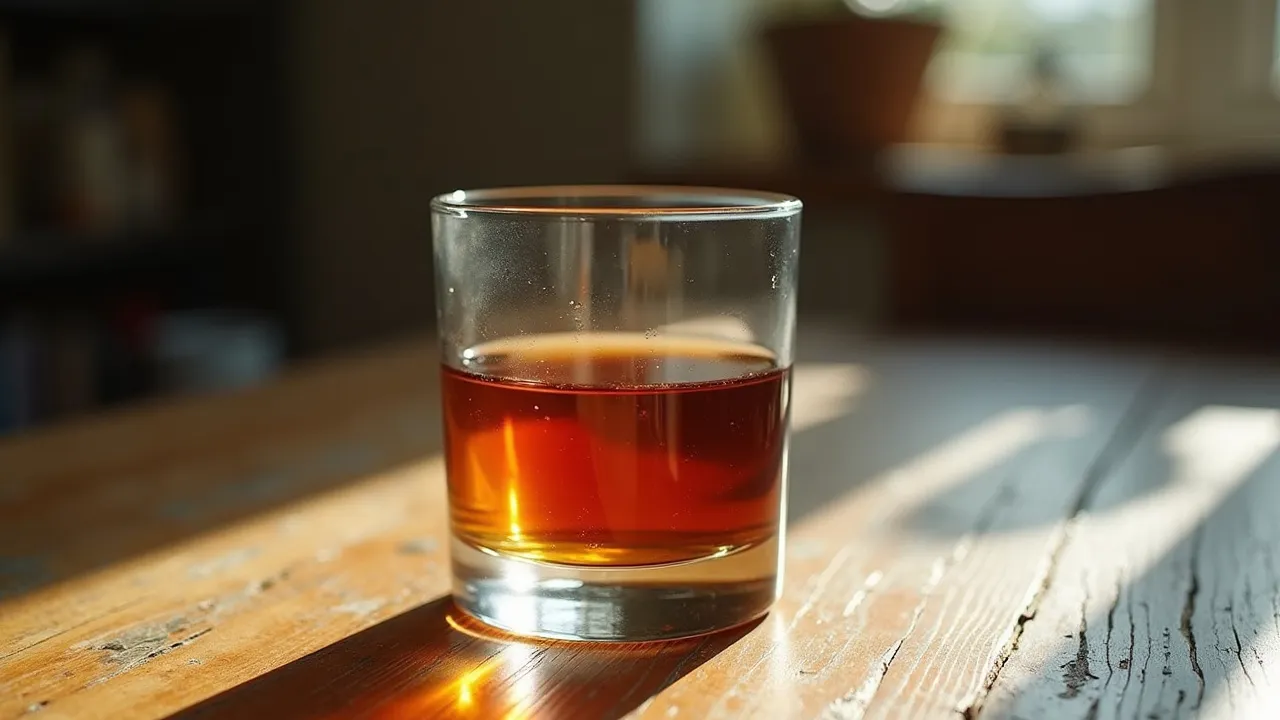
National Amaretto Day, celebrated on April 19th, honors the beloved Italian almond-flavored liqueur. Discover its rich history, cultural significance, and creative ways to enjoy this versatile spirit.
The Historical Origins & Evolutionary Journey
National Amaretto Day, observed annually on April 19th, is a tribute to one of Italy's most cherished exports: amaretto liqueur. This sweet, almond-flavored spirit has a storied past that intertwines with Renaissance art, family-run distilleries, and global cocktail culture. To fully appreciate this day, one must journey back to its origins and trace its evolution from a local specialty to an international icon.
The Foundational Catalyst
Amaretto's roots lie in the northern Italian town of Saronno, in the Lombardy region. The most famous brand, Disaronno, claims a recipe dating back to 1525. Legend has it that a young widow, who was the innkeeper's daughter, created the liqueur as a gift for the painter Bernardino Luini, who was decorating a local church with a fresco of the Madonna. She used apricot kernel oil, brandy, and a secret blend of 17 herbs and fruits. This "originale" recipe is still used today, with the liqueur's distinctive golden hue and sweet, slightly bitter almond taste.
The Legislative/Official Adoption
While amaretto has been produced for centuries, its official "day" is a modern invention. National Amaretto Day likely emerged in the early 2000s as part of a broader trend of food-and-drink-themed holidays promoted by brand marketers and enthusiast communities. Unlike federally recognized holidays, this day is an informal celebration, but it has gained traction through social media and cocktail blogs. The exact founder is unclear, but the day is widely embraced by distilleries, bartenders, and home mixologists.
Modern Global Legacy
Today, amaretto is a staple in bars worldwide. Beyond the classic Disaronno, other notable brands include Lazzaroni, Gozio, and Bols. Amaretto's versatility shines in cocktails like the Amaretto Sour, the Godfather, and the Italian Margarita. It also features in desserts such as tiramisu and amaretto cheesecake. The global amaretto market continues to grow, fueled by craft cocktail movements and a renewed interest in classic Italian spirits.
How to Celebrate National Amaretto Day
National Amaretto Day offers a perfect excuse to indulge in this delightful liqueur. Whether you're a seasoned mixologist or a curious newcomer, there are countless ways to honor the day. Here is a definitive guide to celebrating, with traditions and best practices from around the world.
Celebration Strategies for Individuals
- Host an Amaretto Tasting: Gather a selection of amaretto brands, from mass-market to artisanal. Provide tasting notes for color, aroma, and palate. Pair with dark chocolate, almonds, and dried fruits.
- Master the Amaretto Sour: This classic cocktail is a must-try. Use 2 oz amaretto, 1 oz fresh lemon juice, and a dash of simple syrup. Shake with ice and strain. Garnish with a lemon wheel and a cherry.
- Bake with Amaretto: Add a splash to cake batter, cheesecake filling, or biscotti dough. Amaretto-infused desserts are a hit at any gathering.
- Create an Italian Dinner: Pair amaretto with a meal of antipasti, pasta, and tiramisu. The liqueur complements rich, savory dishes and sweet endings.
Corporate and Social Rituals
- Bar Specials: Many cocktail bars offer discounted amaretto drinks or create special cocktails exclusively for April 19th.
- Distillery Tours: Some Italian distilleries offer virtual or in-person tours on this day, sharing the history and production process.
- Social Media Campaigns: Use hashtags like #NationalAmarettoDay and #AmarettoDay to share recipes, photos, and stories. Brands often repost user content.
Global Cultural Traditions
While primarily celebrated in the United States, amaretto day has variations worldwide. In Italy, it's common to enjoy a latte macchiato with a splash of amaretto. In Germany, amaretto is mixed with cola or served as a digestif. In Japan, amaretto features in fusion cocktails with sake or matcha. Always remember to drink responsibly.
The Art of Amaretto: Production & Varieties
Amaretto is a fascinating liqueur with a complex production process. While the exact recipes are guarded secrets, the core ingredients remain consistent.
Traditional Production
Amaretto is made from a base of neutral spirits, infused with almond flavor derived from apricot kernels or almonds. The kernels are crushed and macerated in alcohol, then distilled. Sugar is added for sweetness, and the mixture is aged in steel tanks or oak barrels to develop depth. Disaronno uses an infusion of seventeen herbs and fruits, including vanilla, peach, and cinnamon.
Regional Variations
- Italian Amaretto: Typically sweeter and more complex, with a higher alcohol content (around 28% ABV). Brands like Disaronno and Lazzaroni exemplify this style.
- American Amaretto: Often a mix of almonds and apricot kernels, with a lighter body and sweetness. Examples include Hiram Walker and Bols.
- Artisanal Amarettos: Small-batch producers experiment with bitter almonds, honey, and local botanicals. They offer unique flavor profiles.
Amaretto in Cocktail Culture: Iconic Drinks & Modern Trends
Amaretto's sweet, nutty profile makes it a versatile cocktail ingredient. From timeless classics to contemporary creations, it enhances a wide range of drinks.
Classic Cocktails
- Amaretto Sour: The most famous amaretto cocktail. Balanced with lemon juice and sometimes egg white for a frothy texture.
- Godfather: Simple yet bold: amaretto and Scotch whisky. Proportions vary, but a 1:1 ratio is common.
- Italian Margarita: A twist on the classic, substituting tequila with amaretto. Mix with lime juice and orange liqueur.
- Amaretto Alexander: A creamy dessert drink with amaretto, crème de cacao, and cream.
Modern Trends
Bartenders are fusing amaretto with unexpected ingredients: smoky mezcal, spicy ginger beer, or herbal Chartreuse. Amaretto also shines in coffee drinks, as a float on beer, and in non-alcoholic mocktails (using amaretto syrup). The rise of low-ABV and zero-proof cocktails has spurred the creation of non-alcoholic amaretto alternatives.
Global Impact & Industry Economics
The amaretto industry contributes significantly to the global spirits market, particularly in Italy. Disaronno alone sells over 8 million bottles annually worldwide. The liqueur's popularity supports thousands of jobs in production, distribution, and hospitality.
Economic Significance
- Export Revenue: Italian amaretto exports are valued at over €200 million per year, with the US, Germany, and the UK as top importers.
- Tourism: The town of Saronno attracts tourists who visit the Disaronno factory and museum, boosting local economy.
- Mixology Jobs: Bartenders who specialize in Italian cocktails often have amaretto as a key component.
Cultural Impact
Amaretto has permeated popular culture, appearing in movies (like "The Big Lebowski" where the Dude drinks a White Russian, but amaretto alternatives exist), music (songs like "Amaretto" by the band Lemon Demon), and literature. It's a symbol of Italian dolce vita and hospitality.
Health, Safety & Responsible Enjoyment
While amaretto is a treat, moderation is key. This section covers health considerations and responsible drinking tips for National Amaretto Day.
Nutritional Profile
A 1.5-ounce serving of amaretto contains about 110 calories and 11 grams of sugar. It's gluten-free and suitable for most diets, but those with nut allergies should note that amaretto is made from apricot kernels, not tree nuts, but cross-contamination can occur. Always check labels.
Responsible Celebration Tips
Pace Yourself: Sip slowly and alternate with water.
Eat Before Drinking: Enjoy amaretto with a meal or heavy appetizers.
Designate a Driver: If you're out, plan for a safe ride home.
Offer Non-Alcoholic Options: Host mocktails using amaretto syrup for guests who don't drink.
Historical Timeline
Legendary creation of amaretto in Saronno, Italy, when a young widow gifts the liqueur to painter Bernardino Luini.
Amaretto production becomes established in the Lombardy region, with multiple local families crafting their own recipes.
The Reina family of Saronno begins commercial production of Disaronno, originally called 'Amaretto di Saronno'.
Disaronno is first exported to the United States, gaining popularity among Italian-American communities.
The Amaretto Sour cocktail becomes a staple in American bars, popularizing amaretto beyond Italian enclaves.
Amaretto experiences a global boom, with sales reaching peak levels due to cocktails like the Godfather and Italian Margarita.
National Amaretto Day is first recognized informally, likely promoted by spirits bloggers and enthusiasts.
Craft cocktail renaissance revives interest in artisanal amarettos and classic recipes. Distilleries launch small-batch versions.