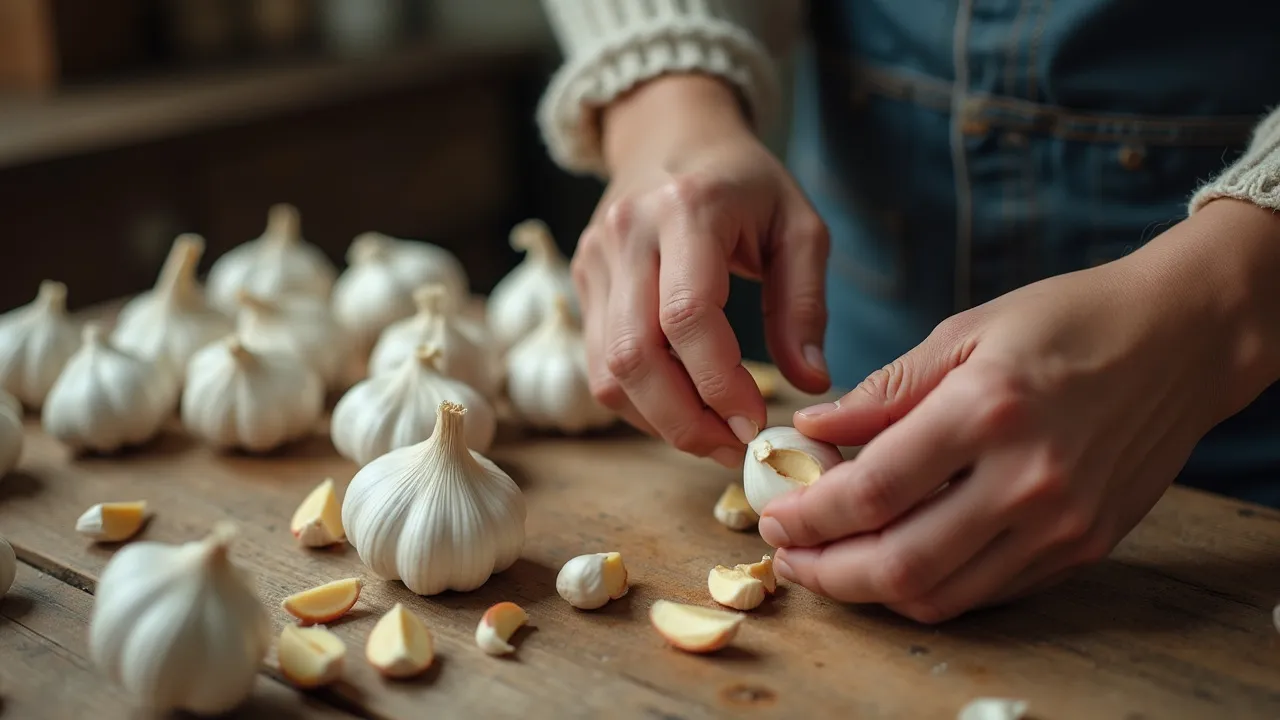
Celebrate National Garlic Day on April 19th by honoring the pungent bulb that has flavored cuisines and cured ailments for millennia. Discover its rich history, global impact, and ways to enjoy this culinary powerhouse.
The Historical Origins & Evolutionary Journey
National Garlic Day, observed annually on April 19th, is a celebration of one of humanity's most ancient and revered ingredients. The day was founded by the Garlic Seed Foundation in the mid-1980s to promote the culinary and medicinal uses of garlic, but the bulb's story stretches back over 5,000 years.
The Foundational Catalyst
Garlic (Allium sativum) originated in Central Asia and has been cultivated since the time of the ancient Egyptians, who used it for both food and ritual. It was fed to the pyramid builders to boost stamina and was placed in tombs for the afterlife. The Greeks and Romans valued garlic for its medicinal properties; Hippocrates prescribed it for respiratory ailments, and Roman soldiers ate it for courage.
The Legislative/Official Adoption
National Garlic Day was officially recognized by the Garlic Seed Foundation in 1986 as a way to educate the public and celebrate garlic's versatility. The date April 19th was chosen to align with the beginning of the planting season in many northern climates. Over time, the day gained traction through festivals, cooking demonstrations, and social media campaigns.
Modern Global Legacy
Today, National Garlic Day transcends borders. It is celebrated in the United States, Canada, the United Kingdom, Australia, and increasingly in countries like India and China, where garlic is a pantry staple. The day promotes not only culinary experimentation but also awareness of garlic's health benefits, including cardiovascular support and antimicrobial properties.
How to Celebrate National Garlic Day
National Garlic Day is the perfect excuse to embrace your inner garlic lover. Here are actionable ways to celebrate, from simple kitchen experiments to community events.
For Individuals at Home
Cook a garlic-centric meal: Try dishes like garlic bread, pasta aglio e olio, or roast a whole bulb of garlic to spread on crusty bread.
DIY garlic oil or infused honey: Combine peeled garlic cloves with quality olive oil or raw honey and let it infuse for a week. Use it in dressings or as a remedy.
Plant garlic: If you have space, plant a few cloves in a pot or garden. Garlic is easy to grow and yields a rewarding harvest.
For Schools and Organizations
Garlic tasting event: Organize a blind taste test of different garlic varieties (e.g., hardneck vs. softneck, Rocambole vs. Purple Stripe).
Educational workshop: Host a session on garlic's history and health benefits, featuring local chefs or nutritionists.
Garlic-themed fundraiser: Sell garlic braids, homemade garlic butter, or garlic salt to raise money for local food banks.
Global Traditions
United States: Many restaurants offer special garlic menus. The Gilroy Garlic Festival in California (held in July) is the world's largest celebration.
France: The Fête de l'Ail in Piolenc celebrates the local garlic crop with parades and markets.
Korea: Garlic is a key ingredient in kimchi, and many families make a batch of kimchi on April 19th as a tribute.
Italy: Garlic-loving regions like Campania host garlic-themed feasts with bruschetta and pasta.
Health Benefits and Medicinal Uses
Garlic has been used as a medicine for centuries. Modern science confirms many of its traditional uses.
Key Compounds
Allicin, the compound responsible for garlic's pungent smell, has powerful antimicrobial and antioxidant effects. To maximize allicin, crush or chop garlic and let it sit for 10 minutes before cooking.
Supported Health Benefits
- Cardiovascular health: Regular consumption may lower blood pressure and cholesterol levels.
- Immune support: Garlic can reduce the severity of colds and flu if taken regularly.
- Anti-cancer properties: Some studies suggest that garlic consumption is linked to reduced risk of stomach and colorectal cancers.
Precautions
While garlic is safe for most people, excessive consumption can cause digestive issues. Those on blood-thinning medication should consult a doctor before taking garlic supplements.
Culinary Traditions Around the World
Garlic is a global culinary cornerstone. Here are some iconic uses:
- Mediterranean: Aioli (garlic and olive oil emulsion), skordalia (Greek garlic dip), and tzatziki.
- Asian: Garlic stir-fries, garlic chili oil, and Korean ssamjang (soybean paste with garlic).
- Latin American: Mojo sauce (garlic, citrus, and herbs) and sofrito base.
- Indian: Garlic chutney, garlic naan, and the essential tadka (tempering) with cumin and garlic.
National Garlic Day encourages people to step out of their comfort zone and try a new garlic dish from a different culture.
Economic and Agricultural Impact
Garlic is a major agricultural commodity. China produces over 80% of the world's supply, followed by India and Bangladesh. The global garlic market is valued at over $20 billion annually. National Garlic Day highlights the importance of sustainable farming practices and supports local garlic growers. Many farmers' markets feature special sales or garlic-themed events on April 19th.
Garlic Festivals and Community Events
While the peak garlic festival season is summer, National Garlic Day often coincides with smaller local events. Notable festivals include:
- Gilroy Garlic Festival (California, July): The largest, with over 100,000 attendees, featuring garlic ice cream, cooking contests, and live music.
- Isle of Wight Garlic Festival (UK): A family-friendly event with garlic beer and cooking demonstrations.
- Fête de l'Ail (France, August): A celebration of the Piolenc garlic, with parades and tastings.
On National Garlic Day, many communities host smaller pop-up events, such as garlic bread contests or pickling workshops.
Historical Timeline
Garlic is cultivated in ancient Egypt, used as food and medicine, and placed in pharaohs' tombs.
Hippocrates prescribes garlic for respiratory ailments, noting its diuretic and expectorant properties.
Louis Pasteur confirms garlic's antibacterial properties, marking the first modern scientific study of garlic.
During World War II, garlic is used as an antiseptic by British and American soldiers to prevent infection in field hospitals.
The first garlic festival in Gilroy, California, is held, which will later become the world's largest.
National Garlic Day is founded by the Garlic Seed Foundation to be observed annually on April 19th.
The Garlic Seed Foundation publishes its first Garlic Seed Foundation newsletter, promoting the day's observance.
Social media adoption of National Garlic Day spikes as viral recipes and health tips spread across platforms.