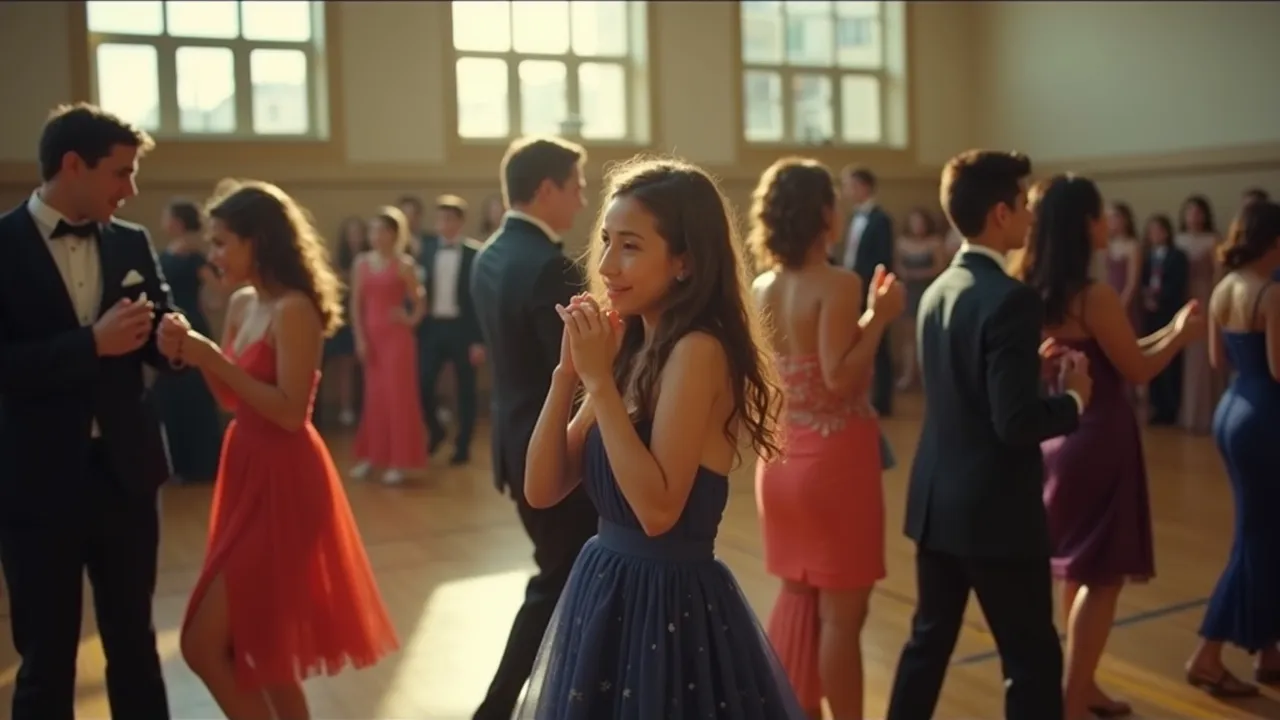
National Prom Day on March 31st celebrates the iconic high school prom tradition. Learn about its history, global variations, and how to make this milestone event unforgettable.
The Historical Origins & Evolutionary Journey
The Foundational Catalyst
High school proms originated in the late 19th century as formal dances for graduating seniors in American colleges. The word "prom" is short for "promenade," a formal procession that opened such events. By the 1930s, proms had spread to high schools across the United States, becoming a rite of passage. The modern concept of National Prom Day was conceived in 2014 by a coalition of prom dress retailers, event planners, and youth culture advocates who saw the need for a dedicated day to celebrate this cherished tradition. The date March 31st was chosen to fall just before the peak prom season (April-June), allowing schools and communities to plan celebrations.
The Official Adoption
Unlike many national days, National Prom Day does not have legislative backing. Instead, it was established through grassroots marketing campaigns and social media promotion. The Prom Industry Coalition launched the first official National Prom Day in 2014 with a series of events including dress drives, dance workshops, and a nationwide social media campaign using the hashtag #NationalPromDay. Major brands like David's Bridal and JCPenney supported the day, offering discounts and promotions. Over the years, it gained traction among high schools, student councils, and prom committees, who began organizing special activities on or around March 31st.
Modern Global Legacy
Today, National Prom Day is recognized in various forms across the globe. While the United States remains the primary celebrant, countries such as Canada, the United Kingdom, Australia, and South Korea have adopted the day, adapting it to their own prom customs. The day now serves as a platform for promoting inclusivity, such as gender-neutral dress codes and accessibility for students with disabilities. It also highlights the economic and cultural significance of prom, which generates billions of dollars annually in dresses, suits, limousines, and decorations. National Prom Day continues to evolve, with recent trends focusing on sustainability, DIY decorations, and mental health awareness.
How to Celebrate National Prom Day
For Individuals
- Dress Up: Wear your prom attire or a formal outfit to school or work to get into the spirit.
- Share Memories: Post your favorite prom photos on social media with #NationalPromDay.
- Plan a Mini Prom: Host a small dance party with friends, complete with music, snacks, and decorations.
- Volunteer: Donate gently used prom dresses or suits to charities that provide them for underprivileged students.
For Schools
- Prom Spirit Week: Organize themed days leading up to March 31st, such as "Formal Friday" or "Dance Decade Day."
- Workshops: Offer sessions on dance basics, etiquette, and DIY corsage-making.
- Inclusivity Events: Host a gender-neutral fashion show or feature diverse representations of prom royalty.
- Prom Pledge: Encourage students to sign a pledge promoting respect, consent, and safe celebrations.
For Organizations
Businesses can participate by offering promotions on prom-related products, sponsoring school events, or hosting community-wide prom nights. Charitable organizations often use National Prom Day to launch dress drives or fundraisers for prom access programs.
The Cultural Significance of Prom
Prom is more than just a dance; it is a cultural milestone that marks the transition from adolescence to young adulthood. For many, it represents a night of celebration, friendship, and firsts—first dates, first formal wear, and often first experiences with romance. National Prom Day amplifies these meanings by providing a focused moment to reflect on the prom experience.
Social Dynamics
Proms have historically reinforced social hierarchies through titles like "Prom King" and "Prom Queen." In recent years, there has been a push toward more inclusive practices, such as no gender-specific titles or allowing students to choose their own royalty. National Prom Day promotes these progressive changes, encouraging schools to adopt equitable traditions.
Media Influence
Movies like Carrie (1976), Pretty in Pink (1986), and High School Musical (2006) have shaped public perception of prom, often dramatizing the event. National Prom Day leverages this cultural cachet to engage young people and celebrate the real-life significance of prom.
Economic Impact of Prom Season
The prom industry is a multi-billion dollar market in the United States alone. According to industry reports, American families spend an average of $1,000–$2,000 per student on prom-related expenses, including attire, tickets, transportation, hair, makeup, and after-parties. National Prom Day, falling on March 31st, serves as a catalyst for the season's spending.
- Attire: Dresses and suits account for the largest portion of spending. National Prom Day often kicks off sales and promotions from major retailers.
- Transportation: Limousines, party buses, and classic cars are booked months in advance, with prices surging around prom season.
- Services: Hair salons, nail studios, and makeup artists see increased demand, with many offering special packages for National Prom Day.
The day also stimulates local economies, from florists selling corsages to restaurants hosting pre-prom dinners. Small businesses benefit from the festive atmosphere, and charities use the day to collect donations of formal wear.
Global Variations and Adaptations
While National Prom Day is largely an American observance, its spirit has spread worldwide. Different cultures have adapted prom traditions to their own contexts:
United Kingdom
In the UK, proms are often called "school formal" or "leavers' ball." They typically take place after final exams. National Prom Day is observed with themed parties and charity events, but the date may vary by region.
South Korea
South Korean proms emphasize group harmony. Students often attend in matching outfits or coordinated colors. National Prom Day there focuses on community service, such as volunteering at orphanages.
Australia
In Australia, proms are known as "formal" and are held in the spring (October–November). The March 31st date is less observed, but some international schools celebrate with a picnic or outdoor dance.
Despite these variations, the core themes of celebration and transition remain universal, and National Prom Day continues to evolve as a global event.
The Future of Prom Traditions
As society changes, so does prom. National Prom Day provides a platform to discuss emerging trends:
- Sustainability: There is a growing movement toward sustainable prom, including renting dresses, upcycling, and using eco-friendly decorations.
- Inclusivity: Schools are adopting gender-neutral dress codes and allowing students to bring any date they choose. Some have moved away from prom royalty titles entirely.
- Virtual Elements: Following the COVID-19 pandemic, virtual proms became common. National Prom Day now often includes online events for students who cannot attend physical gatherings.
- Mental Health: The pressure surrounding prom can cause anxiety. Workshops on stress management and positive body image are increasingly part of National Prom Day activities.
The day itself may see expanded recognition, with legislative efforts in some states to officially designate March 31st as National Prom Day. The future promises a more inclusive, sustainable, and health-conscious celebration of this beloved tradition.
Historical Timeline
Early proms begin at American colleges as formal debutante-style dances for graduating seniors.
Proms spread to high schools across the United States, becoming a staple of the American teenage experience.
The golden age of prom culture; proms become highly commercialized with elaborate decorations, dresses, and limousines.
The Prom Industry Coalition establishes National Prom Day on March 31st, launching with a nationwide social media campaign and retailer partnerships.
National Prom Day gains official recognition from several state governors through proclamations, though not federal.
Due to the COVID-19 pandemic, many proms are canceled or moved online; National Prom Day goes virtual with live-streamed dance events.
A record number of schools participate in National Prom Day, with a focus on inclusivity and sustainability. Over 10,000 prom dresses donated through charity drives.