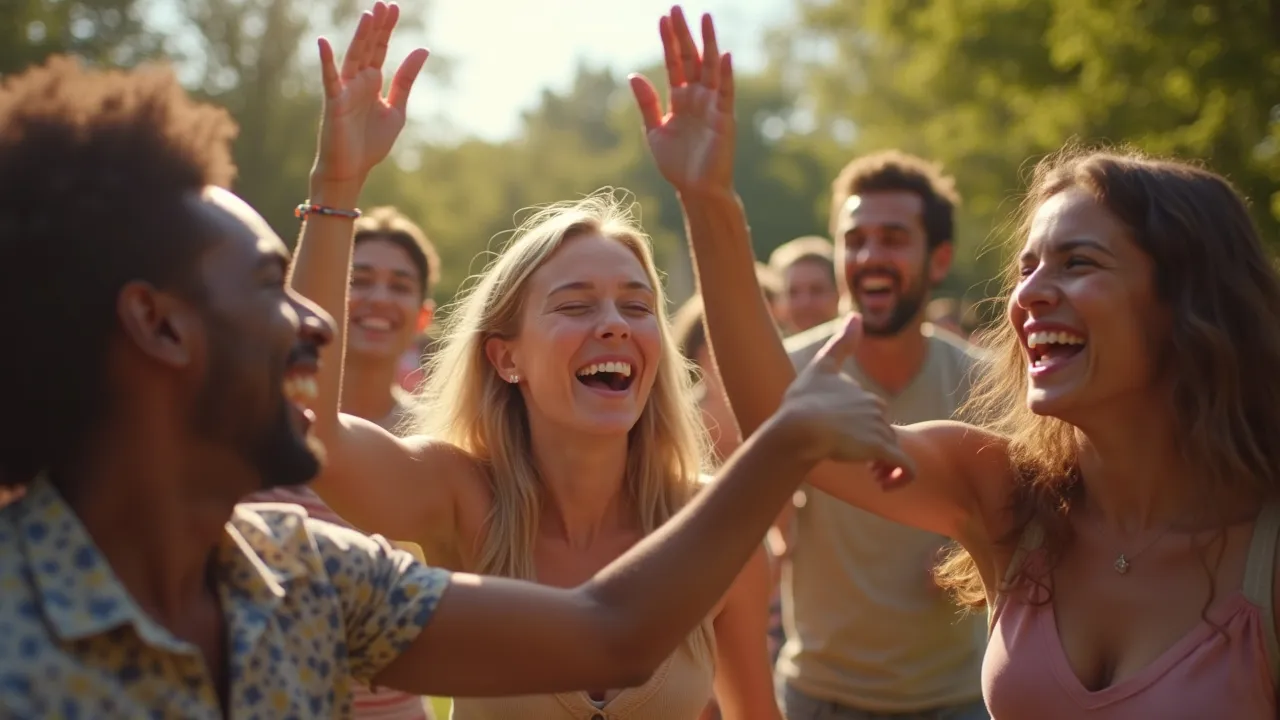
International Day of Awesomeness, celebrated on March 10th, is a global observance encouraging people to embrace their inner awesome and spread positivity. Founded by Kevin Lawver in 2007, it inspires acts of kindness and self-appreciation.
The Historical Origins & Evolutionary Journey
The International Day of Awesomeness is a relatively modern observance, born from the digital age and the power of social media. Its story begins in 2007, when a simple idea sparked a global movement.
The Foundational Catalyst
In 2007, Kevin Lawver, a web developer and writer, created a Facebook group titled "International Day of Awesomeness" with the simple goal of designating a day for people to celebrate their own awesomeness and that of others. The group quickly gained traction, resonating with individuals seeking a positive and uplifting counterpoint to the often cynical online world. Lawver chose March 10th arbitrarily, aiming for a date that was not already widely recognized, to give the day its own identity.
The Legislative/Official Adoption
While the International Day of Awesomeness has not been formally recognized by any government or international body, its unofficial adoption by millions around the world has given it a legitimacy that official proclamations cannot match. The day spread organically through social media shares, blog posts, and word of mouth. By 2008, the first unofficial celebrations took place, with individuals and small groups committing random acts of kindness, sharing compliments, and embracing their unique talents.
Modern Global Legacy
Today, International Day of Awesomeness is celebrated on every continent. It has evolved beyond a simple Facebook group into a cultural phenomenon. Schools use it to boost student morale, companies incorporate it into team-building activities, and individuals mark the day by stepping out of their comfort zones. The day's legacy is one of empowerment: it reminds people that awesomeness is not about perfection but about authenticity, kindness, and the courage to be oneself.
How to Celebrate International Day of Awesomeness
Celebrating International Day of Awesomeness is all about recognizing and amplifying the awesome in yourself and others. Here is a definitive guide to making the most of March 10th, with activities for individuals, groups, and organizations.
Individual Celebrations
- Start a Gratitude Journal: Write down three things that make you awesome. Focus on your strengths and accomplishments.
- Perform Random Acts of Kindness: Pay for a stranger's coffee, leave a positive note on a coworker's desk, or offer to help someone without being asked.
- Embrace a New Challenge: Sign up for a class, learn a new skill, or tackle a project you've been putting off. Step outside your comfort zone.
- Practice Self-Appreciation: Look in the mirror and say three positive affirmations out loud. Celebrate your unique qualities.
School and Workplace Activities
- Awesome Awards Ceremony: Organize a simple ceremony where peers nominate each other for categories like "Most Helpful" or "Creative Genius."
- Compliment Wall: Set up a bulletin board where everyone can post anonymous compliments for colleagues or classmates.
- Team-Building Workshops: Host a workshop focused on identifying and leveraging individual strengths within a group.
- Charity Drives: Encourage donations to a local charity, turning collective awesomeness into community impact.
Global Traditions
While the day is celebrated globally, traditions vary by region. In the United States, social media campaigns with hashtags like #DayOfAwesomeness are popular. In Japan, some schools incorporate the day into lessons on self-esteem. In Australia, community events often involve outdoor activities that celebrate local culture and achievements. The unifying thread is the emphasis on positivity and mutual upliftment.
Global Impact of the Day
Despite its grassroots origins, the International Day of Awesomeness has had a measurable impact on global culture. It serves as a catalyst for conversations around mental health, self-worth, and community support.
Social Media Reach
On March 10th, millions of posts across platforms like Twitter, Instagram, and TikTok feature stories of personal triumph, acts of kindness, and celebratory content. The hashtag #InternationalDayOfAwesomeness trends annually, creating a wave of positive digital interaction.
Influence on Mental Health Awareness
The day's focus on self-appreciation aligns with practices recommended by mental health professionals. By encouraging individuals to recognize their own awesomeness, the observance helps combat negative self-talk and imposter syndrome. Many therapists and coaches use the day as a prompt for clients to practice self-compassion.
Corporate Engagement
Forward-thinking companies have adopted the day as part of their employee wellness programs. Some offer half-days, sponsor team outings, or launch internal campaigns that highlight employee achievements. This not only boosts morale but also fosters a culture of recognition and gratitude.
Core Themes of Positivity and Self-Confidence
Underlying the celebrations are two core themes: positivity and self-confidence. These themes are intertwined and essential to the observance's philosophy.
The Power of Positivity
The International Day of Awesomeness is a deliberate antidote to negativity. In a world where news cycles often highlight conflict and strife, this day provides a structured opportunity to focus on the good. Research in positive psychology shows that such focus can improve overall well-being and even physical health. By deliberately celebrating awesomeness, participants rewire their brains to notice and appreciate positive aspects of life.
Building Self-Confidence
Self-confidence is not innate; it is built through actions and recognition. The day encourages people to step into their power by acknowledging their own abilities and contributions. Activities like public speaking, sharing accomplishments, or leading a group activity on this day can significantly boost confidence. Moreover, receiving recognition from others reinforces a positive self-image.
Corporate and Social Media Engagement
Businesses and influencers have leveraged the International Day of Awesomeness to connect with audiences in meaningful ways.
Social Media Campaigns
Brands launch campaigns that encourage user-generated content, such as sharing stories of awesomeness with a branded hashtag. This not only increases engagement but also aligns the brand with positivity. Examples include "Awesome Customer Stories" or "Employee Spotlights."
Partnerships with Non-Profits
Some companies partner with non-profits to amplify the day's impact. For instance, a portion of sales on March 10th might go to mental health charities. Such partnerships enhance brand reputation and contribute to social good.
Internal Celebrations
Within organizations, the day is used to break routine. Creative departments often lead initiatives that allow employees to showcase hidden talents, from music performances to art displays. This humanizes the workplace and strengthens team bonds.
The Psychology of Awesomeness
The concept of "awesomeness" may seem lighthearted, but it has deep roots in psychological theory.
Self-Determination Theory
According to Self-Determination Theory, humans thrive when they experience autonomy, competence, and relatedness. Celebrating awesomeness directly taps into competence by recognizing achievements. It also fosters relatedness through shared positive experiences.
Flow State
Activities that make people feel awesome often induce a flow state – a state of complete immersion and enjoyment. The day encourages people to engage in hobbies or tasks that bring them into flow, which is associated with increased happiness and productivity.
Positive Reinforcement
The day's structure of giving and receiving compliments serves as a form of positive reinforcement. This strengthens desired behaviors and encourages a cycle of kindness and recognition. Over time, this can shift workplace and social cultures toward greater appreciation.
Historical Timeline
Kevin Lawver creates the Facebook group 'International Day of Awesomeness,' proposing March 10th as the celebration date.
First unofficial celebrations occur as individuals and small groups adopt the day, sharing acts of kindness and self-appreciation online.
The day gains traction through blogs and social media, with the hashtag #DayOfAwesomeness trending for the first time.
Schools and corporations begin formally incorporating the day into their calendars, organizing events and activities.
Amid the COVID-19 pandemic, virtual celebrations surge, with online workshops and video messages spreading positivity globally.
The International Day of Awesomeness is recognized by several local governments and featured in major media outlets, solidifying its place as a global observance.