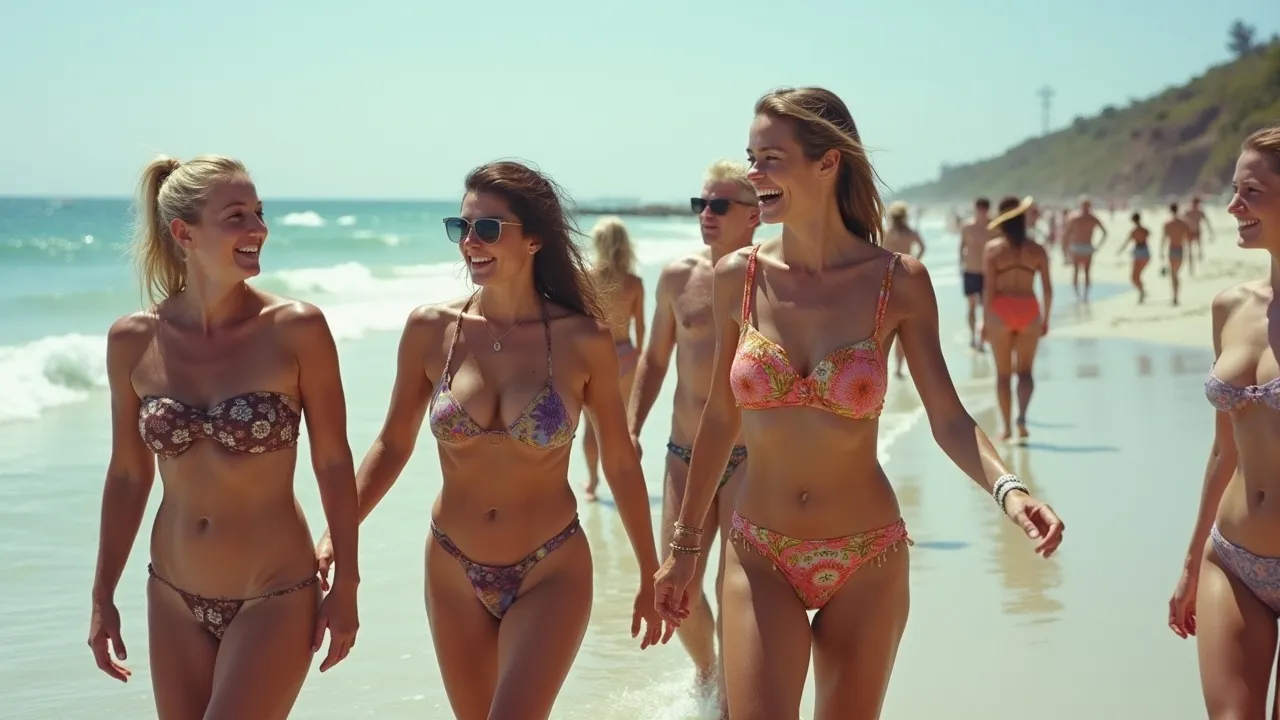
National Nude Day, observed annually on July 14th, celebrates body freedom and naturist culture. It encourages people to embrace their natural state, promote body positivity, and explore clothing-optional lifestyles with confidence.
The Historical Origins & Evolutionary Journey
National Nude Day is not merely a novelty; it is a product of the long-standing cultural movement known as naturism or nudism, which advocates for social nudity in private and public settings. The day was formally established by the American Association for Nude Recreation (AANR) in 1980 to promote the acceptance and enjoyment of nudity in appropriate settings. However, its roots trace back to the early 20th century when nudist clubs and resorts began to flourish in Europe and North America.
The Foundational Catalyst
The modern naturist movement emerged in Germany during the early 1900s with the Freikörperkultur (Free Body Culture), which emphasized health, freedom, and a connection to nature. This philosophy spread to other parts of Europe and eventually to the United States. The first official nudist club in the US, the American League for Physical Culture, was established in the 1930s. By the 1970s, the concept of a national day to celebrate nude recreation gained traction, culminating in the creation of National Nude Day.
The Legislative and Official Adoption
In 1980, the AANR formally designated July 14th as National Nude Day, choosing the height of summer to encourage outdoor activities. The date was intentionally placed to coincide with the peak of the vacation season, making it easier for individuals and families to visit clothing-optional resorts and beaches. Over the decades, the day received unofficial recognition from various municipalities and naturist organizations worldwide, although it remains a non-federal, non-official observance in the US.
Modern Global Legacy
Today, National Nude Day is celebrated by millions of naturists and curious individuals across the globe. It serves as both a celebratory occasion and an educational opportunity to dispel myths about nudity. The event has evolved to include themed gatherings, online campaigns, and partnerships with body positivity movements. While some still view it as a fringe celebration, its impact on normalizing non-sexual social nudity is undeniable.
How to Celebrate National Nude Day
Whether you are a seasoned naturist or a first-timer, National Nude Day offers many ways to participate. The key is to focus on comfort, respect, and safety. Below are actionable strategies for individuals, groups, and organizations.
For Individuals and Families
- Visit a clothing-optional beach or resort: Research local naturist-friendly locations. Many offer day passes and special events for the occasion.
- Host a private nude gathering: With trusted friends or family, organize a pool party or backyard barbecue in a secure, private setting.
- Practice nude at home: Spend the day clothes-free indoors or in your own yard, embracing the feeling of freedom.
For Schools and Educational Groups
- Body positivity workshops: Discuss the history of naturism and its connection to self-acceptance.
- Art classes: Life drawing sessions that emphasize respect for the human form.
- Guest speakers: Invite representatives from naturist organizations to talk about etiquette and safety.
For Organizations and Communities
Resorts and clubs often host special events such as volleyball tournaments, yoga sessions, and bonfires. Social media campaigns using #NationalNudeDay can spread awareness. Always follow local laws and respect private property.
The Philosophy of Naturism
Naturism is more than simply being naked; it is a lifestyle that promotes harmony with nature, respect for oneself and others, and a rejection of body shame. Proponents argue that clothes can create social hierarchies and insecurities, and that nudity fosters equality. The International Naturist Federation (INF) defines naturism as "a way of life in harmony with nature, characterized by social nudity, with the intention of encouraging self-respect, respect for others, and for the environment."
Core Principles
- Respect: Nudity is non-sexual; public nudity in naturist settings is about comfort, not exhibitionism.
- Equality: Without clothes, social status becomes less visible, promoting acceptance.
- Health: Sunlight and fresh air on the skin are believed to have vitamin D and mental health benefits.
Health Benefits of Nude Recreation
Spending time clothes-free can offer several physical and psychological advantages. Vitamin D synthesis is enhanced when larger skin areas are exposed to sunlight (in moderation). The feeling of freedom can reduce stress and increase body confidence. Many naturists report improved sleep and a positive body image. However, it is essential to take sun safety precautions: use sunscreen, avoid peak UV hours, and stay hydrated.
Psychological Impact
In a culture often obsessed with perfection, shedding clothes can be liberating. Studies show that regular social nudity lowers anxiety and increases self-esteem. The nudist environment often minimizes judgment based on physical appearance, fostering a healthier mental state.
Legal Landscape Worldwide
The legality of public nudity varies dramatically across the globe. Nordic countries like Finland and Sweden generally have liberal attitudes, with many sauna and beach traditions involving nudity. France and Spain have numerous official nude beaches. In the United States, nudity laws are state-specific; while some states have designated clothing-optional areas, others strictly prohibit public indecency. United Kingdom law does not specifically outlaw nudity, but it can be considered indecent if it causes distress. In many Asian and Middle Eastern countries, public nudity is illegal and culturally taboo. Naturist travelers should always research local customs and laws.
Social Impact and Body Positivity
National Nude Day has become intertwined with the broader body positivity movement. By promoting acceptance of all bodies regardless of age, shape, size, or ability, the day challenges unrealistic beauty standards. Social media campaigns highlight diverse individuals confidently posing without clothes, normalizing a wide range of appearances. This visibility helps reduce body shame and encourages people to unlearn negative self-talk. The day also supports the right to choose—whether to wear clothes or not—as a personal freedom.
Notable Nude Beaches and Resorts
Around the world, there are iconic destinations for celebrating National Nude Day. Cap d'Agde in France is one of the largest naturist resorts, attracting thousands. Blacks Beach in San Diego, California, is a popular clothing-optional beach with stunning views. In the UK, Studland Bay in Dorset offers official nude bathing. For a more secluded experience, Little Beach in Maui, Hawaii, is a famous nude beach. These locations often hold special events on July 14th, from beach clean-ups to group yoga sessions.
Historical Timeline
First official nudist club, Freikörperkultur, founded in Germany, sparking the modern naturist movement.
American League for Physical Culture, the first US nudist club, established in New York.
American Association for Nude Recreation designates July 14th as National Nude Day.
First National Nude Day event at a major resort, promoting family-friendly naturism.
Social media campaigns using #NationalNudeDay go viral, increasing public awareness.
Virtual celebrations due to COVID-19; online body positivity events gain momentum.