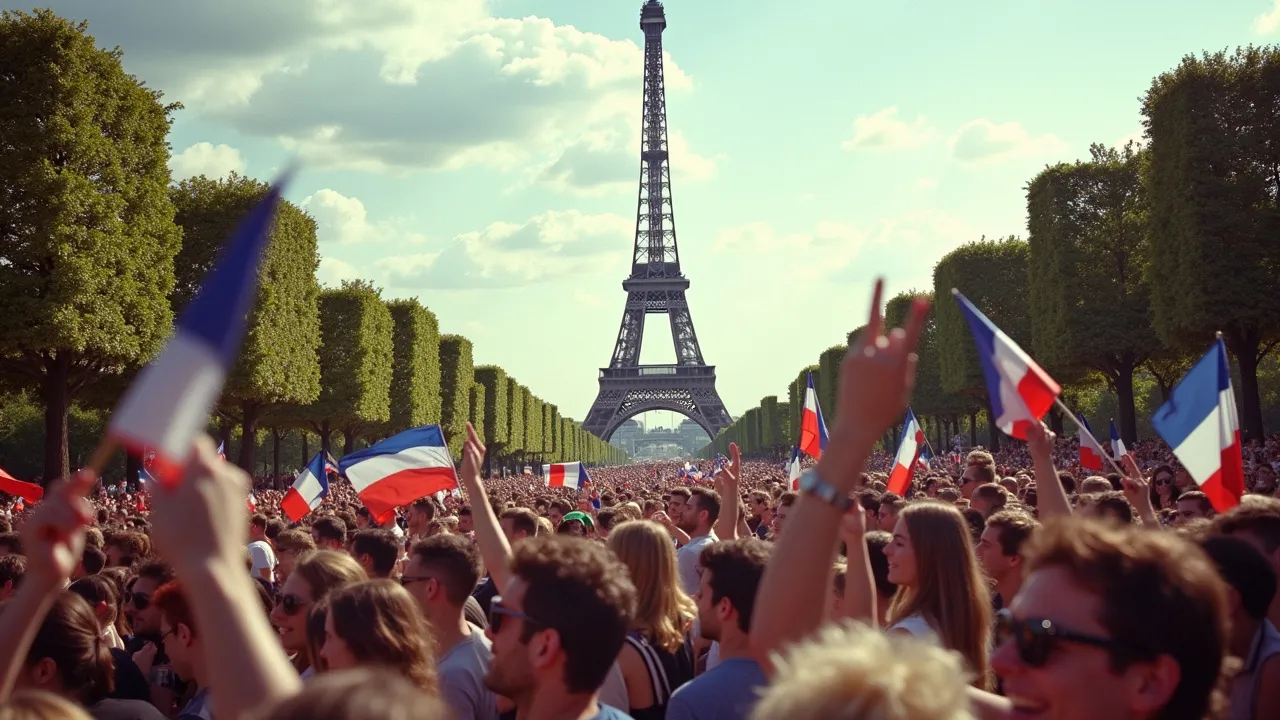
Bastille Day, observed on July 14th, is France's national day commemorating the Storming of the Bastille in 1789. It features grand military parades, fireworks, and celebrations of French liberty and unity.
The Historical Origins & Evolutionary Journey
Bastille Day, known in France as Fête Nationale Française, commemorates the Storming of the Bastille on July 14, 1789, a pivotal event in the French Revolution. This day symbolizes the end of absolute monarchy and the birth of the sovereign nation. The Bastille, a medieval fortress and prison in Paris, represented royal tyranny. Its fall ignited a wave of revolutionary fervor across France and inspired movements for democracy worldwide.
The Foundational Catalyst
In the summer of 1789, economic hardship, social inequality, and political crises gripped France. King Louis XVI's dismissal of popular minister Jacques Necker provoked public outrage. On July 12, crowds clashed with royal troops. By July 14, armed Parisians stormed the Invalides to seize weapons, then marched to the Bastille. After hours of fighting, the fortress surrendered. Though only seven prisoners were freed, the event became a powerful symbol of popular victory over oppression.
The Legislative/Official Adoption
The first official celebration of Bastille Day took place on July 14, 1790, known as the Fête de la Fédération, a grand festival of national unity held on the Champ de Mars. However, the day was not consistently celebrated during the turbulent revolutionary years. In 1880, the French Third Republic officially established July 14 as a national holiday, blending the revolutionary legacy with republican values of liberty, equality, and fraternity. The date was chosen to honor both the Storming of the Bastille and the Fête de la Fédération.
Modern Global Legacy
Today, Bastille Day is celebrated not only in France but also in French overseas territories and by Francophile communities worldwide. It features military parades, fireworks, concerts, and communal meals. The day reinforces French national identity and promotes universal ideals of human rights. It has also become a global symbol of revolutionary spirit and the struggle for freedom.
How to Celebrate Bastille Day
Bastille Day offers a wealth of traditions and activities for participants in France and around the world. Whether you are in Paris or celebrating abroad, here are key ways to observe the day.
Attending the Military Parade
The highlight of Bastille Day is the military parade on the Champs-Élysées in Paris. Spectators line the avenue to watch troops, tanks, and aircraft. Arrive early for a good spot, or watch the broadcast live.
Enjoying Fireworks and Concerts
In the evening, cities across France host spectacular fireworks displays, often near landmarks like the Eiffel Tower. Public concerts and dances (bals populaires) take place in town squares. For a local experience, join a neighborhood street party with music and dancing.
Organizing a French-Themed Gathering
- Decorate with red, white, and blue bunting and flags.
- Serve classic French dishes such as baguettes, cheese, and crème brûlée.
- Play traditional French music or host a pétanque tournament.
- Toast with champagne or a Kir Royale at midnight.
Educational Activities for Schools and Families
- Discuss the French Revolution and the ideals of liberty, equality, fraternity.
- Read historical accounts or watch documentaries together.
- Create art projects featuring French symbols like the Tricolor and Marianne.
Globally, Bastille Day is celebrated with variations. In the United States, French-American communities hold festivals, while in French Polynesia, it includes traditional dance performances. Embrace the spirit of revolution and unity however you choose to participate.
Significance and Symbolism of Bastille Day
Bastille Day holds profound symbolic meaning for France and the world. It marks the triumph of the common people over tyranny and the birth of modern democracy. The day is infused with the republican motto: Liberté, Égalité, Fraternité.
The Bastille as a Symbol
The Bastille was more than a prison; it was a symbol of the oppressive ancien régime. Its fall represented the destruction of arbitrary authority and the dawn of popular sovereignty. Even today, the site is commemorated with the Place de la Bastille, a major square and rallying point for political protests and celebrations.
The Tricolor Flag and National Unity
The French flag—blue, white, and red—features prominently in celebrations. Each color has historical significance: blue and red represent Paris, while white represents the monarchy. The flag unites all French people and appears in decorations, clothing, and parades.
Marianne: The Embodiment of the Republic
Marianne, a female allegory of liberty and reason, often appears in Bastille Day iconography. Her image is a fixture in town halls and official celebrations, reinforcing the secular and democratic values of the Republic.
The day's solemn military parade also underscores national defense and the role of the armed forces in protecting republican ideals. It is a reminder that freedom requires vigilance and collective responsibility.
Traditions and Customs Across France
Bastille Day traditions vary by region but share common elements of festivity and patriotism. Below are some of the most cherished customs observed throughout France.
Firemen's Balls (Bals des Pompiers)
On the evening of July 13, many fire stations host public dances. These bals des pompiers are lively events with music, refreshments, and a chance to meet local firefighters. They are a beloved tradition that combines community spirit with gratitude for first responders.
Local Fairs and Feasts
Towns and villages organize fairs with carnival rides, games, and food stalls. Traditional dishes such as saucisson, cheeses, and wine are enjoyed. In rural areas, communal feasts (repas de quartier) bring neighbors together.
Patriotic Ceremonies
Official ceremonies include wreath-laying at war memorials, speeches by mayors, and the singing of the national anthem, La Marseillaise. Military units participate in local parades, especially in garrison towns.
Regional Specialties
- In Nice, the celebration features a flower parade (bataille de fleurs).
- In Brittany, fireworks light up the coastline.
- In Lyon, a grand sound and light show illuminates the Fourvière basilica.
These traditions reinforce local identity while uniting France in a shared celebration of national pride.
Global Impact and International Celebrations
Bastille Day resonates far beyond France's borders. It is celebrated by French expatriates, diplomats, and allies, highlighting the global influence of French culture and revolutionary ideals.
French Embassies and Consulates
French diplomatic missions worldwide host receptions and events for local dignitaries and the French community. These gatherings often feature gourmet cuisine, cultural performances, and a toast to Franco cultural ties.
Festivals in Major Cities
- New York City holds a Bastille Day street fair on 60th Street with French food, music, and a waiter race.
- London celebrates with a French market and fireworks along the Thames.
- Tokyo organizes a parade and French bazaar in the Minato district.
Symbol of Revolutionary Movements
Bastille Day has inspired other nations. For example, the storming of the Bastille is echoed in the fall of the Berlin Wall and other revolutionary acts. It remains a potent symbol of popular uprising against oppression, referenced in literature, film, and political discourse.
The day also promotes Francophone culture, language, and values internationally. It is an opportunity for non-French people to engage with French history, art, and cuisine.
Modern Observances and Contemporary Relevance
In the 21st century, Bastille Day continues to evolve, reflecting modern France's values and challenges. It remains a public holiday with deep emotional resonance.
Security and National Unity
In recent years, the military parade has emphasized security and counterterrorism, especially after the 2016 Nice attack. The day serves as a display of national resilience and solidarity. Ceremonies honor victims of terrorism and celebrate the courage of emergency services.
Environmental and Social Themes
Some contemporary celebrations incorporate themes of sustainability and social justice. Eco-friendly fireworks, plastic-free events, and emphasis on inclusion are emerging trends. The day also provides a platform for discussing ongoing struggles for equality and human rights.
Digital and Virtual Participation
With global connectivity, many people celebrate online. Social media hashtags like #BastilleDay share photos and messages of unity. Virtual tours of the Place de la Bastille and live streams of the fireworks allow worldwide participation.
Bastille Day remains a living tradition—a moment for the French to reflect on their heritage and for the world to celebrate the enduring quest for freedom.
Historical Timeline
July 14: Storming of the Bastille. Parisian revolutionaries capture the fortress, a symbol of royal authority, sparking the French Revolution.
July 14: First Fête de la Fédération held on the Champ de Mars in Paris, celebrating national unity and the Revolution's first anniversary.
July 14 officially declared a national holiday by the French Third Republic, combining the storming of the Bastille and the Fête de la Fédération.
Grand victory parade on the Champs-Élysées to celebrate the end of World War I, establishing the modern tradition of the military parade.
Bastille Day celebrations mark the liberation of France from Nazi occupation, with parades and festivities across the country.
First official Bastille Day celebration in French Polynesia, incorporating traditional Tahitian dances into the festivities.
Bicentennial of the French Revolution. Grand celebrations in Paris with world leaders, a parade, and a spectacular fireworks show at the Eiffel Tower.
Terrorist attack in Nice during Bastille Day fireworks kills 86 people. The tragedy leads to heightened security at subsequent celebrations and a focus on national resilience.
COVID-19 pandemic forces cancellation of many public events, but a scaled-back military parade proceeds with social distancing measures.
Bastille Day celebrates with renewed vigor, emphasizing environmental sustainability and inclusion of overseas territories in the festivities.