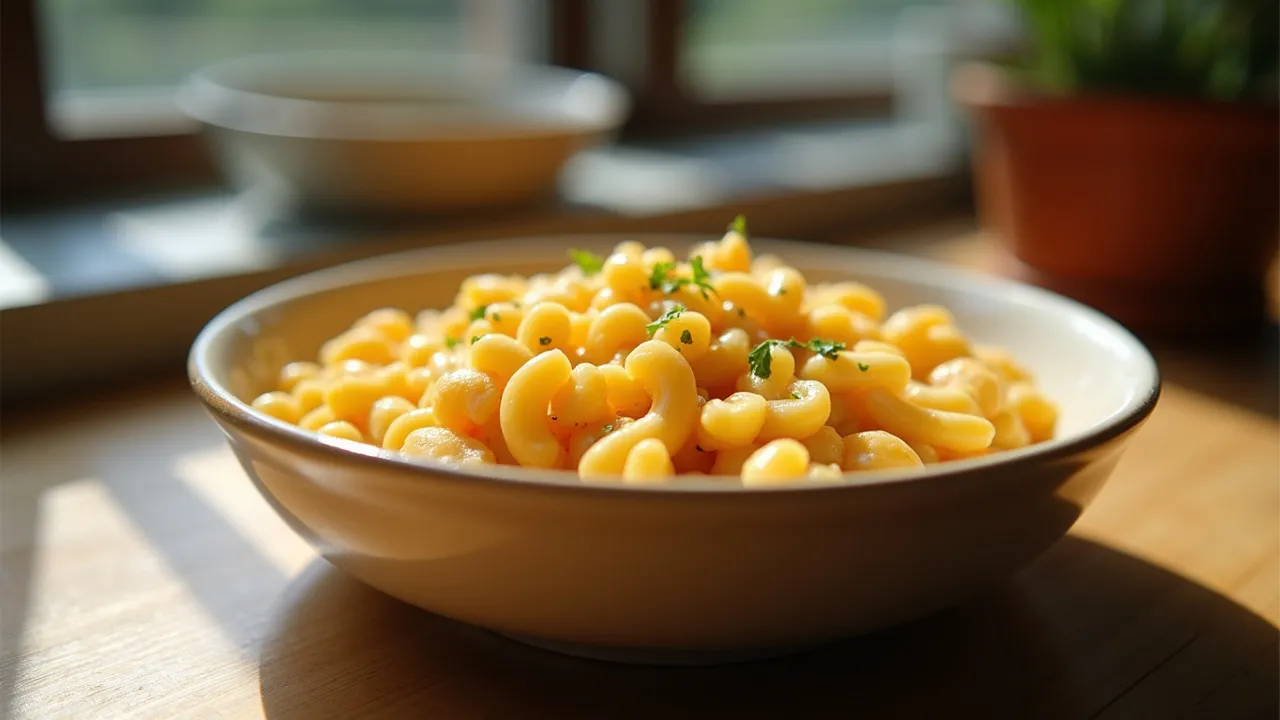
Celebrate the ultimate comfort food on July 14th! Discover the rich history, global variations, and best ways to enjoy National Mac and Cheese Day.
The Historical Origins & Evolutionary Journey
National Mac and Cheese Day, observed annually on July 14th, is a tribute to one of the world's most beloved comfort foods. But the story of macaroni and cheese stretches back centuries, blending culinary innovation, cultural adaptation, and modern marketing.
The Foundational Catalyst
The earliest known recipe for macaroni and cheese appears in the 13th-century Italian cookbook Liber de Coquina, which describes a dish of pasta baked with cheese. However, the dish as we know it today gained prominence in the United States thanks to Thomas Jefferson. After a trip to Europe, Jefferson returned with a pasta machine and impressed guests with a "macaroni pie" at a state dinner in 1802. His enslaved chef, James Hemings, is often credited with perfecting the recipe.
Throughout the 19th century, macaroni and cheese became a staple of American home cooking, particularly in the South. Cookbook author Mrs. Beecher's 1846 recipe for "Macaroni and Cheese" helped standardize the dish. The invention of processed cheese by James L. Kraft in 1916 revolutionized the dish, making it more accessible and shelf-stable.
The Legislative/Official Adoption
The drive to establish an official National Mac and Cheese Day was spearheaded by the Dairy Farmers of Wisconsin—a nod to the state's reputation as America's dairyland. In 2013, they petitioned the National Day Calendar, and July 14th was chosen to coincide with the peak of summer, when fresh dairy products are abundant. The date also aligns with the release of limited-edition mac and cheese products in stores.
Despite lacking formal congressional recognition, National Mac and Cheese Day has been widely embraced by food brands, restaurants, and social media. Companies like Kraft Heinz and Velveeta launch special promotions, while home cooks share their best recipes online.
Modern Global Legacy
Today, mac and cheese is a global phenomenon. In Canada, it's colloquially known as "Kraft Dinner" and is a national comfort food. In the UK, "macaroni cheese" is a classic pub dish. Variations include adding lobster, truffle oil, or breadcrumbs. The day serves as a reminder of the dish's versatility and universal appeal, transcending cultures and generations.
How to Celebrate National Mac and Cheese Day
Celebrating National Mac and Cheese Day on July 14th is all about indulging in cheesy, creamy goodness. Whether you prefer a classic recipe or a gourmet twist, there are countless ways to honor this comfort food staple. Here's your ultimate guide to celebrating.
For Individuals and Families
- Cook from Scratch: Make a traditional baked mac and cheese using a roux-based cheese sauce with sharp cheddar and Gruyère. Top with buttered breadcrumbs for crunch.
- Try a New Recipe: Experiment with international flavors like Mexican street corn mac, Buffalo chicken mac, or French-inspired truffle mac.
- Host a Mac and Cheese Tasting: Invite friends over to sample different versions—boxed, baked, stovetop, and gourmet. Vote on the best.
- Pair with Sides: Serve your mac with grilled meats, vegetables, or a crisp salad to balance richness.
For Schools and Organizations
- Organize a mac and cheese cook-off among staff or students. Award prizes for creativity and taste.
- Host a fundraising dinner where a portion of proceeds goes to a local food bank, featuring mac and cheese as the main dish.
- Educate participants on the history and nutritional aspects of cheese and pasta through interactive workshops.
Corporate and Social Media Rituals
Businesses can join the celebration by offering specials: restaurants create limited-time mac and cheese dishes, while grocery stores run themed promotions. On social media, use hashtags like #NationalMacAndCheeseDay and #MacAndCheese. Share photos, videos, and trivia. Some companies even host virtual cooking classes.
No matter how you celebrate, the goal is to enjoy this versatile dish and share its joy with others.
Global Variations of Mac and Cheese
Mac and cheese has traveled the world, adapting to local palates and ingredients. Here are some standout global variations that showcase its versatility.
United States
The American version is typically rich with cheddar, butter, and milk. Regional twists include:
- Southern-style: Baked with extra cheese, butter, and sometimes a sprinkle of paprika.
- New England lobster mac: Topped with chunks of lobster and a buttery cracker crust.
- Tex-Mex mac: Mixed with chili, jalapeños, and pepper jack cheese.
Canada
In Canada, mac and cheese is synonymous with Kraft Dinner (KD). It's often prepared with milk and margarine, and sometimes enhanced with hot dogs, ketchup, or canned tuna. KD is a cultural icon, especially among college students.
United Kingdom
British "macaroni cheese" is typically made with a white sauce (béchamel) and strong cheddar or Red Leicester. It's often baked with a golden breadcrumb top and served as a main course with a side salad.
Australia and New Zealand
Down under, mac and cheese is a popular comfort food, often baked with a cheese sauce and topped with crispy bacon or vegetables. Some versions use sweet potato or cauliflower for a healthier twist.
France
In France, gratin de macaroni features bechamel sauce, Gruyère or Comté, and a gratinée top. It's often served as a side to roast meats or as a main with a green salad.
Asia
Asian interpretations include Japanese mac and cheese with miso and panko, Korean kimchi mac, and Indian-inspired versions with cumin, coriander, and paneer. These fusion dishes highlight mac and cheese's adaptability.
The Cultural Impact of Mac and Cheese
Mac and cheese is more than a meal; it's a cultural touchstone. From childhood nostalgia to high-end cuisine, its presence spans socioeconomic boundaries.
Comfort Food Icon
Mac and cheese is the quintessential comfort food, evoking memories of school lunches, family dinners, and cozy nights. Its creamy, cheesy goodness triggers the brain's reward centers, providing emotional solace.
Social Class Bridging
Interestingly, mac and cheese is enjoyed across all social classes. The boxed version is an affordable staple for low-income families, while restaurants serve gourmet versions with truffles and lobster for high-end diners. This duality makes it uniquely unifying.
In Pop Culture
Mac and cheese has appeared in movies, TV shows, and literature. It's a favorite of characters like Friends's Monica Geller and The Big Bang Theory's Sheldon Cooper. Songs, memes, and viral recipes have further cemented its place in pop culture.
Holiday and Comfort Ritual
Beyond National Mac and Cheese Day, the dish is a staple at holidays like Thanksgiving, potlucks, and game-day parties. Its consistency and crowd-pleasing nature make it a go-to for gatherings.
Nutritional Considerations and Modern Trends
While mac and cheese is beloved, it's often criticized for being high in calories, fat, and sodium. Fortunately, modern trends offer healthier and inclusive alternatives.
Traditional Nutritional Profile
Classic mac and cheese made with whole milk, butter, and full-fat cheese can range from 300 to 600 calories per serving, with significant amounts of saturated fat and sodium. However, it also provides protein, calcium, and some vitamins.
Healthier Variations
To make mac and cheese more nutritious, consider:
- Using whole wheat or legume-based pasta for added fiber.
- Substituting low-fat milk and cheese or using plant-based alternatives.
- Adding pureed vegetables like cauliflower, butternut squash, or spinach to the sauce.
- Using nutritional yeast or tofu for a vegan, cheese-less version.
Dietary Inclusive Options
The rise of dietary needs has led to gluten-free mac and cheese (using rice or corn pasta) and vegan versions made with cashew cream or coconut milk. Many boxed brands now offer these options, making the dish accessible to nearly everyone.
Gourmet and Artisanal Trends
On the opposite end, chefs are elevating mac and cheese with specialty cheeses like aged gouda, blue cheese, and brie. Smoked meats, fresh herbs, and exotic spices turn it into a gourmet experience. The trend of "mac and cheese bars" at weddings and events is also growing, offering a build-your-own concept.
Industry and Economic Impact
National Mac and Cheese Day has notable economic implications, driving sales and marketing for the dairy and pasta industries. Here's a look at the numbers and players.
The Kraft Heinz Dominance
Kraft Macaroni & Cheese (Kraft Dinner) is a dominant force, with over 1 million boxes sold daily in the US alone. The company actively promotes National Mac and Cheese Day with social media campaigns, limited-edition flavors, and collaborations.
Dairy Industry Boost
Cheese consumption spikes around July 14th. According to the USDA, Americans consume an average of 3 pounds of cheese per month, but mac and cheese celebrations increase demand for cheddar, mozzarella, and processed cheeses. The dairy industry uses the day to promote cheese as a versatile ingredient.
Restaurant and Food Service
Restaurants, from fast-casual chains to fine dining, create special menus for the day. Cheesecake Factory, Panera, and local eateries feature exclusive mac and cheese dishes, drawing customers. Food trucks and pop-ups also capitalize on the trend.
Social Media and Marketing
Brands invest heavily in influencer partnerships and user-generated content. Hashtag challenges and recipe contests generate millions of impressions. The day serves as a lucrative opportunity for affiliate marketing, with recipe blogs and kitchenware companies promoting products.
Overall, National Mac and Cheese Day is a testament to how a single comfort food can drive significant economic activity while bringing people together.
Historical Timeline
Earliest known recipe for macaroni and cheese appears in the Italian cookbook Liber de Coquina, describing pasta baked with cheese.
Thomas Jefferson serves a macaroni pie at a state dinner after importing a pasta machine. His chef James Hemings is credited with popularizing the dish in America.
Mrs. Beecher's cookbook includes a recipe for Macaroni and Cheese, standardizing the dish in American households.
James L. Kraft invents processed cheese, which later becomes a key ingredient in boxed mac and cheese.
Kraft introduces Kraft Macaroni & Cheese Dinner, sold for 19 cents. It becomes a staple during the Great Depression due to its affordability.
Mac and cheese becomes a popular homemade dish, with cookbooks featuring variations like 'Cheese and Macaroni Casserole'.
The rise of microwaveable mac and cheese cups, such as Kraft Easy Mac, makes preparation even quicker.
The Dairy Farmers of Wisconsin establish National Mac and Cheese Day on July 14th, gaining recognition from the National Day Calendar.
First major social media celebration; brands and home cooks share recipes using hashtags like #NationalMacAndCheeseDay.
Kraft Heinz launches a limited-edition 'Mac and Cheese' flavored ice cream in honor of the day, sparking viral buzz.
During the COVID-19 pandemic, mac and cheese saw a 200% increase in sales as comfort food demand surged. National Mac and Cheese Day featured virtual cooking classes.
The day gains global recognition, with restaurants in over 20 countries offering special mac and cheese dishes. Vegan and gluten-free versions become mainstream.