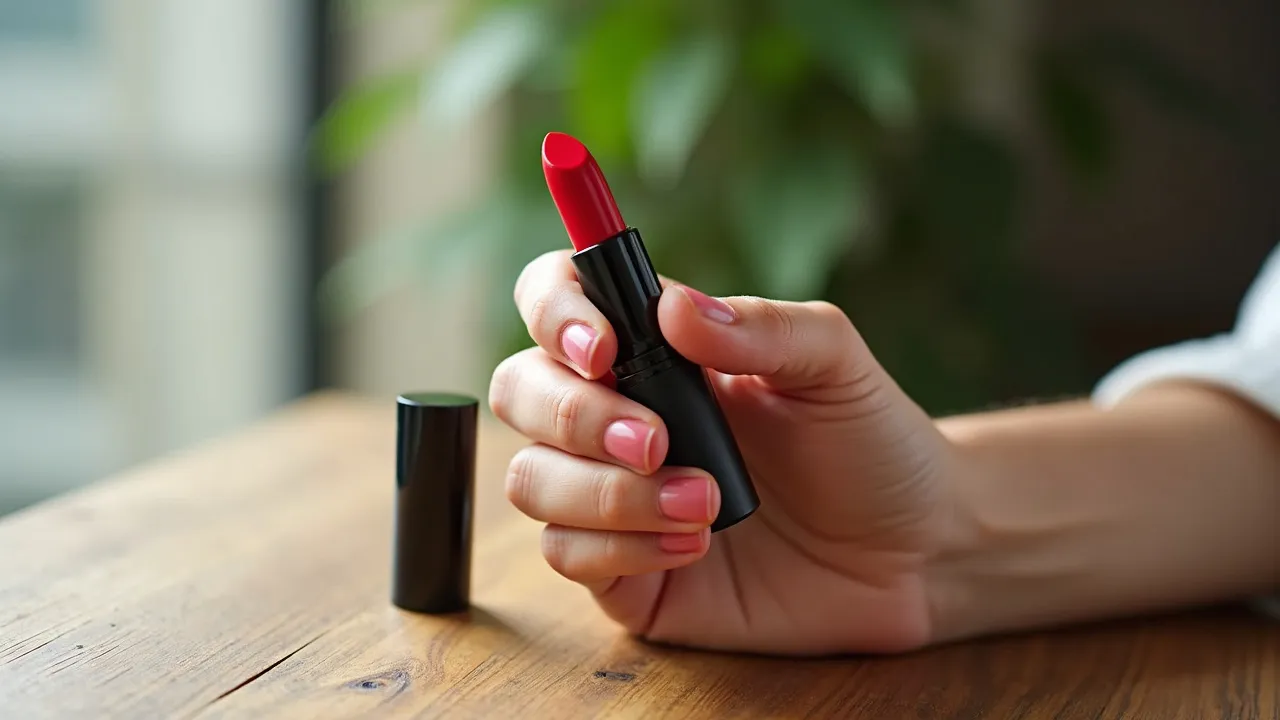
Celebrated on July 29th, National Lipstick Day honors the iconic cosmetic that has empowered women for centuries. From ancient origins to modern self-expression, discover the history, culture, and ways to celebrate this glamorous day.
The Historical Origins & Evolutionary Journey
National Lipstick Day, observed annually on July 29th, celebrates one of the most iconic beauty products in history. While the modern holiday was established by Revlon in 2015, the story of lipstick stretches back thousands of years.
The Foundational Catalyst
Lipstick's earliest known use dates to ancient Mesopotamia around 3500 BCE, where women crushed gemstones to color their lips. In ancient Egypt, Cleopatra used crushed carmine beetles and ants to create a deep red stain. The practice spread to Greece and Rome, but often carried social stigma. During the Middle Ages, lipstick was associated with witchcraft and was largely abandoned. It reemerged in the 16th century under Queen Elizabeth I, who popularized a stark white face with red lips. The Victorian era saw a decline again due to modesty standards.
The Legislative/Official Adoption
The modern lipstick tube was invented in 1915 by Maurice Levy, who created the first swivel-up metal container. This innovation made lipstick portable and hygienic. By the 1920s, lipstick became a symbol of female independence, with flappers wearing bold shades. During World War II, lipstick was deemed essential for morale, and women were encouraged to wear it in factories. The FDA began regulating lipstick ingredients in the 1930s. Revlon launched its iconic Lipstick line in 1932, and the brand became synonymous with glamour. In 2015, Revlon officially founded National Lipstick Day on July 29th to celebrate the product's legacy.
Modern Global Legacy
Today, lipstick is a multi-billion dollar industry. It is used by people of all genders as a form of self-expression, empowerment, and artistry. National Lipstick Day has become a global phenomenon, with brands offering discounts, influencers posting tutorials, and charities using the day to raise awareness for causes like women's health. The day is a reminder of lipstick's enduring cultural impact.
How to Celebrate National Lipstick Day
National Lipstick Day on July 29th offers endless opportunities to embrace color and creativity. Here are some ways individuals, schools, and organizations can participate:
Personal Celebrations
- Try a new shade: Step out of your comfort zone and wear a bold color you've never tried before.
- Host a lipstick party: Invite friends to swap lipsticks and share tips.
- Donate gently used lipsticks: Many organizations collect cosmetics for women in shelters.
- Create a lipstick look: Experiment with ombré lips or a classic red.
School and Workplace Activities
- Lipstick-themed dress day: Encourage students or colleagues to wear their favorite lipstick shade.
- Educational talks: Invite a makeup artist to discuss the history of lipstick or its chemistry.
- Fundraiser: Sell lip-shaped cookies or lip balms and donate proceeds to a women's charity.
Global Traditions
In the United States, major retailers like Sephora and Ulta offer deep discounts. In the UK, brands often release limited-edition shades. In South Korea, the day is celebrated with vibrant gradient lips. Social media campaigns using #NationalLipstickDay share tutorials and stories. Some countries combine the day with women's empowerment marches.
The Cultural Significance of Lipstick
Lipstick is more than a cosmetic; it is a cultural artifact that reflects societal values. In many cultures, red lipstick symbolizes confidence, power, and seduction. During the suffragette movement, women wore red lipstick as a sign of rebellion. In the 1960s, pale lips represented modesty, while the 1980s saw bold, bright shades as a statement of ambition. Today, lipstick is a tool for self-care and identity expression. It is used by drag queens to create illusions, by activists to draw attention to causes, and by everyday individuals to boost mood. The shade choices can indicate personality traits—for example, nude tones for understated elegance, bright pinks for playfulness, and deep berries for sophistication.
Lipstick Through the Decades
1920s: The Flapper Revolution
Women began wearing lipstick in public as a symbol of liberation. Dark, almost black red shades were popular, often applied in a dramatic "cupid's bow" shape. The invention of the metal tube made application easier.
1940s: Wartime Essential
During World War II, lipstick was considered essential for morale. The U.S. government declared it a necessity, and women working in factories wore it to maintain femininity. Shade names like "Victory Red" became common.
1960s: Youthquake
The 1960s saw a shift to pale, frosted lips as icons like Twiggy popularized a natural look. Bright pink and coral emerged with the Mod fashion movement.
1990s: Grunge and Brown
Brown, nude, and matte shades dominated as part of the grunge aesthetic. Courtney Love and Gwen Stefani wore deep burgundy and chocolate tones.
2010s: Social Media Influence
YouTube tutorials and Instagram influencers drove trends like liquid lipsticks, ombré, and bold colors. Kylie Jenner's lip kits sparked a global obsession with overdrawn lips.
The Science of Lipstick Formulation
Modern lipstick is a complex mixture of waxes, oils, pigments, and preservatives. Common waxes include beeswax, candelilla wax, and carnauba wax, which give the stick its shape and glide. Oils like castor oil, lanolin, and shea butter provide moisture and slip. Pigments may be natural (e.g., carmine from insects) or synthetic. For long-wear formulas, film-forming polymers are added. The invention of the bullet lipstick in 1915 revolutionized packaging, allowing precision application. Today, there is an increasing demand for clean beauty products, leading to parabens, phthalates, and fragrance-free options. Lipstick shades are formulated using a combination of colorants to achieve the desired hue, with reds requiring the most pigment concentration. The pH of the lips can also affect how the color appears, which is why custom-blended lipsticks are popular.
Global Impact: Lipstick as a Symbol of Empowerment
Lipstick has played a transformative role in women's empowerment worldwide. In the early 20th century, wearing lipstick was an act of defiance against Victorian modesty. The 1968 Miss America protest saw women throwing lipsticks into a "freedom trash can" to reject beauty standards, yet later, lipstick was reclaimed as a feminist tool. In Iran, women have worn red lipstick as a silent protest against mandatory hijab laws. In India, lipstick is a symbol of modernity and independence. Charities have used lipstick to raise funds for breast cancer research (e.g., Revlon's Love Is On campaign). National Lipstick Day often partners with organizations to donate proceeds to women's health initiatives, reinforcing the idea that beauty can drive social change.
The Future of Lipstick: Trends and Innovations
The lipstick industry continues to evolve. Key trends include:
- Sustainable packaging: Brands are moving to refillable and biodegradable tubes.
- Customization: AI-powered tools allow customers to create bespoke shades online.
- Inclusive shades: Ranges now cater to all skin tones, with deeper pigments and undertones.
- Hybrid formulas: Lipsticks that combine color with skincare benefits like SPF, hyaluronic acid, and peptides.
- Digital try-ons: Augmented reality apps let users test shades without physical application.
As the beauty industry embraces diversity and sustainability, lipstick remains a constant tool of personal expression. National Lipstick Day not only celebrates the product but also the confidence it instills.
Historical Timeline
Ancient Sumerians crush gemstones to create the first known lip color.
French perfumers introduce the first commercial lipstick, wrapped in silk paper.
Maurice Levy invents the first swivel-up metal lipstick tube, revolutionizing portability.
Revlon launches its first lipstick line, setting the standard for modern lipstick.
During WWII, lipstick is classified as an essential product for morale, even in war factories.
Hazel Bishop introduces the first long-lasting, non-smear lipstick.
MAC Cosmetics launches with bold shades, making lipstick a statement of individuality.
Revlon officially establishes National Lipstick Day on July 29th.
Despite mask-wearing, lipstick sales spike as people use color to boost mood online.