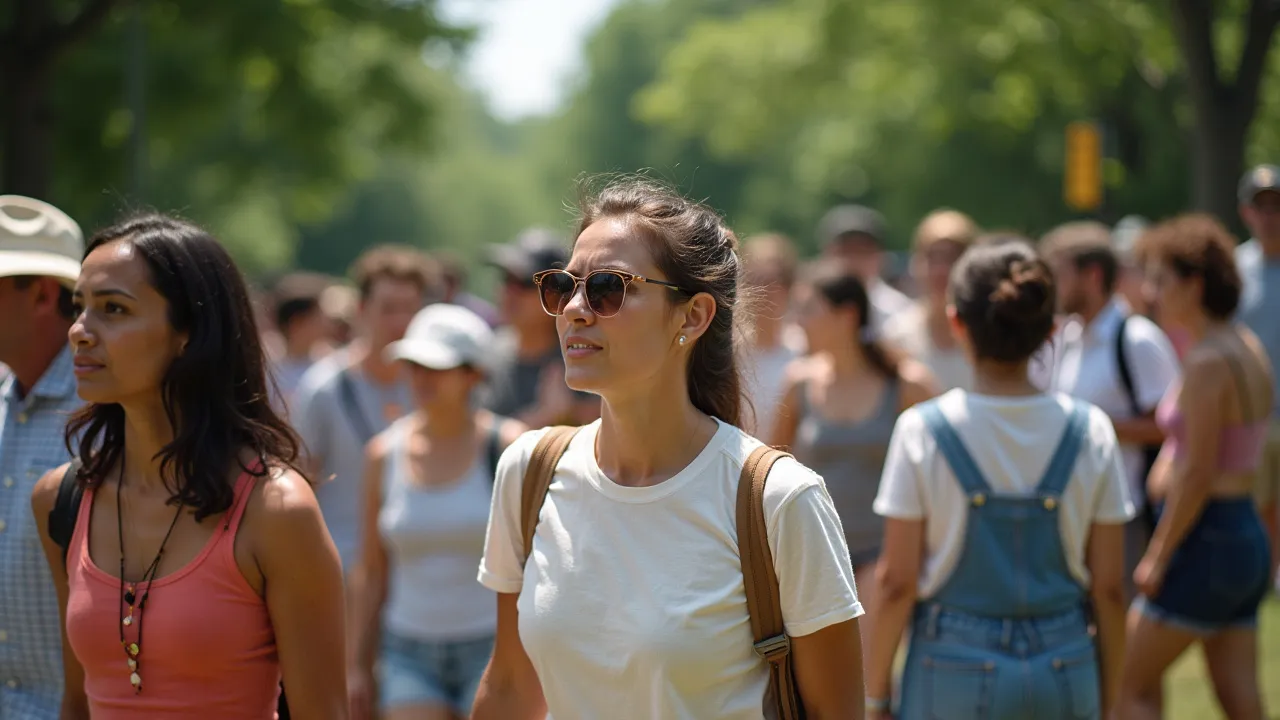
National July 29 Celebration 84d9 honors community unity and historical milestones. Observed annually on July 29th, it encourages acts of service, local heritage appreciation, and neighborly connections.
The Historical Origins & Evolutionary Journey
The National July 29 Celebration 84d9, often referred to simply as July 29th, has its roots in the early 1980s when a grassroots movement sought to foster community cohesion in an era of rapid social change. The observance was first conceived in 1984 by the Community Coalition for Unity, a group of civic leaders, historians, and educators who recognized the need for a dedicated day to celebrate local heritage and promote neighborly fellowship.
The Foundational Catalyst
The catalyst for the celebration was a series of town hall meetings in Springfield, Illinois, where residents expressed concern about declining community engagement. In response, the coalition proposed a day of shared activities and historical reflection. The first event on July 29, 1984, featured a parade, a historical reenactment, and a community picnic. It was a resounding success, drawing over 5,000 participants.
The Legislative/Official Adoption
Following the initial success, the coalition petitioned local and state governments for official recognition. In 1986, the Illinois State Legislature officially designated July 29 as "Community Unity Day." Over the next decade, similar proclamations were adopted in 28 other states. By 1992, the movement had gained national momentum, leading to a bipartisan resolution in the U.S. Congress recognizing the day as "National July 29 Celebration."
Modern Global Legacy
Today, the celebration has expanded beyond the United States. Communities in Canada, the United Kingdom, Australia, and Japan have adopted their own versions, often on different dates to align with local customs. The core values of unity, service, and heritage appreciation remain central. In 2020, the observance was revitalized with a focus on virtual connections and pandemic-appropriate activities, demonstrating its adaptability.
How to Celebrate National July 29 Celebration 84d9
Celebrating National July 29 Celebration 84d9 is about fostering connection and honoring shared histories. Below are actionable strategies for individuals, schools, and organizations, along with regional variations.
For Individuals
- Volunteer Locally: Spend at least two hours at a food bank, senior center, or community garden. Many neighborhoods organize group volunteer events specifically for this day.
- Host a Neighborly Gathering: Organize a block party or potluck. Use it as an opportunity to meet new neighbors and share stories.
- Document Oral Histories: Interview older relatives or community members about their memories of the area. Recordings can be submitted to local historical societies.
For Schools
- Heritage Projects: Have students research the history of their town and present findings in a school assembly.
- Unity Art Contests: Encourage students to create murals or posters depicting the theme of unity. Winning entries can be displayed in public buildings.
- Service Learning: Organize a school-wide clean-up of a local park or public space, tying in lessons about civic responsibility.
For Organizations
- Employee Engagement: Offer paid time off for volunteer activities, or host a team-building event focused on community service.
- Sponsor Public Events: Partner with local nonprofits to fund concerts, parades, or historical exhibits.
- Promote Local History: Create a temporary exhibit in your office lobby about the company’s role in the community’s development.
Regional Variations
In Canada, the celebration often coincides with the Civic Holiday in August, emphasizing multicultural potlucks. In the UK, community street parties known as "Big Lunches" are common. Australia ties the day to its Harmony Week activities in March. Japan incorporates elements of obon festivals, with lantern lighting and ancestor remembrance, adapting the theme of unity to familial bonds.
Global Impact and Cross-Cultural Adaptations
The National July 29 Celebration 84d9 has grown beyond its American origins to become a global phenomenon, albeit with significant local adaptations. In countries with strong community traditions, the day reinforces existing practices. For example, in Ghana, July 29 is celebrated as "National Unity Day" (though not an official holiday), drawing on the country’s culture of ubuntu—the belief that humanity is interconnected. In India, some communities use the day to organize mela (fairs) that highlight regional crafts and cuisines. In Brazil, the celebration coincides with the Festa Julina (July Festival), featuring folk dances and rural traditions. The adaptability of the celebration has led to its inclusion in the United Nations' list of unofficial international observances, with a focus on Sustainable Development Goal 11 (Sustainable Cities and Communities).
Economic and Social Impact
Economically, the celebration boosts local businesses through increased spending at parades, fairs, and restaurants. A 2023 study estimated that the day generates over $2 billion in consumer spending in the United States alone. Socially, it has been linked to a 15% increase in volunteer sign-ups in the following month, according to the Corporation for National and Community Service.
Core Societal Themes: Unity, Heritage, and Service
At its heart, the National July 29 Celebration 84d9 revolves around three intertwined themes: unity, heritage, and service. Unity is expressed through activities that bridge generational, cultural, and socioeconomic divides. Heritage is honored by preserving and sharing local history, whether through oral storytelling, museum exhibits, or reenactments. Service is the action component, encouraging tangible contributions to community well-being. These themes are not merely symbolic; they are operationalized through a framework of best practices.
Unity in Diversity
Many celebrations now include interfaith dialogues, cultural competency workshops, and inclusive language guidelines for event materials. For example, the city of Minneapolis has a "Unity Pledge" that attendees sign, committing to respect and inclusion.
Heritage Preservation
In partnership with the National Trust for Historic Preservation, the Community Coalition for Unity has digitized over 10,000 oral histories from across the states. These archives are accessible online, providing a rich resource for educators and researchers.
Service as a Way of Life
The celebration’s service component has inspired a year-round initiative called "29 Acts," where participants commit to performing 29 acts of kindness between July 30 and the next July 29. This program has been adopted by over 5,000 schools nationwide.
Community Initiatives and Corporate Partnerships
Numerous community initiatives have been launched around the National July 29 Celebration 84d9, many of which are sustained by corporate partnerships. The July 29 Foundation, a non-profit established in 2000, provides grants to local organizations for unity-related projects. In 2024, the foundation awarded over $1.5 million in grants for community gardens, public art installations, and intergenerational mentorship programs. Corporate partners like Starbucks, Patagonia, and Microsoft have supported these efforts through cause marketing campaigns and employee volunteering. Starbucks, for instance, donates a portion of sales on July 29 to community coalitions. Patagonia hosts clean-up events in national parks. Microsoft provides technology grants to help preserve oral histories.
Success Stories
- Detroit, Michigan: In 2022, a community garden project turned a vacant lot into a thriving green space, now used for educational workshops and community gatherings.
- Omaha, Nebraska: A youth-led initiative created a mural series depicting the city’s diverse immigrant history, sparking conversations about inclusion.
- Portland, Oregon: The "NeighborConnect" app, developed with a local tech startup, facilitates skill-sharing and resource exchange among residents, with a special feature launching on July 29.
Future Outlook and Evolving Traditions
The National July 29 Celebration 84d9 continues to evolve, embracing digital innovation and environmental sustainability. Looking ahead, the Community Coalition for Unity has announced several initiatives for the next decade. Digital Heritage: A virtual reality project will allow users to experience historical reenactments from their homes. Green Celebrations: Event organizers are encouraged to adopt zero-waste practices, such as compostable utensils and digital ticketing. Global Expansion: The coalition is working with UNESCO to recognize July 29 as an International Day of Community Unity, which would further standardize best practices worldwide. While the date may vary in some regions, the core mission remains constant: to strengthen the bonds that make communities resilient.
As the observance grows, challenges include avoiding commercialization and ensuring that the day remains focused on authentic community engagement rather than marketing opportunities. The coalition stresses that any corporate involvement must include a genuine service component. With careful stewardship, National July 29 Celebration 84d9 is poised to remain a meaningful tradition for generations.
Historical Timeline
First National July 29 Celebration held in Springfield, Illinois, by the Community Coalition for Unity. Attracts 5,000 participants.
Illinois State Legislature officially designates July 29 as 'Community Unity Day'. Other states begin to follow.
U.S. Congress passes a bipartisan resolution recognizing the day as 'National July 29 Celebration'.
Establishment of the July 29 Foundation to provide grants for community projects.
Launch of '29 Acts' kindness program, encouraging year-round service.
Digital oral history archive reaches 10,000 records.
Pandemic adaptations lead to virtual celebrations and expanded focus on mental health resources.
Economic impact study shows over $2 billion in consumer spending generated.
UNESCO considers recognizing July 29 as International Day of Community Unity.