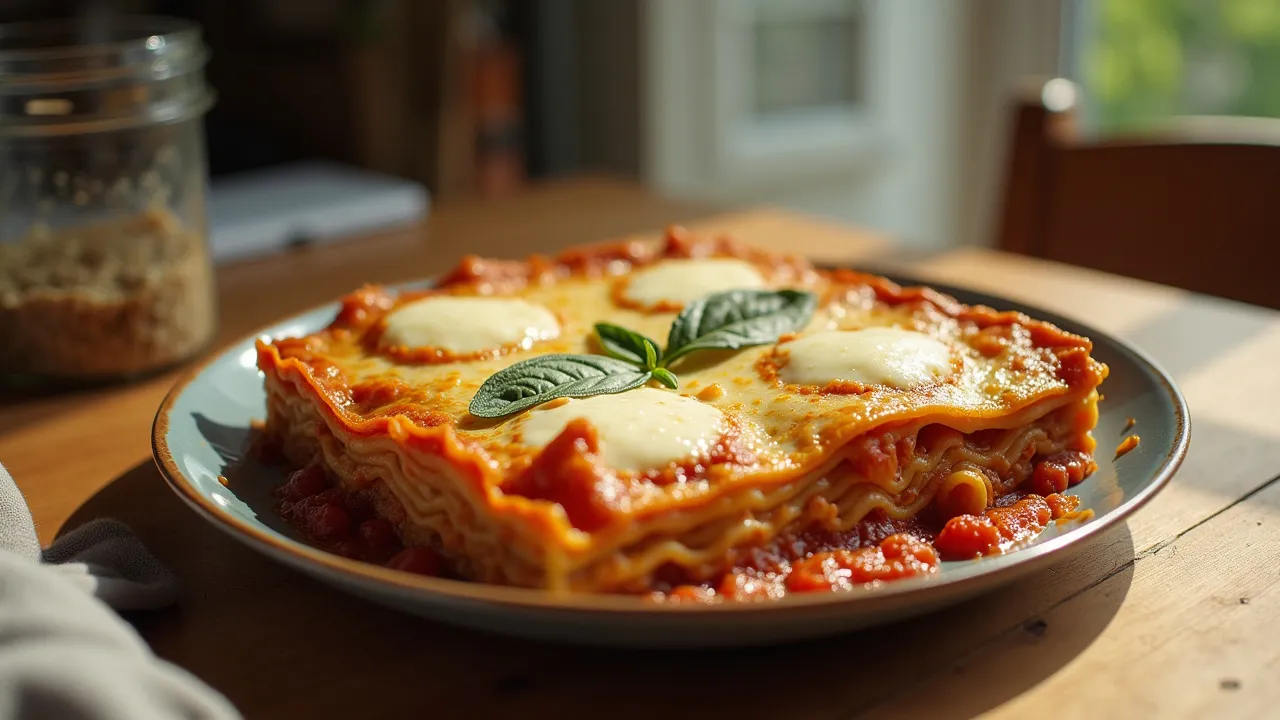
National Lasagna Day, observed annually on July 29th, celebrates the beloved layered pasta dish. From its Italian roots to global variations, this day honors lasagna's rich history and culinary versatility.
The Historical Origins & Evolutionary Journey
National Lasagna Day, celebrated annually on July 29th, pays homage to one of the world's most beloved comfort foods. While the exact origins of this observance are somewhat murky, it is widely recognized as a day to indulge in the layered pasta dish that has become a staple in Italian cuisine and beyond.
The Foundational Catalyst
The history of lasagna itself dates back centuries, with its earliest known recipe appearing in the 14th-century cookbook Liber de Coquina. The dish evolved from ancient Greek and Roman layered dishes, but the modern lasagna we know today—featuring pasta sheets, rich ragù, béchamel, and cheese—was refined in the Emilia-Romagna region of Italy during the Middle Ages. The first commercial production of oven-ready lasagna noodles in the United States helped popularize the dish in the 20th century.
The Legislative/Official Adoption
National Lasagna Day was formally established by the National Day Calendar in the early 2000s as part of a trend to recognize popular foods. The date July 29th was chosen for its position in the middle of summer, when fresh tomatoes and basil are abundant, making it ideal for preparing classic lasagna. Unlike many official holidays, this day has no governmental proclamation but has gained traction through social media, food blogs, and restaurant promotions.
Modern Global Legacy
Today, National Lasagna Day is celebrated across the United States and in many other countries. It has spurred creative variations, from vegetarian and vegan lasagnas to dessert versions made with chocolate and fruit. The day also highlights the dish's role in family gatherings and community events, emphasizing its ability to bring people together over a shared love of hearty, satisfying food.
How to Celebrate National Lasagna Day
National Lasagna Day offers countless ways to honor this iconic dish. Whether you prefer traditional recipes or modern twists, here are some of the best ways to celebrate:
For Home Cooks
- Make lasagna from scratch: Use homemade pasta sheets and a slow-simmered ragù for an authentic experience.
- Try regional variations: Experiment with Neapolitan lasagna, which uses meatballs and ricotta, or the creamy lasagna alla bolognese.
- Host a lasagna party: Invite friends and family over for a potluck-style lasagna feast, where each guest brings a different version.
For Schools and Organizations
- Lasagna cooking classes: Teach children or adults the basics of assembling and baking lasagna.
- Charity lasagna dinners: Organize a community dinner where proceeds go to local food banks.
- Lasagna contests: Host a friendly competition for the best traditional or creative lasagna.
For Restaurants and Businesses
Many restaurants offer special deals on July 29th, such as discounted lasagna dishes or family-sized takeout options. Some even create limited-time gourmet versions with unexpected ingredients like lobster or truffle oil. Social media campaigns using hashtags like #NationalLasagnaDay encourage customers to share their lasagna creations.
Outside the US, celebrations vary. In Italy, while there is no official day, July 29th might be marked by enjoying a traditional lasagna al forno at a local trattoria. In the UK and Australia, supermarkets often feature promotions on lasagna ingredients and ready meals.
Global Variations of Lasagna
While lasagna is quintessentially Italian, numerous cultures have adopted and adapted it to local tastes.
Italian Regional Styles
- Lasagna alla Bolognese: Originating from Bologna, this version uses a rich meat ragù, béchamel sauce, and Parmigiano-Reggiano.
- Lasagna Napoletana: From Naples, it includes meatballs, sausages, boiled eggs, and ricotta cheese, often with a mix of béchamel and tomato sauce.
- Lasagna al Pesto: A Ligurian variant with pesto, potatoes, and green beans.
American Interpretations
American lasagna frequently replaces béchamel with ricotta or cottage cheese and includes generous amounts of mozzarella. Some regional twists feature sausage, spinach, or even a southwestern version with enchilada sauce.
International Adaptations
- Greek Pastitsio: A baked pasta dish with minced meat and béchamel, but usually uses tubular pasta instead of lasagna sheets.
- Japanese Lasagna: Uses soy-based sauces and ingredients like nori sheets or miso for a fusion take.
- Vegetarian and Vegan Lasagnas: Replace meat with lentils, mushrooms, or tofu, and use plant-based cheeses and béchamel.
These variations highlight lasagna's versatility and its ability to incorporate local flavors while maintaining its layered structure.
The Cultural Significance of Lasagna
Lasagna is more than a dish; it is a cultural icon representing family, tradition, and comfort. In Italy, lasagna is often reserved for Sunday dinners and festive occasions, embodying the warmth of home cooking. Its labor-intensive preparation makes it a labor of love, typically associated with gatherings and celebrations.
In the United States, lasagna gained popularity after World War II, when returning soldiers brought back a taste for Italian cuisine. It became a staple in school cafeterias, college dorms, and family cookbooks. The dish's adaptability has allowed it to thrive in dietary trends, from gluten-free to keto-friendly versions.
National Lasagna Day thus serves as a reminder of food's power to connect people across generations and cultures. It encourages creativity in the kitchen while honoring a timeless recipe that has stood the test of time.
Lasagna in Pop Culture and Media
Lasagna has earned a prominent place in pop culture, often symbolizing homey, indulgent comfort. Perhaps its most famous endorsement comes from the comic strip Garfield, where the lasagna-loving cat made the dish a recurring motif. This association helped solidify lasagna's status as a universally recognized food in the 1980s and 1990s.
In film and television, lasagna frequently appears in family dinner scenes, from The Godfather to Everybody Loves Raymond. Food-centric shows like The Great British Bake Off have featured lasagna challenges, highlighting both its technical demands and creative potential.
Social media platforms like Instagram and TikTok are flooded with lasagna content on July 29th, from recipe tutorials to #LasagnaHack videos. The dish's photogenic layers make it a favorite for food bloggers, further cementing its place in digital culture.
The Economics of National Lasagna Day
National Lasagna Day has a noticeable economic impact, particularly in the food industry. Restaurants, from small pizzerias to high-end Italian eateries, often run special promotions to attract customers. Grocery stores and supermarkets increase discounts on lasagna ingredients like pasta sheets, ricotta cheese, and tomato sauce in the weeks leading up to July 29th.
Sales data from past years show a spike in lasagna noodle purchases by 20-30% during this period. Frozen lasagna sales also get a boost, as busy consumers look for convenient options. Additionally, food delivery services report increased orders for lasagna meals, with some companies offering exclusive discounts.
The event also benefits food bloggers and influencers, who create sponsored content around the day. Recipe websites see a surge in traffic from people searching for easy lasagna recipes, and cookbooks featuring lasagna enjoy temporary sales bumps. Overall, National Lasagna Day stimulates consumer spending while celebrating a cherished comfort food.
Historical Timeline
The earliest known lasagna recipe appears in the Italian cookbook 'Liber de Coquina', describing layers of pasta with cheese and spices.
Oven-ready lasagna noodles are commercialized in the United States, making home preparation easier and more popular.
The comic strip 'Garfield' first features lasagna as the cat's favorite food, boosting its cultural presence.
National Lasagna Day is officially recognized by the National Day Calendar, with July 29th designated as the annual date.
Social media adoption of #NationalLasagnaDay increases exponentially, with millions of posts sharing recipes and celebrations.
During the COVID-19 pandemic, lasagna becomes a popular comfort food for home cooking, with National Lasagna Day seeing record online engagement.