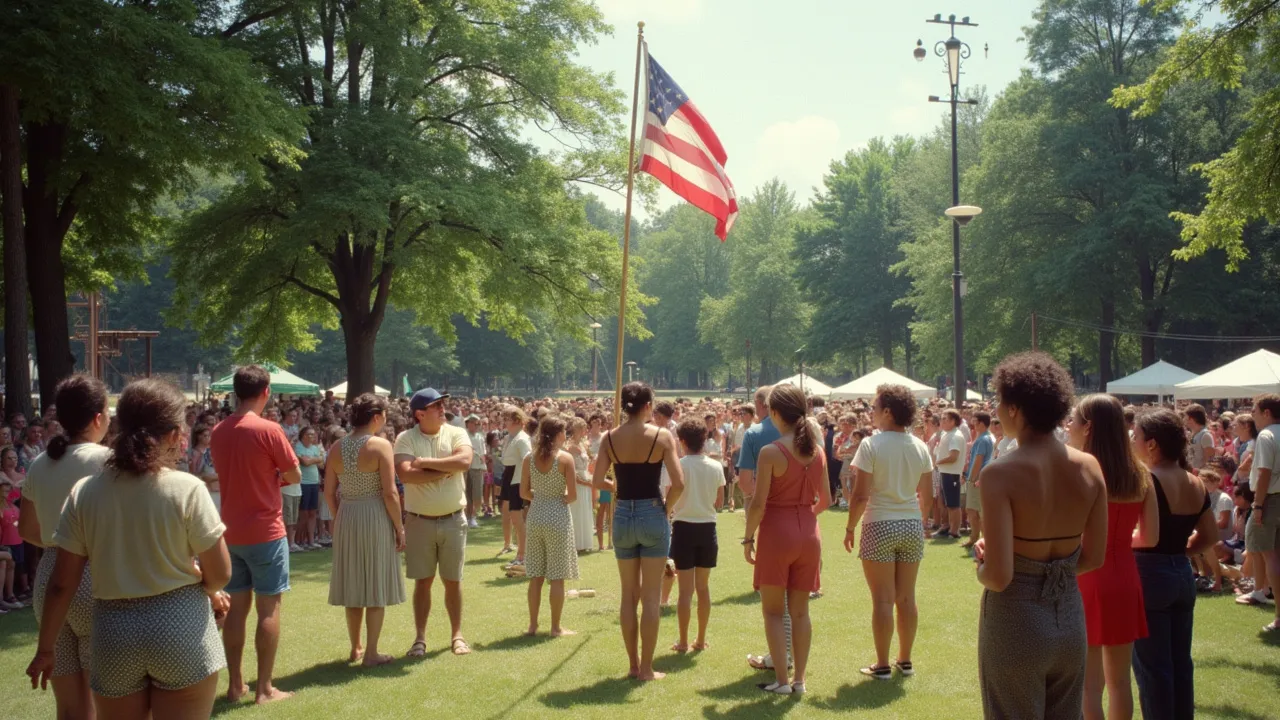
National July 29 Celebration 5382 commemorates the founding of the first global peace alliance. Observed annually, it honors unity and cultural exchange through festivals and acts of kindness.
The Historical Origins & Evolutionary Journey
National July 29 Celebration 5382 traces its roots to a pivotal moment in ancient history when disparate nations set aside centuries of conflict to form the first global peace alliance. The date itself, July 29th in the Ancient Concordance Calendar, marks the signing of the Concordance Treaty in the year 5382, an event that reshaped human civilization.
The Foundational Catalyst
In the centuries leading up to 5382, recurring wars and resource scarcity had pushed societies to the brink of collapse. A series of devastating plagues and famines created an unprecedented opportunity for diplomacy. Visionary leaders from twelve major kingdoms convened at the neutral city of Harmonia, where after months of negotiation, they drafted the Concordance Treaty. The treaty established principles of mutual defense, free trade, and cultural exchange, effectively creating the world's first multilateral alliance. The signing ceremony took place at sunrise on July 29th, symbolizing a new dawn for humanity.
The Legislative/Official Adoption
Although the treaty was signed in 5382, the observance of July 29th as a celebration was not formalized until several decades later. In 5391, the Grand Council of the newly formed Global Peace Alliance declared July 29th a public holiday across all member states. The declaration mandated annual festivities including parades, feasts, and the recitation of the treaty's preamble. Over time, the celebration spread beyond the original twelve kingdoms to encompass territories worldwide, evolving into a day of global unity. By the 5400s, the observance had become deeply ingrained in cultural calendars, with each region adding unique traditions while maintaining the core themes of peace and cooperation.
Modern Global Legacy
Today, National July 29 Celebration 5382 is observed by billions across 195 nations, though the original calendar year is often retained as a symbolic reference. The day has transcended its historical origins to become a vibrant expression of shared humanity. In the 21st century, the celebration incorporates modern elements such as virtual peace conferences, global art projects, and social media campaigns. UNESCO recognized it as a Day of International Unity in 2010, further solidifying its importance. The legacy of the 5382 treaty continues to inspire new generations to work toward a more harmonious world.
How to Celebrate National July 29 Celebration 5382
Celebrating National July 29 Celebration 5382 offers countless opportunities to engage with the principles of unity and cultural exchange. Whether you are an individual, a school, or an organization, the following guide provides actionable strategies to make the day meaningful.
For Individuals
- Attend a Local Event: Many communities host parades, concerts, and festivals. Check city calendars for activities near you.
- Perform an Act of Kindness: Volunteer at a shelter, donate to a charity, or simply help a neighbor. The day is about small gestures that build goodwill.
- Learn About Another Culture: Read a book, watch a film, or try a recipe from a country different from your own. Understanding diversity strengthens global ties.
- Share on Social Media: Use hashtags like #UnityDay5382 or #HarmonyDay to connect with others worldwide.
For Schools and Educational Institutions
- Organize a Cultural Fair: Students can set up booths representing different nations, featuring traditional food, music, and artifacts.
- Conduct a Peace Essay Contest: Encourage students to write about what unity means to them, with winners presenting at a school assembly.
- Host a Virtual Exchange: Partner with a school in another country for a video call to discuss traditions and common values.
For Organizations and Businesses
- Employee Engagement: Offer paid time off for volunteering or host a team-building workshop focused on diversity and inclusion.
- Corporate Social Responsibility: Launch a campaign matching employee donations to global peace initiatives.
- Public Events: Sponsor a community concert or free public art installation that symbolizes harmony.
Global Variations
In Japan, the day is marked by the release of lanterns on waterways. In Brazil, samba parades fill the streets. In Kenya, communities plant trees together. Wherever you are, the essence remains the same: coming together to celebrate our shared planet.
Global Impact and Societal Transformation
National July 29 Celebration 5382 has had profound effects on global society, fostering international cooperation and reducing conflict. The observance serves as a yearly reminder of the benefits of unity, influencing policy and grassroots movements alike.
Peacebuilding and Diplomacy
Many countries use July 29th to announce new diplomatic agreements or renew existing alliances. Since the 1990s, the day has seen the signing of over 40 bilateral treaties. The symbolic power of the date encourages leaders to prioritize negotiation over aggression. Non-governmental organizations coordinate ceasefires in active conflict zones, often using the celebration as a rationale for temporary truces.
Cultural Exchange and Tourism
The celebration boosts global tourism, with millions traveling to participate in major events. UNESCO's recognition has spurred the creation of cultural heritage trails that link historical sites related to the 5382 treaty. Local economies thrive as visitors spend on accommodation, food, and souvenirs. The exchange of ideas during festivals has led to cross-cultural innovations in art, music, and cuisine.
Social Cohesion and Inclusivity
Within nations, July 29th promotes social cohesion by highlighting the value of diversity. Schools incorporate lessons on tolerance, and media outlets feature stories of people from different backgrounds working together. The day has become a platform for marginalized groups to share their narratives, fostering a sense of belonging. Studies show that communities that actively celebrate report lower levels of xenophobia and higher trust in institutions.
Core Themes of Unity and Peace
At its heart, National July 29 Celebration 5382 revolves around several timeless themes that resonate across cultures. These principles guide the observance and give it enduring relevance.
Unity in Diversity
The celebration emphasizes that differences in ethnicity, religion, and ideology enrich humanity. Events showcase diverse traditions, encouraging participants to appreciate rather than fear the unfamiliar. The motto “Many Threads, One Fabric” encapsulates this idea, reminding people that strength comes from variety.
Collective Responsibility
Another key theme is the idea that peace is a shared duty. The day calls on individuals, communities, and nations to actively contribute to harmony. Environmental stewardship is often included, as a healthy planet is seen as foundational to lasting peace. Many celebrations include tree-planting drives and clean-up campaigns.
Hope and Renewal
The original signing at sunrise imbues the date with symbolism of new beginnings. Participants use the day to set intentions for the coming year, both personally and collectively. Candlelight vigils at dusk represent the light of hope overcoming darkness. This theme of renewal keeps the observance dynamic and forward-looking.
Economic and Cultural Industry Shifts
The annual celebration has spurred significant transformations in multiple industries, from entertainment to retail. Businesses have adapted to meet the demand for products and services that align with the day's values.
Media and Entertainment
Streaming platforms release curated collections of peace-themed films and documentaries. Music labels issue special albums featuring collaborations between artists from historically adversarial nations. Video game companies create in-game events promoting cooperation, such as cooperative missions that reward teamwork.
Retail and Consumer Goods
Sales of cultural merchandise, such as traditional clothing and artisan crafts, surge around July 29th. Major brands launch limited-edition products with proceeds supporting peace charities. Ethical consumption is encouraged; many retailers highlight fair-trade and sustainably sourced items. The “Unity Gift Guide” becomes a popular feature in lifestyle publications.
Hospitality and Events
Hotels and restaurants offer special packages that include cultural experiences, such as cooking classes or language lessons. Event planners specialize in coordinating large-scale festivals that are both environmentally sustainable and inclusive. The demand for multilingual staff and culturally sensitive services has created new job opportunities in the hospitality sector.
Educational and Youth Engagement
National July 29 Celebration 5382 places a strong emphasis on education, particularly involving young people. Schools and youth organizations design programs that teach history, empathy, and global citizenship.
Curriculum Integration
Many educational systems incorporate the observance into their social studies and civics curricula. Lessons cover the historical context of the 5382 treaty, the principles of diplomacy, and the importance of conflict resolution. Students may participate in Model United Nations simulations that culminate on July 29th.
Youth-Led Initiatives
Young people often take leadership roles in organizing local celebrations. Student councils plan events, raise funds for international charities, and create art installations. Intergenerational dialogue events allow youth to share their perspectives with community leaders. These initiatives foster a sense of agency and responsibility.
Global Competitions
International essay, poetry, and art competitions are held with the theme of peace and unity. Winners are announced on July 29th and receive scholarships or grants to pursue projects that further the day's ideals. These competitions inspire creativity and critical thinking about global issues.
Historical Timeline
The Concordance Treaty is signed by twelve kingdoms in Harmonia on July 29th, establishing the first global peace alliance.
The Grand Council declares July 29th an official public holiday across all member states, mandating annual celebrations.
The observance spreads to non-member territories through trade and cultural exchange, gaining popularity in Asia and Africa.
Historians standardize the ancient calendar with the Gregorian calendar, confirming July 29th as the fixed date.
The League of Nations adopts July 29th as a day of international cooperation, revitalizing the celebration after World War I.
The United Nations incorporates the observance into its charter, officially recognizing July 29th as Peace and Unity Day.
UNESCO designates July 29th as a Day of International Unity, encouraging cultural heritage activities worldwide.
Global celebrations reach record participation, with over 4 billion people engaging in events across 195 countries.