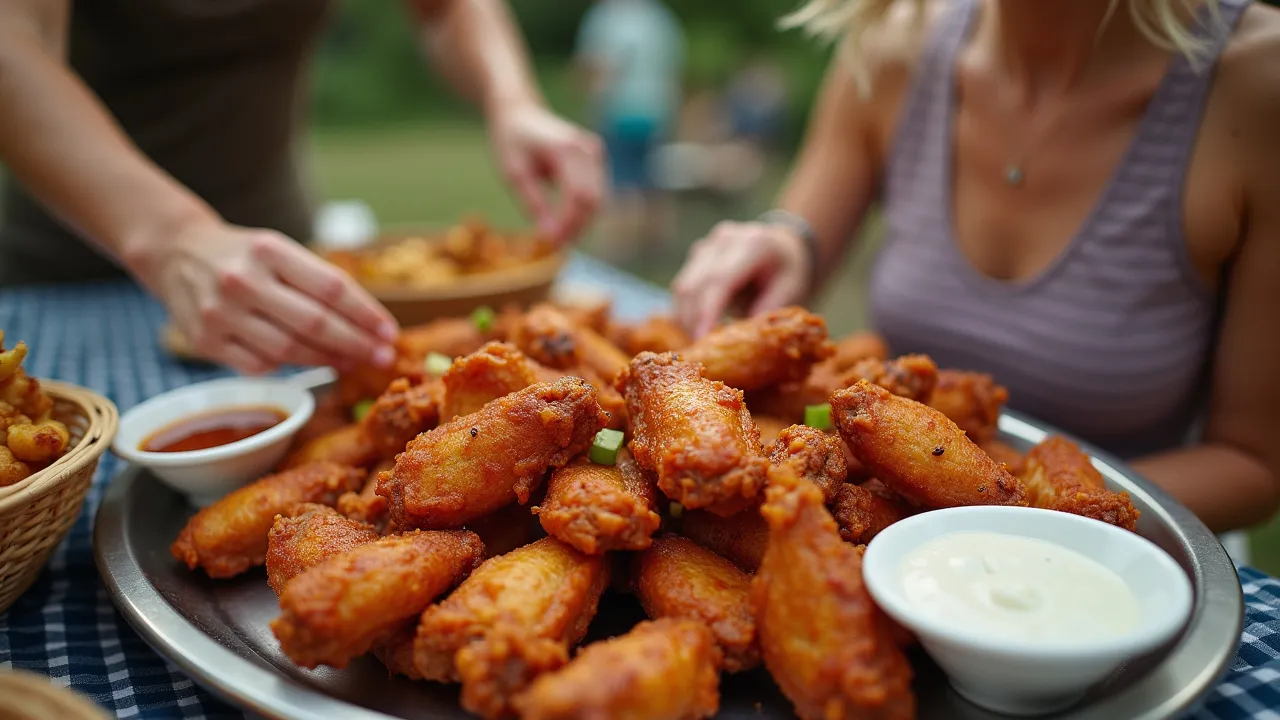
National Chicken Wing Day, celebrated annually on July 29th, is a food holiday honoring one of America's favorite finger foods. It's a day for enjoying buffalo, grilled, or baked wings with friends and family.
The Historical Origins & Evolutionary Journey
National Chicken Wing Day, observed annually on July 29th, traces its roots to the unlikely marriage of a bar owner, a mistaken order, and a hunger for something new. While the observance itself was formally established in the early 21st century, the story of the chicken wing begins decades earlier in Buffalo, New York.
The Foundational Catalyst: The Anchor Bar in 1964
In 1964, at the Anchor Bar in Buffalo, New York, co-owner Teressa Bellissimo is credited with inventing the first buffalo wing. According to popular lore, Teressa's son, Dominic, arrived late one night with a group of hungry friends. Teressa needed to whip up something quickly. She took chicken wings—normally reserved for stock or soup—deep-fried them, and tossed them in a mixture of hot sauce and melted butter. She served them with blue cheese dressing and celery sticks. The dish was an instant hit, and the buffalo wing was born.
The innovation spread slowly at first, primarily through bars and pizzerias in the Buffalo area. By the 1970s, buffalo wings had become a regional staple, with variations emerging across the United States. The first known franchise dedicated to wings, Buffalo Wild Wings & Weck (now Buffalo Wild Wings), opened in 1982 in Columbus, Ohio, sparking a national craze.
The Legislative/Official Adoption: National Chicken Wing Day
Fast forward to 2003: the National Chicken Council, an industry trade group representing chicken producers, officially designated July 29th as National Chicken Wing Day. The date was chosen to coincide with the peak of summer grilling season and the lead-up to major sporting events where wings are a staple (though the Super Bowl is in winter). The council aimed to promote chicken wings as a versatile, fun food perfect for gatherings. Since then, the day has been recognized unofficially across the United States and beyond, with restaurants and bars offering specials and home cooks firing up their fryers.
Modern Global Legacy
Today, chicken wings are a global phenomenon, with countless flavor profiles—from sweet and sour in Asia to peri-peri in Africa. National Chicken Wing Day has evolved from a simple marketing initiative into a cultural celebration of culinary creativity and communal eating. The day is now amplified through social media, with hashtags like #NationalChickenWingDay trending, and major chains launching limited-time flavors. The humble wing has also become a symbol of American comfort food, yet its adaptability has made it beloved worldwide.
How to Celebrate National Chicken Wing Day
National Chicken Wing Day offers endless opportunities for food lovers, businesses, and communities to engage. Whether you prefer classic buffalo or adventurous global flavors, here are actionable ways to celebrate.
Individual and Family Celebrations
- Host a Wing Party: Invite friends over for a wing-tasting party. Provide a variety of sauces—buffalo, BBQ, honey garlic, teriyaki, and a wild card like mango habanero.
- Try a New Recipe: Experiment with baking, grilling, or air-frying wings to achieve the perfect crispiness. Pair with homemade dips.
- Wing Crawl: Visit local bars or restaurants known for their wings. Sample different styles (traditional, boneless, smoked) and vote on the best.
- Cook-Off Challenge: Compete with family or neighbors to create the most innovative wing flavor.
Restaurant and Bar Promotions
- Offer Discounts: Many restaurants run buy-one-get-one or half-price wing deals. Some create exclusive limited-time flavors.
- Wing Eating Contests: Host timed competitions with prizes for the most wings consumed. Ensure safety and have water and napkins ready.
- Collaborate with Local Breweries: Pair wings with craft beers. Flight-and-wing combos are popular.
School and Community Events
- Fundraisers: Schools can host wing sales to raise money for sports teams or clubs.
- Cooking Classes: Offer workshops on how to make sauces and achieve restaurant-quality wings at home.
- Social Media Challenges: Encourage followers to post their wing creations with a specific hashtag.
International Twists
While July 29th is the primary date in the U.S., other regions celebrate wings on different days or incorporate them into local festivals. For example:
- Canada: Many Canadians join the U.S. observance, but some provinces have their own wing events tied to hockey games.
- United Kingdom: Chicken wings are popular in pubs, especially during football matches. Some establishments offer "wing Wednesdays" year-round.
- Asia: In South Korea, fried chicken wings are a staple of chimaek (chicken and beer) culture, often enjoyed on national holidays or during baseball games.
- Australia: Barbecue wings are common at summer gatherings. July 29th is winter in Australia, so indoor wing feasts are preferred.
Global Variations and Cultural Adaptations
Chicken wings have transcended their American origins to become a canvas for global flavors. National Chicken Wing Day showcases this diversity.
American Classics
- Buffalo Wings: The original, with cayenne pepper sauce and butter. Served with blue cheese or ranch and celery sticks.
- BBQ Wings: Sweet and smoky, often grilled or baked.
- Honey Garlic: Sticky-sweet with a hint of garlic.
Asian Inspirations
- Korean Fried Chicken (KFC): Double-fried for extra crunch, then coated in gochujang-based sauce. Often paired with pickled radish.
- Thai Sweet Chili: Lighter sauce with fish sauce, lime, and chili flakes.
- Japanese Teriyaki: Soy sauce, mirin, and sugar glaze.
- Chinese Salt and Pepper: Fried wings tossed with Sichuan peppercorns, chili, and garlic.
African and Caribbean
- Jerk Wings: Marinated in allspice, scotch bonnet peppers, and thyme, then grilled.
- Peri-Peri Wings: Inspired by Portuguese-African piri piri sauce, tangy and spicy.
European and Middle Eastern
- Lemon and Herb: Greek-style with olive oil, lemon, oregano.
- Harissa Wings: North African chili paste mixed with garlic and cumin.
These variations highlight how wings act as a neutral base for cultural expression. On National Chicken Wing Day, many international restaurants offer fusion flavors to attract customers.
Economic Impact and Industry Insights
The chicken wing industry is a multi-billion dollar sector, and National Chicken Wing Day serves as a major promotional opportunity. According to the National Chicken Council, Americans consume over 1.4 billion chicken wings during the Super Bowl weekend alone. On July 29th, wing sales spike by 30-50% compared to an average day.
Supply Chain and Pricing
- Wing Prices: The price of chicken wings fluctuates based on demand. Post-Super Bowl, prices drop, but they rise again in summer for grilling season.
- Restaurant Strategies: Chains like Hooters, Buffalo Wild Wings, and Wingstop often launch limited-time flavors on July 29th. Independent bars use the day to build loyalty.
- Global Trade: The U.S. exports chicken wings to Mexico, Canada, and Asia, though domestic consumption remains highest.
Marketing and Social Media
- Influencer Campaigns: Food bloggers and YouTubers create wing reviews on July 29th.
- Hashtag Trends: #NationalChickenWingDay trends on Twitter, with brands engaging via polls and giveaways.
Employment and Small Business
- Job Creation: Wing restaurants employ millions, from cooks to delivery drivers. National Chicken Wing Day boosts tips and overtime.
- Local Events: Food festivals centered on wings generate revenue for vendors and municipalities.
Cooking Methods and Perfecting the Wing
Achieving the perfect chicken wing involves balance: crispy skin, tender meat, and well-coated sauce. Here are the primary methods used by professionals and home cooks.
Deep Frying
The gold standard for buffalo wings. Wings are fried at 350-375°F (175-190°C) until golden brown (about 8-10 minutes). Double frying ensures extra crunch.
Baking
A healthier alternative. Bake wings on a wire rack at 400°F (200°C) for 45-50 minutes, flipping halfway. Patting dry with paper towels before baking improves crispiness. For extra crunch, coat with baking powder (not baking soda).
Grilling
Ideal for smoky flavor. Grill over medium heat, turning frequently, for 20-25 minutes. Brush with sauce in the last few minutes to avoid burning.
Air Frying
Popular for speed and crispiness. Air fry at 380°F (193°C) for 12-15 minutes, shaking halfway. Works well with frozen wings too.
Sauce Application
- Toss hot wings in sauce immediately after cooking to allow absorption.
- For dry rubs, apply before cooking.
- Glazes can be applied during the last 5 minutes of cooking to caramelize.
Nutritional Considerations
Chicken wings are high in protein but also fat and sodium. A typical wing (with skin) has about 80-100 calories. For lighter options, remove the skin or choose baked over fried. Pair with vegetable sticks to add fiber.
Health, Safety, and Sustainability
As with any food celebration, responsible consumption and safety are paramount on National Chicken Wing Day.
Food Safety Tips
- Handling Raw Chicken: Always wash hands, utensils, and surfaces after contact. Avoid cross-contamination with ready-to-eat foods.
- Cooking Temperatures: Internal temperature of wings should reach 165°F (74°C) to kill bacteria.
- Leaving Out Wings: Do not leave cooked wings at room temperature for more than 2 hours (1 hour if above 90°F).
Healthier Alternatives
- Baked or Air-Fried: Reduce fat content by 30-40% compared to deep-frying.
- Low-Sodium Sauces: Make your own with reduced-salt soy sauce or fresh herbs.
- Portion Control: Stick to 5-6 wings per serving as part of a balanced meal.
Sustainability
- Sourcing: Look for chicken raised without antibiotics or with certified humane labels.
- Waste Reduction: Use leftover wings for soup or stock. Reduce packaging by buying fresh from a butcher.
Fun Facts and Cultural References
Chicken wings have embedded themselves in pop culture and quirky trivia. Here are some notable facts for National Chicken Wing Day.
- Buffalo wings were invented by accident: Teressa Bellissimo's late-night snack creation changed American appetizers forever.
- The largest chicken wing ever cooked weighed over 12 pounds, but that was a genetically bred bird; typical wings are 3-4 ounces.
- Super Bowl Sunday is the biggest wing-eating day in the U.S., with consumption exceeding 1.4 billion wings. National Chicken Wing Day comes second in sales.
- Boneless wings are not technically wings: They are made from breast meat shaped like wings. Some purists argue they shouldn't be called wings.
- In 2020, during the pandemic, wing sales surged as people ordered takeout for home sports viewing.
- There is a wing-eating contest every year in Buffalo on the Sunday before the Super Bowl, with champions eating over 200 wings in 12 minutes.
Historical Timeline
Teressa Bellissimo invents the first buffalo wing at the Anchor Bar in Buffalo, New York, using chicken wings, hot sauce, and butter.
Buffalo, New York, officially proclaims July 29th as Chicken Wing Day in a local declaration, though not yet a national observance.
The first Buffalo Wild Wings restaurant opens in Columbus, Ohio, helping to popularize wings nationwide.
Wingstop is founded in Garland, Texas, focusing exclusively on chicken wings and quickly expanding.
The National Chicken Council officially designates July 29th as National Chicken Wing Day, marking the first national observance.
A world record set for most chicken wings eaten in 3 minutes: 173 wings by competitive eater Joey Chestnut.
Spicy chicken wings become a global trend, with Korean and Thai flavors spreading through social media.
National Chicken Wing Day sees record sales as people celebrate at home during the COVID-19 pandemic, with many restaurants offering delivery deals.
Over 100 million pounds of chicken wings are sold in the U.S. on July 29th alone, demonstrating the holiday's continued growth.