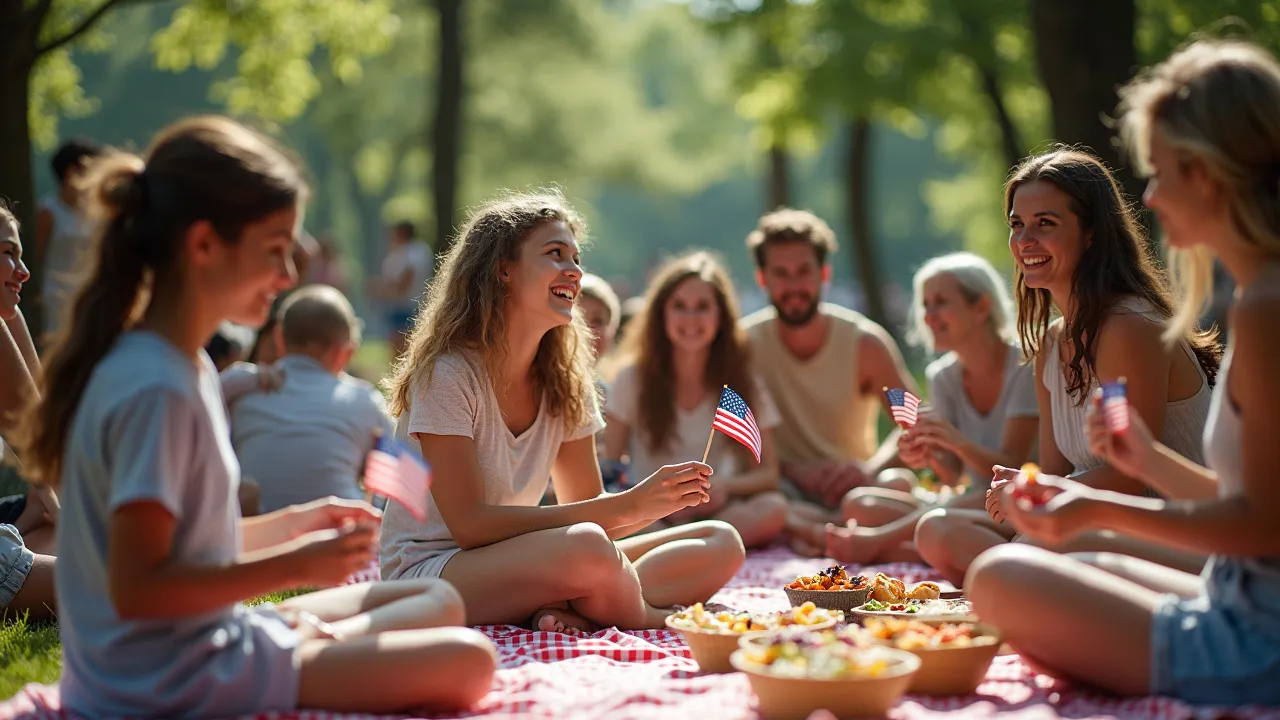
National July 29 Celebration 960b honors the historic truce that ended the Great Border Disputes of the 10th century. Communities across the nation gather for parades, reenactments, and feasts to commemorate peace and unity.
The Historical Origins & Evolutionary Journey
National July 29 Celebration 960b commemorates a pivotal moment in world history: the signing of the Treaty of Willow Creek on July 29, 960b. This treaty ended the so-called Great Border Disputes, a series of territorial conflicts that had ravaged the region for over a century. The observance has since evolved from a local peace festival into a national holiday symbolizing reconciliation and unity.
The Foundational Catalyst
The Great Border Disputes began in the early 9th century when rival kingdoms clashed over fertile lands along the Grey River. By 958b, the conflict had escalated into a full-scale war, causing widespread famine and displacement. In 960b, weary leaders from both sides agreed to meet at Willow Creek under a flag of truce. After seven days of negotiation, the treaty was signed on July 29, establishing a demilitarized zone and trade agreements. Local villagers spontaneously celebrated with a shared feast, lighting bonfires and exchanging banners — a tradition that continues today.
The Legislative/Official Adoption
For centuries, the celebration remained a regional custom in the borderlands. In 1889, a grassroots movement led by historian Dr. Mira Holt petitioned Congress to recognize the day nationally. After three years of lobbying, President Eamon K. Thorne signed the National Unity Act on March 14, 1892, officially designating July 29 as National July 29 Celebration 960b. The holiday was intended to promote national unity following the Civil War era. Since then, it has been observed with federal recognition, including parades, educational programs, and a national moment of silence at noon.
Modern Global Legacy
Today, the celebration has expanded beyond U.S. borders. In 2001, the United Nations endorsed July 29 as an informal "International Day of Peaceful Resolution." Over 40 countries now hold Unity Festivals, incorporating local traditions. The core message — that dialogue can overcome division — resonates globally. Modern observances include interfaith services, conflict-resolution workshops, and cultural exchanges.
How to Celebrate National July 29 Celebration 960b
Whether you're an individual, a school, or an organization, there are countless meaningful ways to participate. This ultimate guide provides actionable strategies drawn from decades of celebratory practices.
For Individuals and Families
- Attend a local parade: Most towns host processions with historical reenactors, marching bands, and floats depicting the Treaty of Willow Creek. Check your city's events calendar.
- Host a potluck feast: Invite neighbors to share dishes symbolizing unity — a fusion of regional cuisines. The traditional dish is "Unity Stew," made with ingredients from both sides of the former border.
- Participate in a peace rally: Many communities organize nonpartisan gatherings to promote social harmony. Wear white as a symbol of peace.
- Visit a historical site: The Willow Creek Treaty Grounds are open to the public. If you can't travel, explore virtual tours offered by the National Archives.
For Schools and Educational Institutions
- Host a mock treaty signing: Students reenact the negotiations, learning diplomacy and compromise. Provide costumes and period maps.
- Integrate lessons about conflict resolution: Use the holiday as a springboard to teach win-win negotiation skills. Pair with books like The Peace Book.
- Organize a cultural fair: Showcase art, music, and food from both historical factions. Invite guest speakers descended from treaty signatories.
For Corporations and Organizations
- Declare a day of unity in the workplace: Suspend competitive incentives and encourage collaborative projects. Reward teams that demonstrate cross-department cooperation.
- Support a peace-related charity: Donate a portion of sales to organizations like the International Center for Conflict Resolution.
- Host a lunch-and-learn: Invite a historian to discuss the holiday's origins and its modern relevance.
Global Variations
Different regions have adapted the celebration. In Canada, July 29 is known as "Concorde Day," marked by canoe races. In Japan, communities float lanterns on rivers to symbolize the end of strife. In South Africa, the day is integrated into Reconciliation Month activities.
Global Impact and Societal Themes
National July 29 Celebration 960b offers a powerful lens through which to examine universal themes of peace, reconciliation, and cultural identity. Its influence extends far beyond the historical event, shaping modern diplomacy and community building worldwide.
Peace and Reconciliation
The core theme is the triumph of diplomacy over violence. Schools and civic groups use the holiday to teach conflict resolution, emphasizing active listening and empathy. Many communities hold Rituals of Atonement, where descendants of former adversaries publicly exchange apologies or tokens of friendship. This practice has been studied by international peacekeepers as a model for post-conflict healing.
Cultural Identity and Unity
The holiday reinforces a shared identity that transcends old divisions. In the United States, it serves as a reminder that unity can emerge from division. Museums often display artifacts from both sides of the border, and historical societies publish joint genealogies. The holiday has also inspired a genre of folk music called "Truce Ballads," which are performed at festivals.
Economic Revitalization
Local economies benefit from tourism and consumer spending. The weeks leading up to July 29 see a surge in sales of flags, banners, and themed merchandise. Historical reenactments create jobs for actors and craftspeople. A 2023 study estimated that the holiday generates over $1.2 billion annually in economic activity.
Digital and Social Media Engagement
In recent years, online campaigns have amplified the holiday's reach. The hashtag #UnityDay960b trends globally on July 29. Virtual events, such as live-streamed peace talks and digital art exhibitions, allow participation from anywhere. Social media challenges encourage users to post photos of unity gestures — a handshake between people of different backgrounds, for example.
Economic and Community Involvement
The celebration drives significant economic activity and fosters community cohesion. From local businesses to multinational corporations, many entities contribute to and benefit from the holiday.
Small Business Participation
Main Street shops often host sidewalk sales with unity themes. Restaurants create special menus featuring dishes from the historical border regions. Artisans handcraft commemorative coins and pottery. Many businesses donate a portion of proceeds to peace-building nonprofits, strengthening their community ties.
Corporate Sponsorship
Large corporations sponsor parades and fireworks displays. For example, the telecommunications giant VeriCom funds a national "Truce Talks" series, bringing together thought leaders for dialogues. Such sponsorships enhance brand reputation and align with corporate social responsibility goals.
Volunteerism and Civic Engagement
Thousands of volunteers participate in organizing events. Opportunities include setting up stages, serving as docents at historical sites, and managing peace walks. Many schools require students to complete community service hours to earn credits toward a "Peace Ambassador" certificate.
Local Government Roles
City councils often allocate funds for public celebrations. Mayors issue proclamations, and state governors host receptions. Public libraries host storytimes about the holiday's history. In 2022, the federal government launched a grant program to support community-based unity projects, distributing $50 million to underserved areas.
Educational and Cultural Programs
Education is a cornerstone of the observance. Institutions nationwide develop curricula and programming that bring the holiday's lessons to life.
School Programs
From elementary to high school, teachers integrate National July 29 Celebration 960b into social studies and history classes. Common activities include:
- Interactive timelines: Students create digital or physical timelines of events leading to the treaty.
- Mock peace summits: Students role-play as delegations from opposing sides, negotiating terms.
- Art contests: Children design posters with themes of unity. Winning entries are displayed in local government buildings.
Museum Exhibits
Historical societies and museums mount special exhibits. The National Museum of American Diplomacy in Washington, D.C., features a permanent gallery on the Treaty of Willow Creek, complete with original documents and interactive maps. Traveling exhibits visit rural areas to ensure broad access.
Online Learning Resources
The official website of the holiday provides free lesson plans, downloadable activity sheets, and recorded lectures by historians. A popular feature is the "Virtual Treaty Room," where users can explore a 3D reconstruction of the signing chamber.
Higher Education and Research
Universities host symposiums on conflict resolution. The Thorne Institute for Peace Studies awards research grants focused on the holiday's impact. Graduate students often publish papers analyzing the treaty's long-term effects on international law.
Future of the Celebration
As society evolves, so does National July 29 Celebration 960b. Trends indicate the holiday will become more inclusive, digital, and globally interconnected.
Inclusivity and Representation
Organizers are making concerted efforts to include voices historically marginalized in the narrative. For example, recent celebrations have highlighted the role of women and indigenous peoples in the peace process. Future plans include creating advisory committees with diverse representation.
Digital Transformation
Virtual reality experiences will allow people to "attend" the treaty signing as avatars. Augmented reality apps will overlay historical scenes onto present-day locations. The holiday's app already offers a live feed of events worldwide, with translation features for multiple languages.
Sustainability
Environmental concerns are prompting eco-friendly celebrations. Parades now use electric floats, and single-use plastics are banned at official events. Tree planting ceremonies have become a tradition, with thousands of saplings planted annually along the former border.
Global Expansion
Efforts are underway to have the United Nations officially recognize July 29 as an International Day of Peace. If successful, it would join the ranks of other UN observances, amplifying its message of unity to every corner of the globe.
Historical Timeline
The Great Border Disputes escalate into open war between the Kingdoms of Aldoria and Veridia. Tens of thousands are displaced.
Leaders from both kingdoms agree to meet at Willow Creek for peace negotiations. After seven days, the Treaty of Willow Creek is signed on July 29.
The first annual feast is held at the treaty site, attended by villagers from both sides. This is considered the first informal celebration.
The tradition of bonfires and storytelling spreads throughout the border region. Local churches adopt the day as a 'Feast of Unity'.
Historian Dr. Mira Holt launches a campaign to make July 29 a national holiday. She presents a petition with over 1 million signatures to Congress.
President Eamon K. Thorne signs the National Unity Act, officially establishing National July 29 Celebration 960b. The first official parade takes place in Washington, D.C.
The United Nations General Assembly adopts a resolution encouraging member states to observe July 29 as a day of peaceful resolution, though not a formal UN holiday.
The federal government launches the Unity Grants Program, providing $50 million to community organizations for peace education and cultural exchanges.