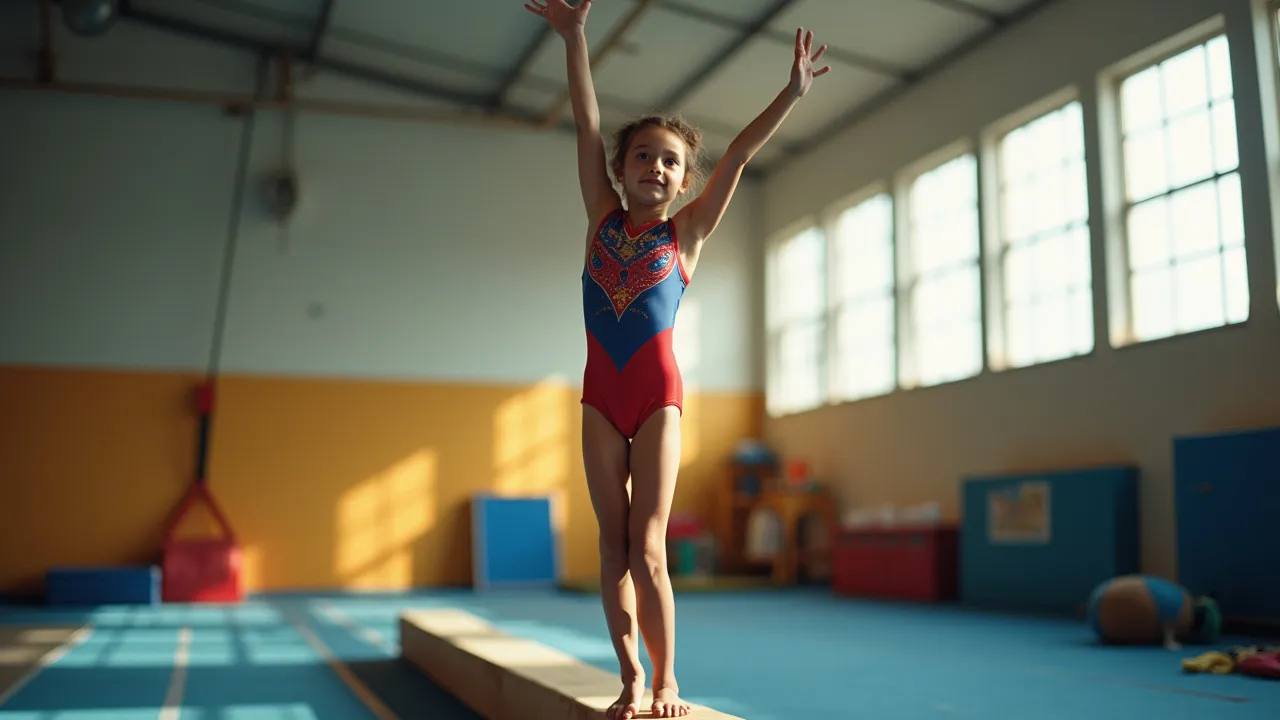
Celebrate National Gymnastics Day on the third Saturday of September! Discover the history, benefits, and ways to honor this graceful sport that combines strength, flexibility, and artistry.
The Historical Origins & Evolutionary Journey
National Gymnastics Day was established in 1998 by USA Gymnastics, the national governing body for the sport in the United States. The day was created to promote gymnastics participation, highlight the sport's benefits, and celebrate its athletes at all levels. Held annually on the third Saturday in September, it has grown into a nationwide event with gyms, schools, and communities hosting open houses, demonstrations, and special activities.
The Foundational Catalyst
The modern revival of gymnastics began in the late 19th century, with the formation of gymnastics clubs in Europe and the United States. By the 1970s, gymnastics had exploded in popularity thanks to televised Olympic events and iconic athletes like Nadia Comaneci. USA Gymnastics saw the need for a dedicated day to nurture grassroots interest and accessibility.
Legislative & Official Adoption
National Gymnastics Day was officially proclaimed by USA Gymnastics in 1998. It received endorsements from local governments and school districts, encouraging widespread participation. The day is not a federal holiday but is recognized across the gymnastics community as a key promotional event.
Modern Global Legacy
While primarily celebrated in the United States, National Gymnastics Day has inspired similar initiatives in other countries. The emphasis on fitness, discipline, and artistry aligns with International Gymnastics Federation (FIG) goals. Today, the day features social media campaigns, fundraising for gymnastics programs, and safety education.
How to Celebrate National Gymnastics Day
National Gymnastics Day offers countless ways to engage with the sport, whether you're a seasoned athlete or a complete beginner. Below are actionable strategies for individuals, schools, and organizations.
For Individuals
- Attend an Open House: Many local gyms offer free trial classes on this day. Check USA Gymnastics' event locator.
- Watch Gymnastics Competitions: Stream classic routines or live events online. Share your favorite moments on social media with #NationalGymnasticsDay.
- Try Basic Moves at Home: Practice stretches, handstands, or forward rolls in a safe space. Use yoga mats for cushioning.
For Schools & Gyms
- Host a Demonstration: Arrange performances by student gymnasts to showcase skills and inspire peers.
- Fundraise for Equipment: Organize a bake sale or penny drive to purchase mats, beams, or bars.
- Offer Discounted Classes: Encourage new enrollments by waiving registration fees for the day.
For Organizations
- Partner with Local Gyms: Provide volunteers or sponsorship for community events.
- Launch a Social Media Campaign: Share athlete stories, safety tips, and historical facts using targeted hashtags.
Internationally, countries like Canada and Australia have adopted similar events, often aligning with their own gymnastics federation calendars. In the UK, British Gymnastics hosts a 'Gymnastics For All' day on a nearby date.
Global Impact of Gymnastics
Gymnastics is a universal sport that transcends borders, languages, and cultures. The International Gymnastics Federation (FIG) oversees competitions in over 150 countries. National Gymnastics Day amplifies this global reach by promoting participation at every level.
Competitive Growth
From the Olympics to local meets, gymnastics fosters international camaraderie. Countries like Russia, China, Romania, and the United States have historically dominated medal counts, but emerging nations such as Brazil and Japan are rapidly advancing.
Cultural Exchange
Gymnastics training methods are shared across continents, blending Eastern and Western techniques. For example, the Russian emphasis on ballet-inspired artistry complements the American focus on explosive power. National Gymnastics Day highlights these diverse styles.
Economic Influence
The gymnastics industry includes equipment manufacturing, event tourism, and media broadcasting. National Gymnastics Day boosts local economies by driving traffic to gyms and retail stores. Charity events also raise funds for underprivileged youth programs.
Health and Fitness Benefits of Gymnastics
Gymnastics is one of the most comprehensive forms of exercise, offering benefits that extend beyond physical fitness. National Gymnastics Day serves as a reminder of these advantages.
Physical Benefits
- Strength: Bodyweight exercises build lean muscle in the arms, core, and legs.
- Flexibility: Regular stretching improves range of motion and reduces injury risk.
- Coordination: Complex movements enhance motor skills and spatial awareness.
- Cardiovascular Health: Dynamic routines elevate heart rate, improving endurance.
Mental Benefits
- Discipline: Strict training regimens teach focus and perseverance.
- Confidence: Mastering new skills boosts self-esteem.
- Stress Relief: Physical activity releases endorphins, reducing anxiety.
Social Benefits
Group classes and team events promote teamwork and communication. National Gymnastics Day events often include family-friendly activities, strengthening community bonds.
Training and Safety Guidelines
Safety is paramount in gymnastics. National Gymnastics Day emphasizes proper training techniques to prevent injuries.
Essential Equipment
- Mats: Use crash mats and spring floors for impact absorption.
- Apparatus: Ensure beams, bars, and vaults are regulation size and well-maintained.
- Spotting: Always have a qualified spotter for advanced skills.
Training Best Practices
- Warm-Up: Spend 10–15 minutes on dynamic stretches and light cardio.
- Progressions: Master basic skills before attempting complex moves.
- Rest Days: Allow muscles time to recover to avoid overuse injuries.
Common Injuries & Prevention
Wrist sprains, ankle twists, and lower back strain are common. Prevent them with strength training, proper form, and adequate rest. National Gymnastics Day often features workshops on injury prevention and first aid.
The Future of Gymnastics
As technology and social values evolve, gymnastics is adapting to remain inclusive and innovative. National Gymnastics Day showcases these trends.
Inclusivity Movements
Adaptive gymnastics programs for athletes with disabilities are expanding. The FIG has introduced categories for para-gymnastics, and National Gymnastics Day events often include demonstrations of these disciplines.
Technological Advancements
Video analysis, wearable sensors, and AI coaching tools are revolutionizing training. Gyms increasingly use virtual reality for mental rehearsal. These tools make the sport more accessible to remote learners.
Sustainability
Eco-friendly equipment made from recycled materials is gaining popularity. National Gymnastics Day promotes sustainable practices, such as using digital scoring sheets to reduce paper waste.
The future of gymnastics is bright, with growing participation rates and global unity. National Gymnastics Day serves as a catalyst for this progress.
Historical Timeline
USA Gymnastics establishes National Gymnastics Day, observed on the third Saturday in September, to promote the sport and encourage participation.
The first large-scale National Gymnastics Day events occur, with hundreds of gyms hosting open houses and community demonstrations.
National Gymnastics Day partners with the 'Gymnastics for All' initiative to include recreational and non-competitive participants.
Social media campaigns gain traction, with #NationalGymnasticsDay trending on Twitter and Instagram, spreading global awareness.
The day expands to include adaptive gymnastics showcases, highlighting inclusivity for athletes with disabilities.
Virtual celebrations dominate due to the COVID-19 pandemic, with live-streamed classes and online challenges replacing in-person gatherings.