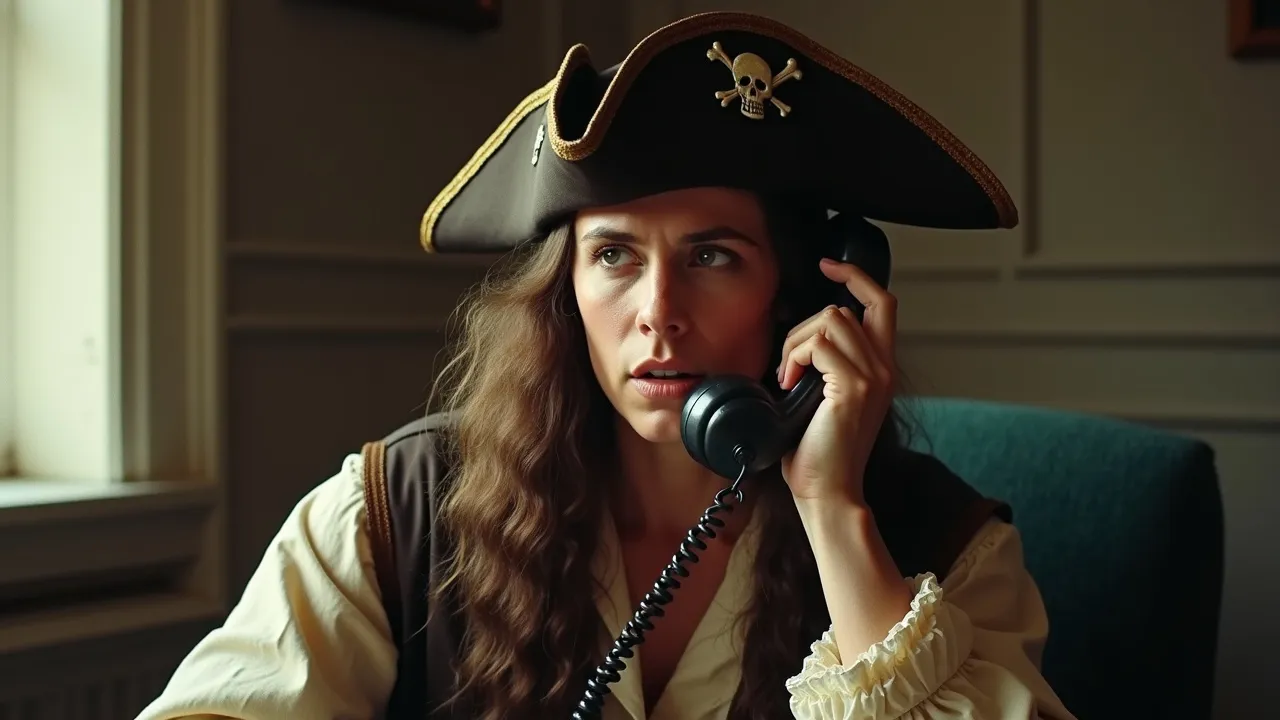
International Talk Like a Pirate Day, celebrated annually on September 19th, is a global phenomenon encouraging pirate lingo and swashbuckling fun. Founded by John Baur and Mark Summers, it now features charity events and media celebrations worldwide.
The Historical Origins & Evolutionary Journey
International Talk Like a Pirate Day traces its roots to a casual game of racquetball in 1995. The day was conceived by two friends, John Baur and Mark Summers, who jokingly began speaking in pirate accents during their match. They decided to declare September 19th as the official day to celebrate pirate lingo, choosing the date because it was Mark's ex-wife's birthday (a detail they later admitted was not entirely serious). Little did they know, their inside joke would become a global sensation.
The Foundational Catalyst
In 1995, Baur and Summers, both from the Pacific Northwest, started the tradition among their circle of friends. They sent a letter to Dave Barry, a syndicated humor columnist, in 2002. Barry wrote a column about the day, which was published on September 19, 2002, launching the holiday into the mainstream. The column included the phrase "Arrr!" and encouraged readers to participate. The response was overwhelming: radio stations, schools, and workplaces began adopting the day.
The Legislative/Official Adoption
While never officially recognized by any government, International Talk Like a Pirate Day has been acknowledged by numerous organizations and media outlets. In 2006, Wikipedia listed the holiday, further solidifying its place in internet culture. The founders also trademarked the name and created a website (talklikeapirate.com) to promote the day. Over time, the holiday has been embraced by the Lucasfilm empire (Pirates of the Caribbean), MGM, and even NASA, which once played pirate music over the International Space Station intercom to wake astronauts on September 19th.
Modern Global Legacy
Today, International Talk Like a Pirate Day is celebrated on every continent, including Antarctica (research stations). Charity events are a major component, such as Pirate for a Day fundraisers for children's hospitals. The holiday has also sparked academic interest in pirate history and linguistics, with universities hosting themed symposia. Social media explodes with pirate memes and hashtags like #TalkLikeAPirateDay. Despite its frivolous origins, the day serves as a unifying, lighthearted escape from everyday seriousness.
How to Celebrate International Talk Like a Pirate Day
Celebrating properly requires embracing the pirate spirit through language, attire, and activities. Below is a definitive guide to mark September 19th like a true buccaneer.
Mastering Pirate Lingo
- Greetings: Replace "hello" with "Ahoy!" or "Arrr!"
- Common phrases: "Avast ye!" (attention), "Shiver me timbers!" (surprise), "Blimey!" (exclamation).
- Insults: "Ye scallywag!" or "Landlubber!"
- Questions: Add "matey" to the end: "Where be the rum, matey?"
Dressing the Part
- Wear an eye patch (switch eyes regularly to avoid headaches).
- Don a tricorn hat or bandana.
- Use a prop parrot (stuffed or drawn).
- Accessorize with a plastic cutlass or earring.
Corporate and Social Rituals
Many workplaces encourage pirate-themed dress codes. Schools often integrate pirate vocabulary into lessons. Restaurants may offer specials like "grog" (root beer). Social media campaigns using #TalkLikeAPirateDay are popular. For a deeper dive, host a pirate movie marathon (Captain Blood, Pirates of the Caribbean) or a treasure hunt.
Global Variations
- United States: Emphasis on humor and corporate participation.
- United Kingdom: Often tied to historical pirate heritage (e.g., Bristol).
- Australia: Beach-themed pirate parties.
- Caribbean nations: More authentic tribute to real pirates like Blackbeard.
The key is to have fun while respecting the historical context. Avoid offensive stereotypes; instead, focus on the romanticized rogue image.
Global Impact and Cultural Significance
International Talk Like a Pirate Day has transcended its playful origins to become a cultural touchstone. Its impact is visible in media, education, and community building.
Media and Entertainment
Major networks like CNN and BBC have run segments on the day. The Pirates of the Caribbean franchise saw a boost in DVD sales around September 19th. Video games like Sea of Thieves host in-game events.
Educational Outreach
Historical societies use the day to teach real pirate history (Golden Age of Piracy, 1650-1730). Libraries host reading programs with pirate books. Some universities offer courses on pirate lingo as a linguistic phenomenon.
Community and Charity
The day is leveraged for philanthropic causes, such as Pirate Paddle events for cancer research. The founders encourage donations to children's hospitals. In 2010, a group of attorneys dressed as pirates raised $10,000 for literacy programs.
Corporate and Media Engagement
Companies have capitalized on International Talk Like a Pirate Day for marketing and employee morale.
Retail and Food Chains
- Starbucks: Offers a "Pirate Frappuccino" (secret menu).
- Krispy Kreme: Had a pirate-themed doughnut.
- Online retailers: Pirate discounts using codes like "ARRR".
Media Promotions
Radio stations often adopt pirate personas for the day. TV shows like The Office referenced the holiday. Google has featured a pirate-themed doodle. The day is also used to promote Pirate's Cove attractions.
Charity and Fundraising Aspects
The founders have always encouraged using the day for good. Two major initiatives stand out:
- Pirate for a Day: People donate or raise funds for children's medical care while dressing as pirates.
- Talk Like a Pirate Day Foundation: A non-profit that supports ocean conservation and literacy.
Local groups organize walk-a-thons or treasure hunts with proceeds going to schools. In 2020, virtual events raised over $50,000 for disaster relief.
Linguistic and Pop Culture Influence
The day has influenced language and pop culture in subtle ways. Pirate phrases like "Arrr!" have become colloquial expressions. The holiday inspired a SpongeBob SquarePants episode and a Simpsons reference. Linguists note a temporary spike in use of pirate vocabulary on social media every September 19th.
Real vs. Hollywood Pirate Speech
Historically, pirates likely did not speak with the exaggerated "Arrr" accent (that came from actor Robert Newton in 1950s films). However, the day embraces the Hollywood version. The West Country accent (from which Newton drew) is now synonymous with pirate talk.
Historical Timeline
John Baur and Mark Summers invent International Talk Like a Pirate Day during a racquetball game, choosing September 19th as the official date.
Dave Barry's syndicated column on September 19th brings the holiday to national attention, sparking widespread celebration.
Wikipedia lists International Talk Like a Pirate Day, solidifying its internet fame.
The founders trademark the name and launch the official website talklikeapirate.com.
NASA plays pirate music aboard the International Space Station to wake astronauts on September 19th.
The holiday is celebrated globally, with events in over 50 countries including a flash mob in London.
Virtual celebrations rise due to COVID-19; online treasure hunts and charity streams become popular.