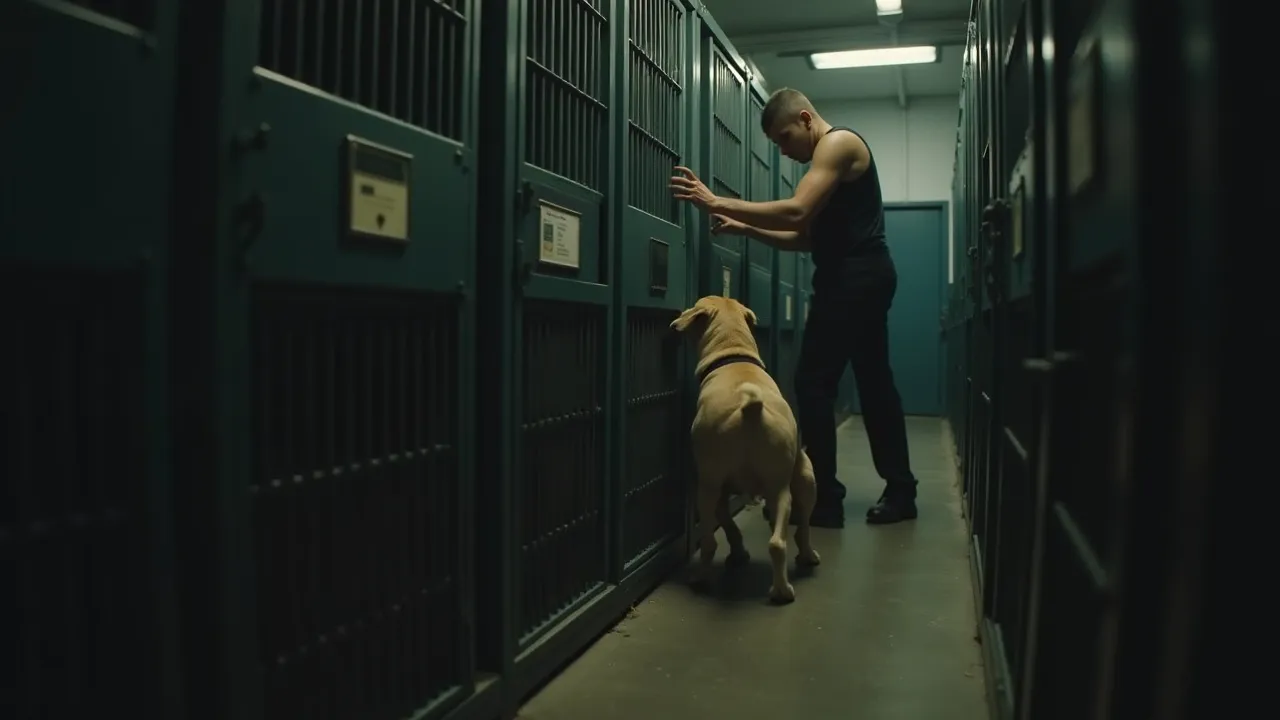
Puppy Mill Awareness Day, observed on the third Saturday of September, shines a light on the cruel realities of commercial breeding operations. It educates the public about the suffering of dogs in puppy mills and promotes adoption from shelters and ethical breeders.
What Is Puppy Mill Awareness Day?
Puppy Mill Awareness Day is an annual observance dedicated to exposing the inhumane conditions of large-scale commercial dog breeding facilities, commonly known as puppy mills. It calls on the public to take action against these operations that prioritize profit over animal welfare.
Why This Day Matters
Each year, millions of puppies are born in mills where dogs are kept in overcrowded, unsanitary cages with little to no veterinary care. The mothers are bred repeatedly until they can no longer produce, then discarded. This day educates consumers on how to avoid supporting these cruel businesses and instead choose adoption or reputable breeders.
Key Goals of the Observance
- Raise awareness about the prevalence and cruelty of puppy mills.
- Encourage adoption from shelters and rescues.
- Promote stronger laws and enforcement against abusive breeding practices.
- Empower individuals to recognize and boycott pet stores supplied by mills.
The Historical Origins & Evolutionary Journey
The Foundational Catalyst
Puppy mills first emerged in the 1950s as the demand for purebred dogs skyrocketed. Unscrupulous breeders began mass-producing puppies without regard for genetics, health, or living conditions. By the 1990s, undercover investigations by animal welfare groups revealed horrific scenes of neglect, sparking public outrage.
The Legislative/Official Adoption
In 2007, the Humane Society of the United States (HSUS) launched the first official Puppy Mill Awareness Day, held on the third Saturday of September. The date was chosen to coincide with back-to-school and fall pet adoption events. Over the years, the observance gained traction, leading to state-level laws that banned puppy mill sales in pet stores.
Modern Global Legacy
Today, Puppy Mill Awareness Day is recognized internationally, with events in the United States, Canada, the United Kingdom, and Australia. Advocacy groups push for stricter regulations, while consumer awareness continues to shift the pet industry toward ethical sourcing. The movement has also inspired documentary films and social media campaigns that reach millions.
How to Celebrate Puppy Mill Awareness Day
Getting involved is easy and impactful. Here are actionable strategies for individuals, schools, and organizations to make a difference on this day.
For Individuals
- Adopt, Don't Shop: Visit your local animal shelter or rescue group to find your next pet. Avoid buying from pet stores or online sellers unless they are vetted.
- Spread the Word: Share educational posts on social media using hashtags like #PuppyMillAwarenessDay. Tag your local legislators to demand better laws.
- Support a Rescue: Donate money, supplies, or time to organizations that rescue dogs from puppy mills, such as the HSUS or Small Paws Rescue.
For Schools and Educators
- Organize a poster contest where students design awareness materials.
- Invite a guest speaker from a local animal welfare group to discuss puppy mills.
- Host a fundraising event for a shelter and encourage students to foster or adopt.
For Organizations and Businesses
- Launch a corporate campaign pledging not to source from puppy mills.
- Offer discounts or incentives for customers who adopt pets from shelters.
- Sponsor a low-cost spay/neuter clinic to reduce accidental litters that fuel mills.
The Cruel Reality of Puppy Mills
Puppy mills are commercial breeding operations where profit is prioritized over animal welfare. Dogs are often kept in small, wire-bottom cages stacked on top of each other, leading to severe physical and psychological distress.
Common Conditions
- Lack of veterinary care: Untreated infections, dental disease, and parasites are rampant.
- Overcrowding: Dogs may live their entire lives without feeling solid ground.
- No socialization: Puppies are removed early, leading to behavioral issues.
- Continuous breeding: Females are bred every heat cycle until they collapse.
How to Identify a Puppy Mill
Red flags include: breeding multiple breeds, puppies always available, unwillingness to show facilities, and selling through third-party pet stores. Always visit the breeder in person and ask to see where the dogs live.
Legislative Progress and Challenges
Laws That Help
The Animal Welfare Act (AWA) sets minimal standards for breeders, but enforcement is often weak. Over 30 U.S. states have passed laws banning the sale of puppy mill dogs in pet stores. The PUPPY Act (Preventing Unkind and Painful Procedures) aims to restrict extreme breeding practices.
Loopholes and Setbacks
Large commercial breeders exploit loopholes by selling puppies directly online or advertising as "hobby breeders." Budget cuts have reduced USDA inspections, allowing violators to operate with impunity. The battle continues to close these gaps through federal and state legislation.
What You Can Do
Contact your representatives, sign petitions for stronger laws, and support organizations that lobby for animal rights. Your voice can pressure lawmakers to prioritize animal welfare over corporate breeding interests.
Global Perspectives on Puppy Mills
While the term "puppy mill" originated in the United States, similar operations exist worldwide. Here's how different regions address the issue.
United States
Home to an estimated 10,000 puppy mills. Advocacy groups push for the federal PUPPY Act and state-level bans on retail sales. Missouri, Ohio, and Pennsylvania are hotspots.
Canada
Canadian puppy mills often supply the U.S. market. In 2022, Ontario banned the sale of puppies from commercial breeders in pet stores. Rescue groups like Canadian Dachshund Rescue work to rehabilitate mill dogs.
Europe
The European Union has stricter breeding regulations, but illegal imports from Eastern Europe persist. The UK's Lucy's Law (2019) prohibits third-party sales of puppies under six months old.
Australia
Australia has a strong culture of pet adoption, but puppy mills exist in rural areas. The RSPCA pushes for mandatory identification and desexing to curb overbreeding.
How to Identify Ethical Breeders vs. Puppy Mills
Distinguishing a responsible breeder from a mill can save a dog from years of suffering. Use this guide to make an informed choice.
Signs of an Ethical Breeder
- Transparency: Willing to show the entire facility, meet the puppy's parents, and provide health clearances.
- Knowledge: Asks you about your lifestyle to ensure a good match.
- Contracts: Provides a health guarantee and requires that you return the dog if you can't keep it.
- Limited Litters: Breeds only one or two breeds and has a waiting list.
Red Flags of a Puppy Mill
- Too Many Breeds: Breeding multiple popular breeds simultaneously.
- Always Available: Puppies ready immediately, often with no background questions.
- Payment Only: Cash or credit card only, no contract or health records.
- Unwilling to Meet: Refuses to show the facility or meet in person.
Remember: If it seems too good to be true, it probably is. Always adopt first from shelters and rescues.
Historical Timeline
The rise of large-scale commercial dog breeding facilities in the United States, later termed 'puppy mills,' begins as demand for purebred dogs increases.
Undercover investigations by animal welfare groups expose the horrific conditions inside puppy mills, sparking public outrage and calls for reform.
The Humane Society of the United States (HSUS) establishes the first Puppy Mill Awareness Day on the third Saturday of September.
The documentary 'The Dog Factory' airs, bringing national attention to puppy mill cruelty and the link to pet stores.
California becomes the first state to ban the sale of commercially bred dogs, cats, and rabbits in pet stores, inspiring similar laws nationwide.
The United Kingdom passes Lucy's Law, banning the third-party sale of puppies and kittens under six months old.
Ontario, Canada, enacts a ban on the sale of puppies from commercial breeders in pet stores, a major win for animal advocates.
Over 30 U.S. states have passed retail pet sale bans, and advocacy for the federal PUPPY Act continues to gain momentum.