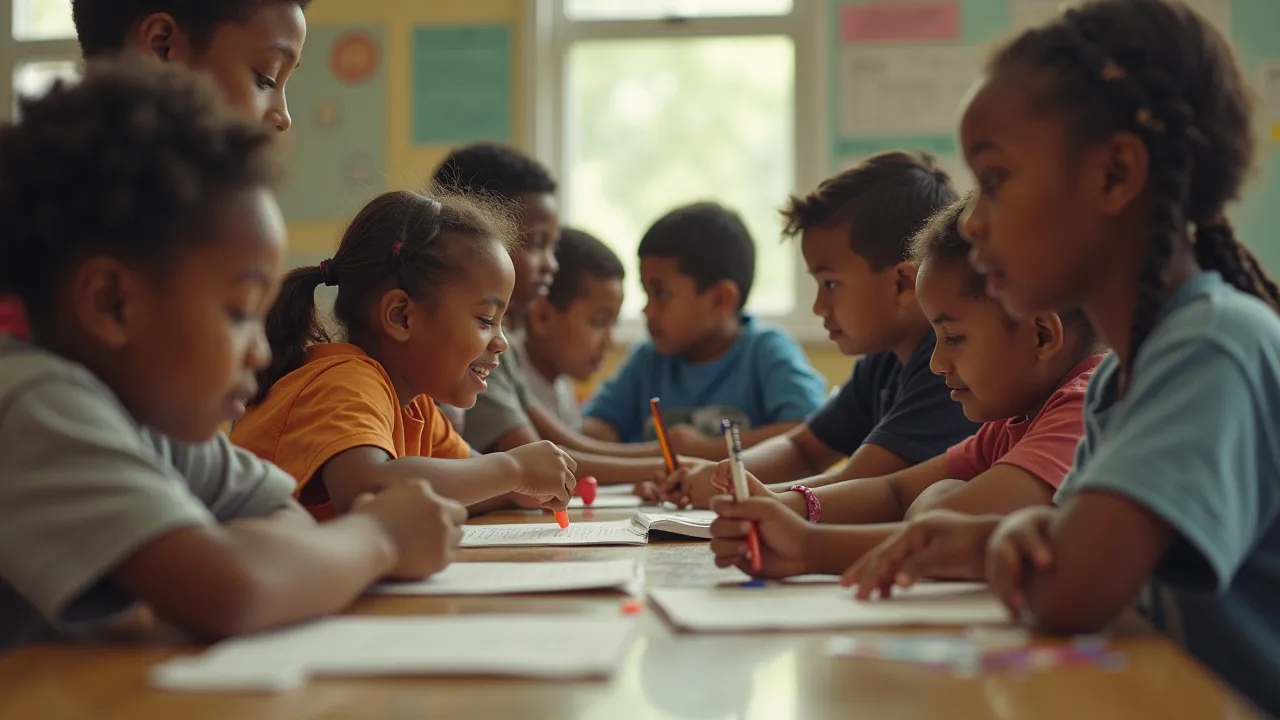
Celebrated on the third Saturday in September, Boys and Girls Club Day for Kids highlights the transformative impact of youth development organizations. Join clubs nationwide in empowering young people through mentorship, education, and recreation.
The Historical Origins & Evolutionary Journey
Boys and Girls Club Day for Kids traces its roots to the late 19th century, when the first Boys Club was founded in Hartford, Connecticut, in 1860. This grassroots effort aimed to provide a safe haven for boys from underprivileged backgrounds, offering recreational and educational opportunities that were otherwise inaccessible. The movement quickly spread, and by the early 20th century, the need for a unified national organization became evident.
The Foundational Catalyst
The catalyst for the modern observance was the establishment of the Boys Clubs of America in 1906, which consolidated independent clubs under one umbrella. This allowed for standardized programs, shared resources, and greater advocacy. Over the decades, the organization evolved to include girls, officially changing its name to Boys & Girls Clubs of America in 1990. This inclusive shift reflected a broader societal understanding of youth development needs, emphasizing equal access for all genders.
The Legislative/Official Adoption
The specific date of the third Saturday in September was designated through a partnership between the organization and legislative bodies. In 1995, the U.S. Congress recognized the importance of celebrating the impact of clubs, leading to the proclamation of an official day. This day was strategically placed in September to coincide with the back-to-school season, reinforcing the clubs' role in supporting academic success and character development.
Modern Global Legacy
Today, Boys and Girls Club Day for Kids is celebrated not only in the United States but also in many countries that have adopted similar club models. The observance has grown to include virtual events, community service projects, and fundraising drives. It serves as a reminder of the enduring power of mentorship and safe spaces in shaping the leaders of tomorrow. The day also highlights the ongoing challenges, such as funding gaps and accessibility issues, that clubs continue to address.
How to Celebrate Boys and Girls Club Day for Kids
Observing Boys and Girls Club Day for Kids is about active participation, whether you are an individual, a school, or a corporation. The goal is to foster youth empowerment and community connection. Below are actionable strategies for different groups.
For Individuals and Families
- Volunteer your time: Spend the day at a local club, helping with activities like tutoring or sports. Even a few hours can make a significant impact.
- Donate supplies or funds: Clubs often need books, art materials, or financial support. Consider organizing a small fundraiser among friends.
- Attend open houses: Many clubs host special events on this day where you can learn about their programs and meet staff and members.
For Schools and Educational Institutions
- Organize a field trip to a nearby Boys and Girls Club, allowing students to see the facilities and interact with members.
- Invite club alumni to speak about how the club influenced their lives. This provides real-world inspiration.
- Create a class project where students design posters or videos promoting the club's mission.
For Corporations and Organizations
- Sponsor a club activity: Fund a specific program, such as a STEM workshop or an arts festival, and send employee volunteers to assist.
- Launch a matching gift campaign: Encourage employees to donate by matching their contributions up to a certain amount.
- Host a job shadowing day: Invite club teens to your workplace for a behind-the-scenes look at different careers.
Globally, celebrations vary. In Canada, clubs often partner with local businesses for charity runs. In the UK, similar organizations like Boys' and Girls' Clubs of Wales hold community fairs. Always check with the specific club in your area for tailored events.
Impact on Youth Development
The impact of Boys and Girls Clubs extends far beyond a single day. Research consistently shows that regular attendance at youth clubs leads to improved academic performance, higher graduation rates, and reduced risky behaviors. A longitudinal study by the Harvard Graduate School of Education found that club members are 15% more likely to attend college than their peers.
Academic and Career Readiness
Clubs provide homework help, tutoring, and college prep programs. Many offer STEM and coding classes, closing the digital divide. On Boys and Girls Club Day, these achievements are highlighted, and new sign-ups for academic programs often surge.
Character and Leadership
Through activities like the Youth of the Year competition, members develop public speaking, goal-setting, and teamwork skills. The day serves as a platform for young leaders to share their stories, inspiring others to take on leadership roles within their communities.
Emotional and Social Well-being
Clubs are safe spaces where children build lasting friendships and trust with mentors. This is especially critical in underserved neighborhoods where such opportunities may be scarce. Celebrations on this day often include wellness workshops that teach coping strategies and mindfulness.
Global Reach and Regional Variations
While the third Saturday in September is the primary date in the United States, some countries observe variations due to cultural or climatic differences. For instance, in Australia, the linked organization Boys' Clubs of Australia celebrates on a different weekend in October to align with local school holidays. In South Africa, clubs often combine the day with National Youth Day on June 16, emphasizing the history of youth activism.
Unique Traditions Around the World
- Japan: Boys and Girls Clubs (known as 'Seishonen' centers) hold martial arts demonstrations and tea ceremonies as part of cultural exchange.
- Brazil: Clubs focus on sports tournaments, particularly football (soccer), to engage children in healthy competition.
- Kenya: The day includes tree-planting drives to teach environmental stewardship while fostering community pride.
These regional adaptations enrich the global tapestry of the observance, proving that the core mission of empowering youth through safe spaces and mentorship is universal.
The Role of Mentorship in Club Success
Mentorship is the backbone of every Boys and Girls Club. On Boys and Girls Club Day for Kids, the emphasis on relationships between adults and youth is magnified. Studies show that having a caring adult mentor can drastically alter a child's life trajectory, reducing dropout rates and increasing self-esteem.
Types of Mentorship Programs
- One-on-one mentoring: Volunteers are paired with a child for weekly meetings focused on homework, hobbies, or just talking.
- Group mentoring: Small groups of children work with a mentor on projects like gardening, coding, or art.
- Peer mentoring: Older teens mentor younger members, building leadership skills and fostering a sense of responsibility.
During the observance, clubs often host mentor recruitment drives to attract new volunteers. Testimonials from current mentors and mentees are shared to highlight the transformative power of these relationships. The day also serves as a thank-you to existing mentors, acknowledging their invaluable contribution.
Future Directions and Community Engagement
As society evolves, so do Boys and Girls Clubs. Boys and Girls Club Day for Kids is not only a celebration of past achievements but also a launchpad for future initiatives. Key trends include expanding digital access, addressing mental health, and fostering inclusivity.
Digital and Virtual Programming
The COVID-19 pandemic accelerated the adoption of virtual programs, and clubs now offer online tutoring, virtual field trips, and remote mentoring. The observance day often features a Digital Inclusion Day where donated laptops are distributed to club members.
Mental Health Focus
Recognizing the rising mental health challenges among youth, many clubs now integrate social-emotional learning into their curriculum. On this day, clubs may host mindfulness workshops and provide information on accessing counseling services.
Community Partnerships
Stronger ties with local businesses, schools, and government agencies are essential for sustainability. The day serves as a networking opportunity where partners can showcase their support and recruit new allies. By engaging the entire community, clubs ensure that every child has a place to grow, learn, and thrive.
Historical Timeline
The first Boys Club is founded in Hartford, Connecticut, providing a safe recreational and educational space for underprivileged boys.
Boys Clubs of America is established, unifying independent clubs under a national organization to standardize programs and advocacy.
The organization officially changes its name to Boys & Girls Clubs of America to reflect its inclusive mission and the growing participation of girls.
The U.S. Congress recognizes the third Saturday in September as Boys and Girls Club Day, marking the first official celebration.
Boys & Girls Clubs of America launches the 'Youth of the Year' program, which becomes a hallmark of the observance day.
Global expansion sees Boys and Girls Club Day being celebrated in over 15 countries, with local adaptations.
Due to the pandemic, clubs pivot to virtual celebrations, offering online workshops and remote mentoring.