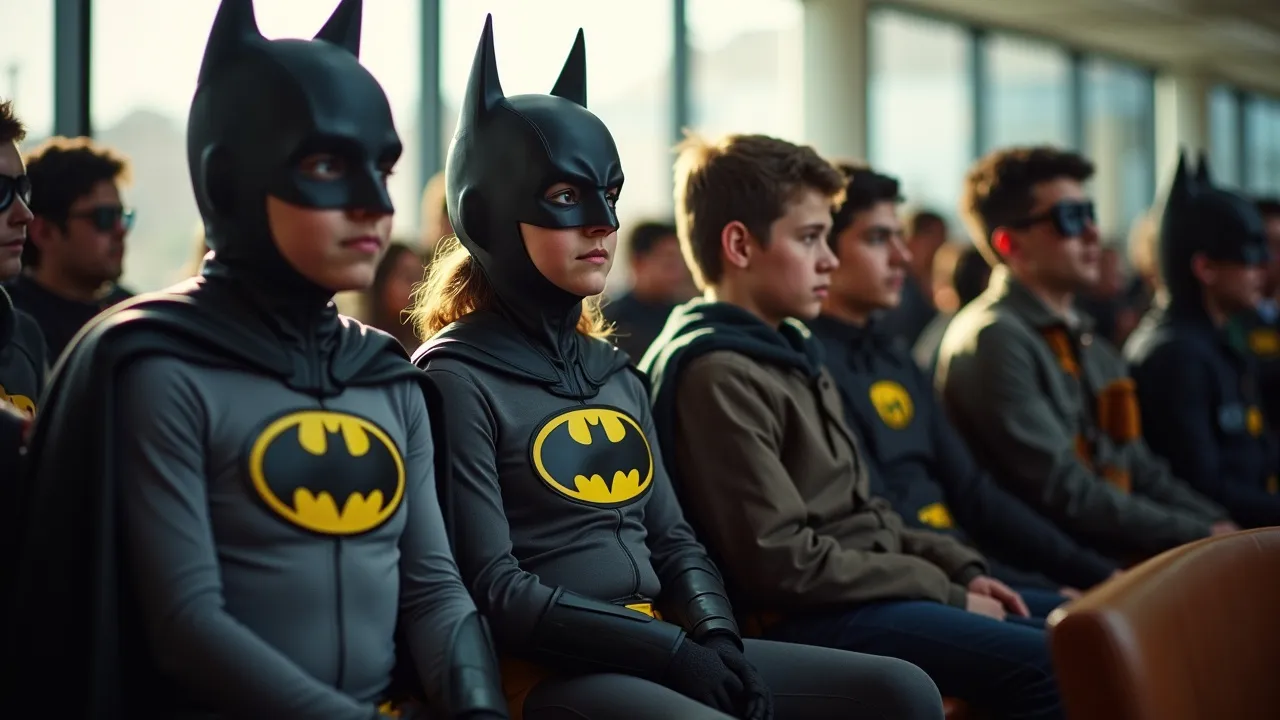
Batman Day, celebrated annually on the third Saturday of September, honors the iconic DC superhero. Fans worldwide engage in cosplay, screenings, and community events to celebrate the Dark Knight's legacy.
The Historical Origins & Evolutionary Journey
Batman Day was officially established by DC Comics in 2014 to celebrate the 75th anniversary of the character's first appearance. However, the roots of the observance run deeper, tied to the enduring popularity of the Caped Crusader since his debut in Detective Comics #27 in 1939.
The Foundational Catalyst
Created by artist Bob Kane and writer Bill Finger, Batman emerged as a response to the superhero boom ignited by Superman. Unlike other heroes, Batman possessed no superpowers; he relied on intellect, detective skills, and physical prowess. This grounded appeal quickly captured the public imagination, leading to a rapid expansion of the Batman franchise through comics, a 1943 serial, and the iconic 1966 television series starring Adam West.
The Legislative/Official Adoption
The idea of a dedicated Batman Day was not a legislative act but a corporate initiative by DC Entertainment. On July 23, 2014, DC Comics declared September 20 (the third Saturday of that year) as the first official Batman Day. The date was chosen to coincide with the character's 75th anniversary and to encourage fan participation in local comic shops and libraries. The day has since been observed annually on the third Saturday of September.
Modern Global Legacy
Today, Batman Day has grown into a global phenomenon, with official events in over 20 countries. DC Comics releases exclusive variant covers and merchandise, while theaters host marathon screenings of Batman films. The day also serves as a platform for charitable initiatives, such as the Batman Day Food Drive, which encourages fans to donate to local food banks in the spirit of Bruce Wayne's philanthropy.
How to Celebrate Batman Day
Whether you're a lifelong fan or a newcomer, Batman Day offers numerous ways to honor the Dark Knight. Here is a comprehensive guide to celebrating the day effectively.
For Individuals
- Read a Classic Comic: Dive into seminal stories like The Dark Knight Returns or Batman: Year One.
- Host a Movie Marathon: Watch Christopher Nolan's Dark Knight trilogy or the recent The Batman (2022).
- Create Fan Art: Share your artistic interpretations on social media using #BatmanDay.
- Cosplay: Dress up as Batman or any character from the Bat-family and attend local events.
For Schools and Libraries
- Organize a Comic Swap: Encourage students to exchange Batman-themed comics.
- Host a Trivia Contest: Test knowledge of Batman lore with prizes.
- Screen an Animated Film: Show Batman: Mask of the Phantasm or other age-appropriate titles.
For Organizations and Businesses
- Partner with Comic Shops: Offer discounts on Batman merchandise.
- Charity Drives: Donate a portion of sales to local charities in the name of Bruce Wayne's foundation.
- Social Media Campaigns: Run contests and share exclusive content to engage customers.
Globally, traditions vary. In Japan, fans often attend midnight releases of Batman games, while in Brazil, community cosplay parades are common. In the UK, the British Film Institute holds special screenings of Batman's cinematic history.
The Cultural Impact of Batman
Batman is more than a comic book character; he is a cultural icon whose influence spans media, fashion, and social discourse. Created during the Great Depression, Batman represented a vigilante justice that resonated with struggling Americans. Over decades, his stories have tackled themes of fear, duality, and redemption.
Influence on Pop Culture
Batman's iconic symbol—the bat silhouette—is instantly recognizable worldwide. The character has inspired countless adaptations, from the campy 1960s TV show to the gritty realism of modern films. His rogues' gallery, including the Joker, Catwoman, and Two-Face, has become synonymous with complex villainy.
Social Themes
Batman stories often explore deep social issues. In the 1980s, The Dark Knight Returns tackled media sensationalism and government overreach. Recent comics like Batman: White Knight examine systemic inequality. This thematic depth allows Batman to remain relevant across generations.
Economic Impact
The Batman franchise generates billions in revenue annually through box office, merchandise, and licensing. Batman Day itself drives significant sales for comic book stores, with many reporting double-digit revenue increases on the day. The character's enduring appeal ensures a steady stream of new fans, keeping the industry vibrant.
Batman's Evolution in Comics and Film
Batman has undergone remarkable transformations since 1939, reflecting changing societal values and creative visions.
The Golden Age (1939-1950s)
Initially portrayed as a ruthless vigilante who used a gun, Batman quickly softened under the Comics Code Authority. The introduction of Robin in 1940 brought a lighter tone, and the 1950s saw absurd science fiction stories.
The Silver and Bronze Age (1960s-1970s)
The 1966 TV series defined Batman as a campy hero. However, writer Dennis O'Neil and artist Neal Adams revamped the character in the 1970s, returning to his dark roots with gothic horror elements.
The Modern Age (1980s-Present)
Frank Miller's The Dark Knight Returns (1986) and Batman: Year One (1987) redefined the character as a psychologically complex anti-hero. Tim Burton's 1989 film brought this vision to cinema. Christopher Nolan's Dark Knight trilogy (2005-2012) elevated Batman to a realistic, epic crime saga. Recent adaptations like The Batman (2022) continue to innovate, emphasizing detective work and noir atmosphere.
Global Fan Community and Events
Batman Day unites fans across the globe through shared passion. Official events are often hosted by DC Comics, with participation from comic shops, libraries, and museums.
Major Celebrations Worldwide
- United States: Events at comic shops like Midtown Comics in New York feature signings and exclusive merchandise. The Warner Bros. Studio Tour in Hollywood offers behind-the-scenes looks at Batman props.
- United Kingdom: The British Film Institute hosts archive screenings, and comic shops like Forbidden Planet hold themed sales.
- Japan: Akihabara districts see Batman-themed pop-up cafes and cosplay gatherings.
- Brazil: Fan groups organize parades in major cities, with participants dressing as the entire Bat-family.
- Australia: Local cinemas run all-night Batman movie marathons.
Online Communities
Social media platforms explode with activity on Batman Day. Hashtags like #BatmanDayTrend on Twitter, and DC Comics hosts live streams with creators. Reddit's r/batman community holds contests for fan art and trivia.
Independent fan groups also organize charity events, such as visiting children's hospitals dressed as Batman, reflecting the character's message of hope.
The Future of Batman Day
As Batman approaches his centennial, Batman Day will likely evolve to include new media and technologies.
Digital Expansions
DC Comics may introduce exclusive digital content, such as official NFT collectibles, or partner with streaming services for premieres. Virtual reality experiences could allow fans to "become" Batman through immersive games.
Educational Initiatives
Schools may increasingly use Batman Day to teach critical thinking through comic analysis, exploring narrative structure and ethical dilemmas. Libraries could host workshops on comic creation.
Global Standardization
While the third Saturday in September remains the official date, some countries might adopt their own dates to align with local holidays. However, the global nature of fandom suggests the current schedule will persist.
Batman Day's enduring appeal lies in the character's timeless struggle for justice, ensuring that each year, new fans discover the legend of the Dark Knight.
Historical Timeline
Batman first appears in Detective Comics #27, created by Bob Kane and Bill Finger.
Robin, the Boy Wonder, is introduced in Detective Comics #38, adding a sidekick to the Batman mythos.
The Batman television series starring Adam West premieres, popularizing the campy, colorful version of the character.
Frank Miller's The Dark Knight Returns redefines Batman as a gritty, aging vigilante, influencing future portrayals.
Tim Burton's Batman film hits theaters, bringing a dark, gothic aesthetic to the big screen.
Christopher Nolan's Batman Begins launches a critically acclaimed trilogy that grounds Batman in realism.
DC Comics declares the third Saturday in September as the first official Batman Day, celebrating the character's 75th anniversary.
The Batman starring Robert Pattinson premieres, returning the focus to detective work and noir atmosphere.