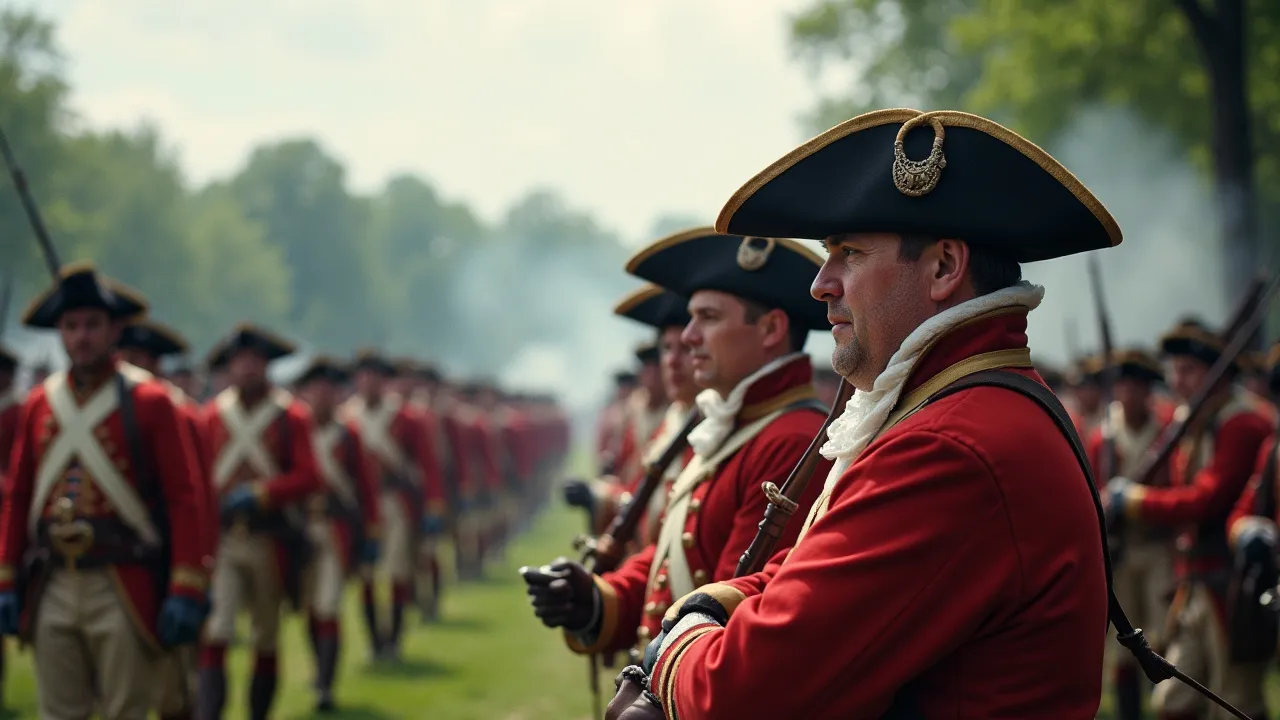
John Parker Day honors the colonial militia leader who commanded the American patriots at the Battle of Lexington on April 19, 1775. This observance commemorates his courage and the start of the American Revolution.
The Historical Origins & Evolutionary Journey
John Parker Day is observed annually on April 19th to commemorate the pivotal role of Captain John Parker and the Lexington militia in the American Revolutionary War. This day marks the anniversary of the Battle of Lexington, the first military engagement of the conflict.
The Foundational Catalyst
On April 19, 1775, as British troops marched from Boston to confiscate colonial weapons in Concord, Captain John Parker assembled about 80 militiamen on Lexington Green. Facing overwhelming numbers, Parker famously ordered his men: "Stand your ground; don't fire unless fired upon, but if they mean to have a war, let it begin here." The ensuing skirmish left eight Americans dead and ignited the Revolutionary War.
Legislative & Official Adoption
The first commemorations were spontaneous local gatherings. In 1776, the town of Lexington began annual observances. Over time, the day became formalized through town proclamations and later recognized by the state of Massachusetts. In 1885, the town erected a monument on the Green, dedicating it to Parker and his men.
Modern Global Legacy
Today, John Parker Day is primarily observed in Lexington with reenactments, parades, and educational programs. It serves as a symbol of American independence and civic courage. The day is often included in broader Patriots' Day celebrations in Massachusetts, which also mark the Battles of Concord and Menotomy.
How to Celebrate John Parker Day
John Parker Day offers opportunities for reflection, education, and community engagement. Below are structured ways to honor the day across different contexts.
For Individuals & Families
- Attend a Reenactment: Visit Lexington Green to witness historical reenactments of the battle, often featuring costumed militiamen and British soldiers.
- Read Original Documents: Explore Parker's own words and contemporary accounts of the battle at local libraries or online archives.
- Visit Historic Sites: Tour the Lexington Battle Green, Hancock-Clarke House, or the Minuteman National Historical Park.
- Participate in Civic Ceremonies: Join wreath-laying ceremonies at the Captain John Parker statue.
For Schools & Educational Institutions
- History Lessons: Integrate primary source analysis—letters, depositions, and maps—into curriculum.
- Student Reenactments: Organize classroom skits or field trips to historic sites.
- Essay Contests: Prompt students to write about Parker's leadership and the concept of standing up for rights.
For Organizations & Communities
- Host a Lecture Series: Invite historians to discuss the minuteman tradition and its modern relevance.
- Plan a Parade: Coordinate with local historical societies for a colonial-themed parade.
- Volunteer for Preservation: Partner with groups like the Lexington Historical Society to maintain battle sites.
Globally, some communities in other countries observe the day as a symbol of resistance against tyranny, adapting traditions to local contexts.
Global Impact & Cross-Cultural Commemorations
While John Parker Day is rooted in American history, its themes of defiance and liberty resonate worldwide. In the United Kingdom, some groups hold discussions on colonial relations. In Canada, Loyalist descendants often contrast Parker's actions with their own historical perspectives. Additionally, the day has inspired similar observances in countries that experienced revolutions, such as France's Bastille Day comparisons.
International Educational Exchanges
Schools in Lexington have sister-city programs that exchange educational materials about the day, fostering dialogue on democratic values.The Core Themes & Societal Relevance
John Parker Day emphasizes several enduring themes: civic courage, the rule of law, and the cost of freedom. Parker's decision to stand against professional soldiers underscores the idea that ordinary citizens can shape history. The day also promotes critical reflection on conflict resolution and the ethics of armed resistance. In contemporary society, these themes are discussed in debates about protest, military service, and historical memory.
Cultural Transformations
Over centuries, the day has evolved from a local mourning into a celebration of national identity, yet it retains a solemn undercurrent honoring those who died for independence.Industry Transformations & Tourism Impact
The observance drives significant tourism to Lexington and surrounding areas. Hotels, restaurants, and museums see increased visitors. The reenactment industry, including costume makers and historical interpreters, thrives around this date.
Economic Contributions
- Annual influx of 50,000+ visitors to Lexington on April 19th.
- Local businesses report 30% increase in revenue during Patriots' Day weekend.
- Historic sites hire seasonal staff and volunteers.
Media & Publishing
Books, documentaries, and online content about Parker and the battle see spikes in demand. Publishers release special editions of historical works, and news outlets produce feature stories.Controversies & Historical Debates
John Parker Day is not without scholarly debate. Some historians question whether Parker's order was actually given as legend holds. Others critique the day for glorifying armed conflict without acknowledging the complexities of the Revolution, such as the experiences of Loyalists, enslaved people, and Native Americans.
Modern Reinterpretations
Recent observances include panel discussions that address these nuances, striving for a more inclusive history. Efforts have been made to highlight the roles of women, African Americans, and indigenous peoples in the Revolutionary era.Historical Timeline
Captain John Parker is born in Lexington, Massachusetts.
On April 19, Parker leads the Lexington militia at the Battle of Lexington, the first clash of the American Revolution.
John Parker dies of tuberculosis on September 17, five months after the battle.
First annual commemoration of the battle in Lexington.
The Lexington Battle Monument is dedicated, including a statue of John Parker.
Patriots' Day is established as a legal holiday in Massachusetts, encompassing John Parker Day.
Bicentennial celebrations elevate the day's profile nationally, drawing over 100,000 visitors to Lexington.
Lexington Historical Society launches digital archives with Parker's documents.
Virtual ceremonies due to the COVID-19 pandemic expand global reach via live-streamed reenactments.