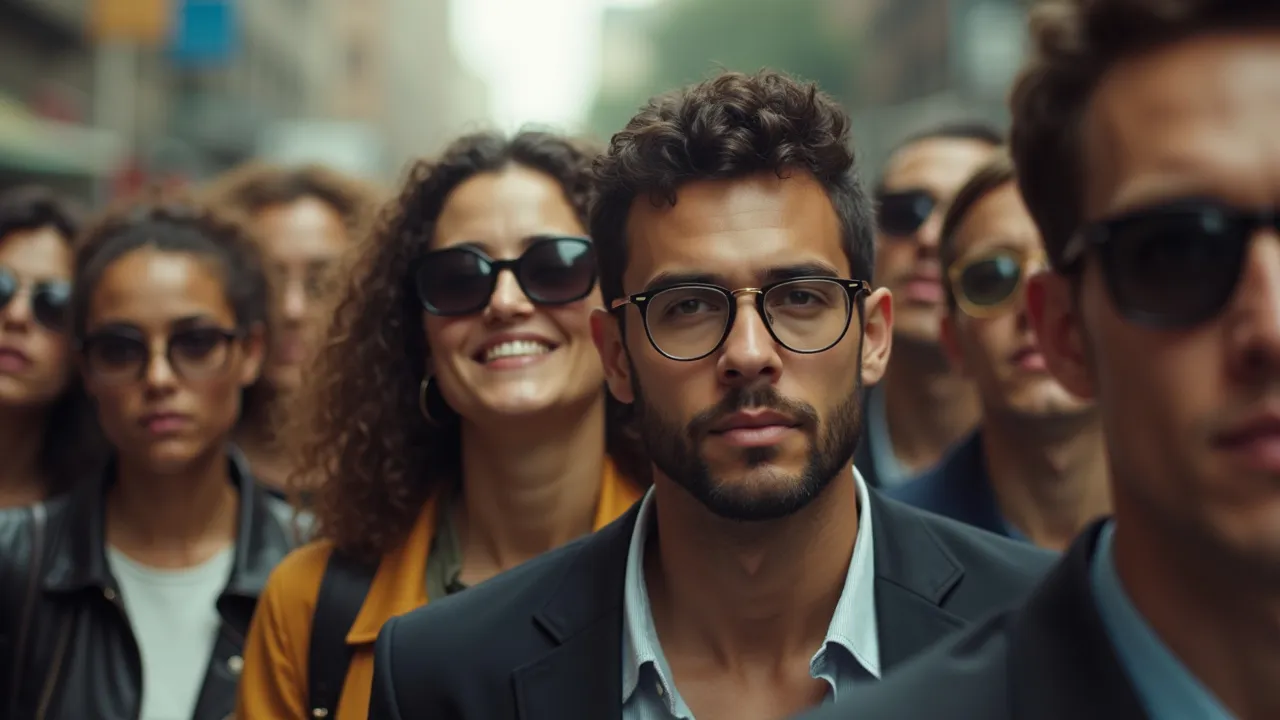
National Eyewear Day on June 6 honors the blend of vision correction and personal style. It urges people to prioritize eye health and explore fashionable frames.
The Historical Origins & Evolutionary Journey
National Eyewear Day, observed annually on June 6th, has its roots in the ancient quest for clearer vision. The day was formally established in 2005 by the Vision Council, a trade association representing the eyewear industry, to promote the importance of vision correction and the cultural significance of eyewear.
The Foundational Catalyst
The earliest known vision aid dates back to ancient Rome, where Emperor Nero used an emerald to watch gladiatorial games. However, the true catalyst for modern eyewear came in 13th-century Italy, where monks crafted the first reading stones. By the 15th century, spectacles had spread across Europe, becoming a symbol of intellect and status.
The Legislative/Official Adoption
National Eyewear Day was officially adopted as a day of recognition in the United States in 2005, spurred by lobbying from optometrists and eyewear manufacturers. The date June 6 was chosen to coincide with the beginning of summer, when outdoor activities and UV protection become paramount.
Modern Global Legacy
Today, National Eyewear Day is celebrated not only in the US but also in countries like Canada, Australia, and parts of Europe. It has evolved into a movement that combines health advocacy with fashion, encouraging people to get comprehensive eye exams and to see eyewear as an essential accessory.
How to Celebrate National Eyewear Day
Celebrating National Eyewear Day is both fun and meaningful. Here is a definitive guide to making the most of June 6th, regardless of where you live.
For Individuals
- Schedule an Eye Exam: The most impactful way to celebrate is to book a comprehensive eye exam with an optometrist. Early detection of vision problems can prevent long-term damage.
- Update Your Frames: Visit an optical store and try on new styles. Whether you need prescription lenses or want stylish sunglasses, treat yourself to a fresh look.
- Share on Social Media: Post a selfie with your favorite eyewear using hashtags like #NationalEyewearDay and #EyeHealth. Encourage friends to do the same.
For Schools and Organizations
- Host a Vision Screening Event: Partner with local eye care professionals to provide free basic vision tests for students or employees.
- Educational Workshops: Organize talks on eye safety, UV protection, and the history of eyewear. Use interactive displays to engage attendees.
Global Traditions
In Japan, National Eyewear Day is celebrated on October 10th (10/10, resembling eyes), focusing on eye strain prevention. In China, the day emphasizes blue light blocking glasses for digital device users. Despite different dates, the core message remains universal.
Global Impact on Health & Society
National Eyewear Day highlights a critical public health issue: uncorrected refractive errors affect over 2.2 billion people worldwide. The day serves as a catalyst for change, promoting access to affordable eyewear and routine eye care.
Vision Impairment Statistics
According to the World Health Organization, at least 1 billion people have a vision impairment that could have been prevented or is yet to be addressed. National Eyewear Day campaigns have led to increased funding for vision programs in underserved regions.
Economic and Social Benefits
Correcting vision boosts productivity and quality of life. Studies show that providing glasses to workers in developing countries can increase income by up to 20%. The day also reduces stigma around wearing glasses, especially among children, by framing eyewear as fashionable.
Technological Advancements in Eyewear
The eyewear industry has seen remarkable innovations that National Eyewear Day celebrates. From lightweight materials to smart glasses, technology continues to transform how we see and interact with the world.
Lens Innovations
Polycarbonate and high-index lenses have made glasses thinner and more impact-resistant. Photochromic lenses that darken in sunlight and blue light blocking coatings address modern digital eye strain. Progressive lenses have revolutionized multifocal correction.
Smart Eyewear
Devices like Google Glass and Ray-Ban Stories integrate cameras and audio. While still niche, they point to a future where eyewear is a seamless part of our digital lives. National Eyewear Day often features demos of these cutting-edge products.
Fashion & Cultural Significance of Eyewear
Eyewear has transcended its functional roots to become a powerful fashion statement. National Eyewear Day celebrates the role glasses play in personal expression and pop culture.
Iconic Eyewear Moments
- Audrey Hepburn's cat-eye glasses in Breakfast at Tiffany's defined 1960s elegance.
- John Lennon's round frames became a symbol of peace and counterculture.
- Winston Churchill's pince-nez projected authority during WWII.
Current Trends
Today, oversized frames, transparent acetate, and retro oval shapes dominate. Celebrity endorsements from stars like Elton John and Lady Gaga keep eyewear in the spotlight. The day encourages people to experiment with bold designs.
Economic Impact of the Eyewear Industry
The global eyewear market is worth over $140 billion, encompassing prescription glasses, sunglasses, and contact lenses. National Eyewear Day drives consumer spending and brand engagement.
Market Dynamics
Luxury brands like Ray-Ban and Oakley command premium prices, while online disruptors like Warby Parker offer affordable direct-to-consumer options. The day features exclusive discounts and limited-edition frames, boosting sales by up to 30%.
Employment and Innovation
Millions of jobs rely on the eyewear industry, from optical technicians to retail staff. The day also spotlights startups developing sustainable materials, such as biodegradable frames made from plant-based polymers.
Historical Timeline
First wearable spectacles developed in Italy, using convex lenses to correct presbyopia.
Benjamin Franklin invents bifocal lenses, allowing distance and near vision correction in one frame.
British astronomer George Biddell Airy creates the first lens to correct astigmatism.
First successful contact lens designed by Adolf Fick, though made of glass and uncomfortable.
Introduction of the first plastic lenses, making glasses lighter and safer.
National Eyewear Day is first celebrated in the United States on June 6th, founded by the Vision Council.
Photochromic lenses become mainstream, offering convenience for indoor and outdoor wear.
Increased screen time during the COVID-19 pandemic leads to a surge in blue light blocking glasses, becoming a key theme of National Eyewear Day.