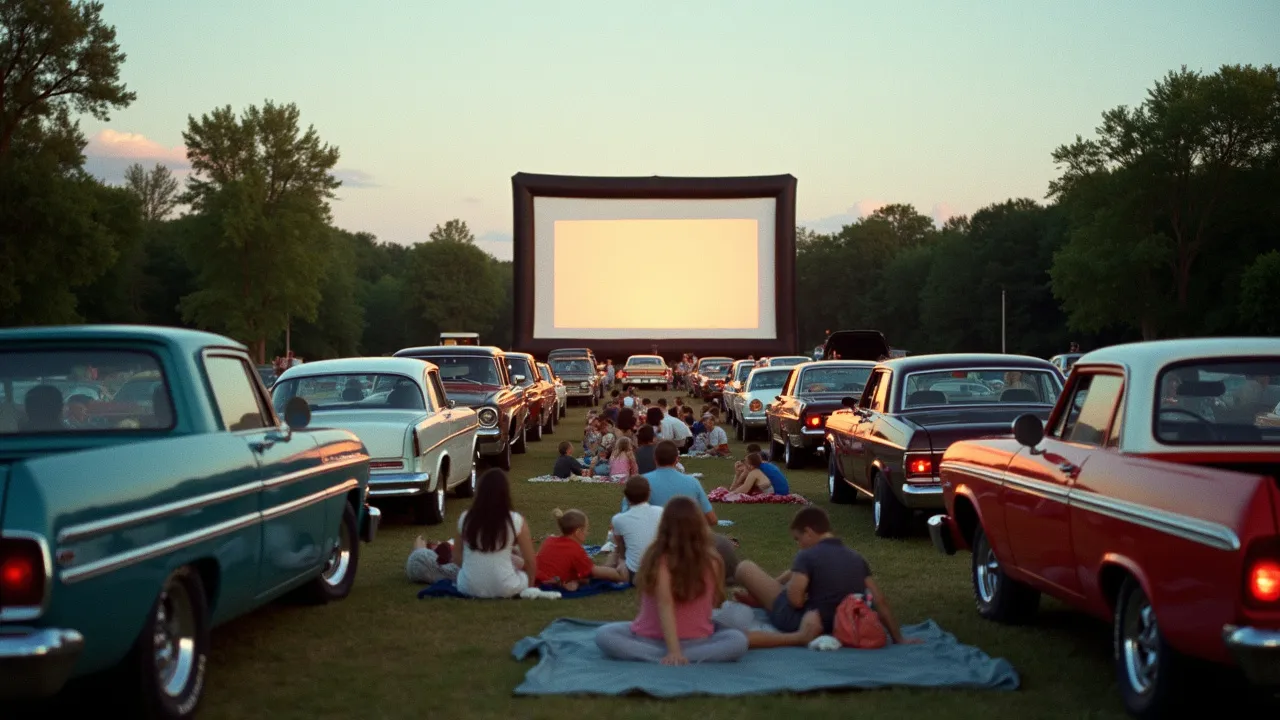
Celebrate National Drive-In Movie Day on June 6th, honoring the nostalgic American pastime of watching films under the stars from your car. Discover the history of the first drive-in theater and how to enjoy this retro experience today.
The Historical Origins & Evolutionary Journey
National Drive-In Movie Day, observed annually on June 6th, commemorates the birth of a uniquely American institution—the drive-in theater. This day honors the opening of the first drive-in movie theater on June 6, 1933, by Richard M. Hollingshead Jr. in Camden, New Jersey. What began as a novel idea has evolved through decades of cultural shifts, technological advancements, and nostalgic revivals.
The Foundational Catalyst
Richard M. Hollingshead Jr., a sales manager at his family's auto parts business, was inspired by his mother's discomfort sitting in traditional theater seats. He experimented in his driveway, mounting a projector on his car hood and using sheets stretched between trees. After perfecting the concept, he patented the idea and opened the first drive-in, "Automovie Theatre," with a 40-foot screen and space for 500 cars. The first film shown was "Wives Beware" (1933). Admission was 25 cents per car plus 25 cents per person.
The Legislative/Official Adoption
Drive-ins rapidly gained popularity in the 1950s and 1960s, becoming iconic symbols of car culture and teenage freedom. At their peak in 1958, there were over 4,000 drive-in theaters across the United States. However, the advent of home video, multiplex cinemas, and rising land values led to a sharp decline. By the 1980s, fewer than 1,000 remained. The official designation of National Drive-In Movie Day was established in 2010 by the United States Congress to preserve this cultural heritage and encourage revitalization.
Modern Global Legacy
Today, the drive-in experience has seen a revival, especially during the COVID-19 pandemic when social distancing made them a safe entertainment option. Many modern drive-ins offer digital projection, FM radio audio, and upgraded concessions. Internationally, drive-ins have appeared in Europe, Asia, and Australia, adapting local flavors. The day is celebrated by enthusiasts, theater owners, and film lovers who appreciate the nostalgia and community spirit.
How to Celebrate National Drive-In Movie Day
Whether you are a first-timer or a seasoned drive-in veteran, National Drive-In Movie Day offers endless ways to enjoy the magic of outdoor cinema. Below is a definitive guide to celebrating this day across different contexts.
For Individuals and Families
- Find a Local Drive-In: Use online directories like DriveInMovie.com to locate theaters near you. Many host special screenings on June 6th.
- Pack the Perfect Picnic: Bring blankets, pillows, and your favorite snacks. Some drive-ins allow outside food, but check their policy.
- Tune In via FM Radio: Most modern drive-ins broadcast audio through a designated FM frequency. Bring a portable radio if your car has no FM.
- Double Feature Night: Many drive-ins show two films for one admission price. Plan to stay for both.
For Schools and Organizations
- Host a Fundraiser: Partner with a local drive-in to hold a charity screening. Sell tickets and donate proceeds to a cause.
- Educational Field Trip: Arrange a visit for students to learn about the history of cinema and technology behind drive-ins.
- Themed Trivia Night: Before the movie, organize trivia about classic car culture and drive-in history.
Corporate and Social Rituals
- Employee Appreciation Event: Reserve a section for your team and offer free admission and snacks.
- Vintage Car Show: Combine your celebration with a classic car meet-up to enhance the retro atmosphere.
- Social Media Campaign: Use hashtags #NationalDriveInMovieDay and #DriveInMovie to share your experience and encourage others.
Global Celebrations
While most common in the US, drive-ins are found worldwide. In Australia, they are known as "moonlight cinemas" with outdoor setups in parks. In the UK, pop-up drive-ins are popular during summer festivals. Japan has a few permanent drive-ins showing both local and Hollywood films. Adapt your celebration to local customs and available venues.
The Cultural Significance of Drive-In Theaters
Drive-in theaters are more than just places to watch movies; they are cultural landmarks that reflect American social history. They emerged during the Great Depression as an affordable escape and flourished during the post-war baby boom and car culture. Drive-ins provided a social space where families, teenagers, and communities could gather without the formality of traditional theaters.
Symbol of Freedom and Romance
For generations of teenagers, the drive-in was a rite of passage—a place for first dates, hanging out with friends, and enjoying privacy in the family car. The iconic image of a couple watching a movie from a parked car is deeply ingrained in American pop culture, celebrated in films like "Grease" and "American Graffiti."
Economic and Social Hub
Drive-ins often featured playgrounds, concession stands, and even miniature golf, making them community entertainment centers. They were among the first public venues to integrate racially in the South, as some drive-ins allowed African American families to attend, albeit in separate sections. This progress, though imperfect, marked a step toward social change.
Preservation and Revival
Today, dwindling numbers of drive-ins are fought for preservation by historical societies and nostalgic entrepreneurs. National Drive-In Movie Day helps raise awareness for these endangered venues. Many surviving drive-ins have gained historic status and are lovingly maintained by families.
Technological Evolution: From Projector to Digital
The drive-in theater has undergone remarkable technological transformations since its inception. Understanding this evolution highlights the resilience of the concept.
Early Projection Systems
Hollingshead's original drive-in used a 35mm projector mounted on a wooden tower. Sound was delivered through large speakers attached to poles next to each parking spot. In 1941, the first FM audio transmission was introduced, allowing in-car radio reception.
The Golden Age of Film Reels
Through the 1950s and 60s, drive-ins used carbon-arc projectors with reel-to-reel film. Film prints were heavy and had to be spliced, requiring skilled projectionists. The screen size grew to accommodate larger audiences, often exceeding 100 feet.
Digital Revolution
By the early 2000s, most drive-ins transitioned to digital projection, which offered superior picture quality and eliminated the cost of shipping film prints. Digital servers could store multiple films and handle automated scheduling. Audio shifted to FM stereo, and some even introduced wireless Bluetooth.
The Future: 4K and Beyond
Modern drive-ins now use 4K laser projectors, solar-powered screens, and advanced audio systems. Some are experimenting with virtual reality and interactive elements. Despite the tech upgrades, the core experience remains unchanged: watching a movie under the stars from the comfort of your car.
Economic Impact and Industry Challenges
Drive-in theaters have always faced economic challenges, from land costs to weather dependency. Understanding their business model sheds light on their survival.
Revenue Streams
- Ticket Sales: Admission is often per carload or per person, with discounts for children and seniors.
- Concessions: Popcorn, candy, hot dogs, and beverages are major profit centers, often with higher margins than tickets.
- Special Events: Private rentals, classic car shows, and live concerts provide additional income.
Seasonal and Weather Risks
Most drive-ins operate only in warmer months, limiting revenue to a short season. Rain and cold evenings can severely impact attendance. Many theaters have installed rain check policies or flexible screening schedules.
Competition and Survival
The rise of streaming services and home theaters has cut into all moviegoing, but drive-ins have a niche appeal. During the pandemic, drive-ins saw a resurgence as safe outdoor venues. However, rising land values in suburban areas pressure many to sell. National Drive-In Movie Day encourages community support to keep these venues alive.
Iconic Drive-In Theaters Across the United States
From coast to coast, certain drive-in theaters have achieved iconic status due to their history, size, or unique features. Here are a few must-visit locations for National Drive-In Movie Day.
Shankweiler's Drive-In (Orefield, Pennsylvania)
Opened in 1934, it is the oldest continuously operating drive-in in the world. It still uses its original screen and neon sign. Celebrations on June 6th often include vintage car shows.
Bengies Drive-In (Baltimore, Maryland)
One of the largest in the US, with a 120-foot screen. It features three screens and a museum of drive-in memorabilia. Known for its strict rules and authentic experience.
Monsterama Drive-In (Atlanta, Georgia)
A popular spot for horror movie fans, often hosting all-night marathons. It sports a retro diner and a massive gift shop.
Wellfleet Drive-In (Cape Cod, Massachusetts)
A summer-only venue since 1957, offering double features and a mini-golf course. Its location near the beach makes it a favorite tourist stop.
Visiting these theaters on National Drive-In Movie Day not only provides entertainment but also supports historic preservation.
Historical Timeline
Richard M. Hollingshead Jr. opens the first drive-in movie theater in Camden, New Jersey, on June 6th. The 'Automovie Theatre' holds 500 cars and shows 'Wives Beware'.
Shankweiler's Drive-In opens in Orefield, Pennsylvania, becoming the oldest continuously operating drive-in in the world.
First FM audio transmission for drive-ins introduced, replacing the earlier speaker poles.
Peak of drive-in popularity: Over 4,000 drive-in theaters operate across the United States.
Decline begins due to home video, multiplex theaters, and rising real estate costs. Hundreds of drive-ins close.
Fewer than 1,000 drive-ins remain. Digital projection begins to replace 35mm film.
U.S. Congress officially designates June 6th as National Drive-In Movie Day to preserve the cultural heritage.
COVID-19 pandemic leads to a resurgence of drive-ins as safe entertainment, with many new pop-up locations.