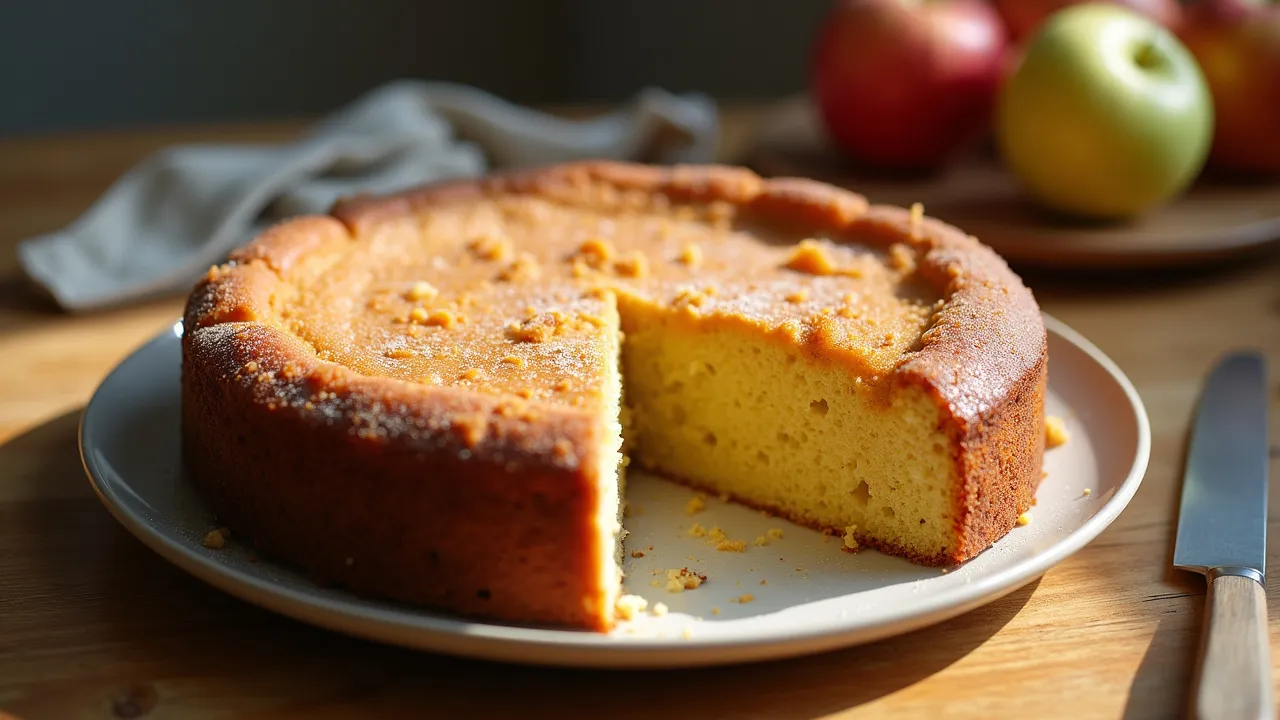
Celebrate National Applesauce Cake Day on June 6th by indulging in this moist, spiced dessert that combines applesauce with warm spices. Discover its history, recipes, and how to enjoy this classic treat.
The Historical Origins & Evolutionary Journey
National Applesauce Cake Day, observed annually on June 6th, celebrates a dessert that has roots deep in American baking tradition. Applesauce cake emerged as a practical and flavorful alternative to fruitcakes during the early 20th century, when applesauce was commonly used as a fat substitute in recipes. The day was officially established in 1985 by the American Baking Association to honor this beloved cake and its role in home baking.
The Foundational Catalyst: Applesauce in Baking
Applesauce has been a staple in American kitchens since colonial times, often used to extend the shelf life of apples and as a sweetener. In the late 1800s, cookbooks began featuring "applesauce cake" as a way to incorporate the fruit puree into a dense, spiced loaf. The cake gained popularity during the Great Depression when eggs and butter were scarce; applesauce provided moisture and richness.
The Official Adoption of National Applesauce Cake Day
In 1985, the American Baking Association launched National Applesauce Cake Day as a marketing campaign to promote home baking and the use of applesauce as a healthy ingredient. The date June 6th was chosen to coincide with the peak of apple blossom season, symbolizing new growth and the start of summer baking. The first celebration featured baking contests in schools and community centers across the United States.
Modern Global Legacy
Today, applesauce cake is enjoyed worldwide, with variations incorporating nuts, raisins, and a cream cheese frosting. National Applesauce Cake Day has grown into a social media phenomenon, with home bakers sharing their recipes under #ApplesauceCakeDay. The day also highlights the versatility of applesauce as a fat substitute, aligning with modern health trends.
How to Celebrate National Applesauce Cake Day
Whether you are a seasoned baker or a novice, June 6th offers numerous ways to celebrate this wholesome dessert. Below are actionable strategies for individuals, schools, and organizations to honor the day.
For Individuals and Families
- Bake a Classic Applesauce Cake: Use a traditional recipe that includes cinnamon, nutmeg, and cloves. Share with neighbors or coworkers.
- Host a Tasting Party: Invite friends to sample different versions—gluten-free, vegan, or with added fruits.
- Experiment with Toppings: Try cream cheese frosting, caramel drizzle, or a simple dusting of powdered sugar.
For Schools and Educational Groups
- History Lesson: Teach students about the Depression-era origins of applesauce cake.
- Baking Competition: Organize a classroom bake-off, judging on taste, texture, and presentation.
- Nutrition Discussion: Explain how applesauce reduces fat content while adding fiber.
For Organizations and Social Groups
- Office Potluck: Encourage employees to bring in applesauce cakes for a communal dessert.
- Charity Bake Sale: Sell slices to raise funds for local food banks.
- Social Media Challenge: Launch a photo contest with the hashtag #NationalApplesauceCakeDay.
Nutritional Profile & Health Benefits
Applesauce cake is often considered a healthier alternative to traditional butter cakes due to its lower fat content. However, it still contains sugar and flour. Here’s a breakdown of its nutritional aspects:
Key Nutritional Facts (Per Slice)
- Calories: Approximately 200–300, depending on frosting.
- Fat: 5–10g, mostly from oil or butter.
- Fiber: 1–2g from applesauce and whole wheat flour (if used).
- Sugar: 15–25g, often reduced by using unsweetened applesauce.
Health Benefits
Using applesauce can cut fat by up to 50% compared to butter. Applesauce also provides pectin, a soluble fiber that aids digestion. For those with dairy or egg allergies, vegan recipes using applesauce as a binder are common.
Regional Variations & Global Influences
While National Applesauce Cake Day is predominantly American, similar cakes appear worldwide. Below are regional twists:
- United States: Traditional spiced loaf with raisins and walnuts, often topped with cream cheese frosting.
- United Kingdom: Apple cake with a crumbly top, served warm with custard.
- Germany: Apfelkuchen, a German apple cake with a sour cream topping.
- Sweden: Äppelkaka, an apple cake with almond and cardamom.
These global interpretations highlight the versatility of apple-based desserts.
Modern Baking Trends & Innovations
In recent years, applesauce cake has adapted to dietary trends. Here are key innovations:
Gluten-Free & Paleo Versions
Using almond flour or oat flour, these recipes cater to gluten-sensitive individuals. Applesauce provides moisture without gluten.
Vegan Applesauce Cake
Replacing eggs with flax eggs or extra applesauce, vegan versions are now mainstream.
Keto-Friendly Options
Though applesauce is high in carbs, some low-carb recipes use small amounts of unsweetened applesauce with sugar substitutes like erythritol.
The rise of online baking communities has also led to creative additions like chocolate chips, spices, and even pumpkin puree.
Baking Tips for the Perfect Applesauce Cake
To ensure your cake is moist and flavorful, follow these expert tips:
- Use Unsweetened Applesauce: So you can control the sugar level.
- Don't Overmix: Mix just until combined to avoid a dense texture.
- Add Warm Spices: Cinnamon, nutmeg, and ginger enhance the apple flavor.
- Test for Doneness: Insert a toothpick; it should come out clean.
- Cool Completely Before Frosting: Prevents melting and sliding.
For extra moisture, substitute half the oil with applesauce.
Historical Timeline
Applesauce cake becomes popular during the Great Depression as a cost-effective dessert using pantry staples.
The American Baking Association establishes National Applesauce Cake Day on June 6th, promoting home baking.
Applesauce cake recipes appear in national magazines, highlighting it as a low-fat alternative.
Social media fuels a resurgence of interest, with food bloggers sharing creative variations.
Vegan and gluten-free applesauce cake recipes become mainstream, expanding the day's appeal.