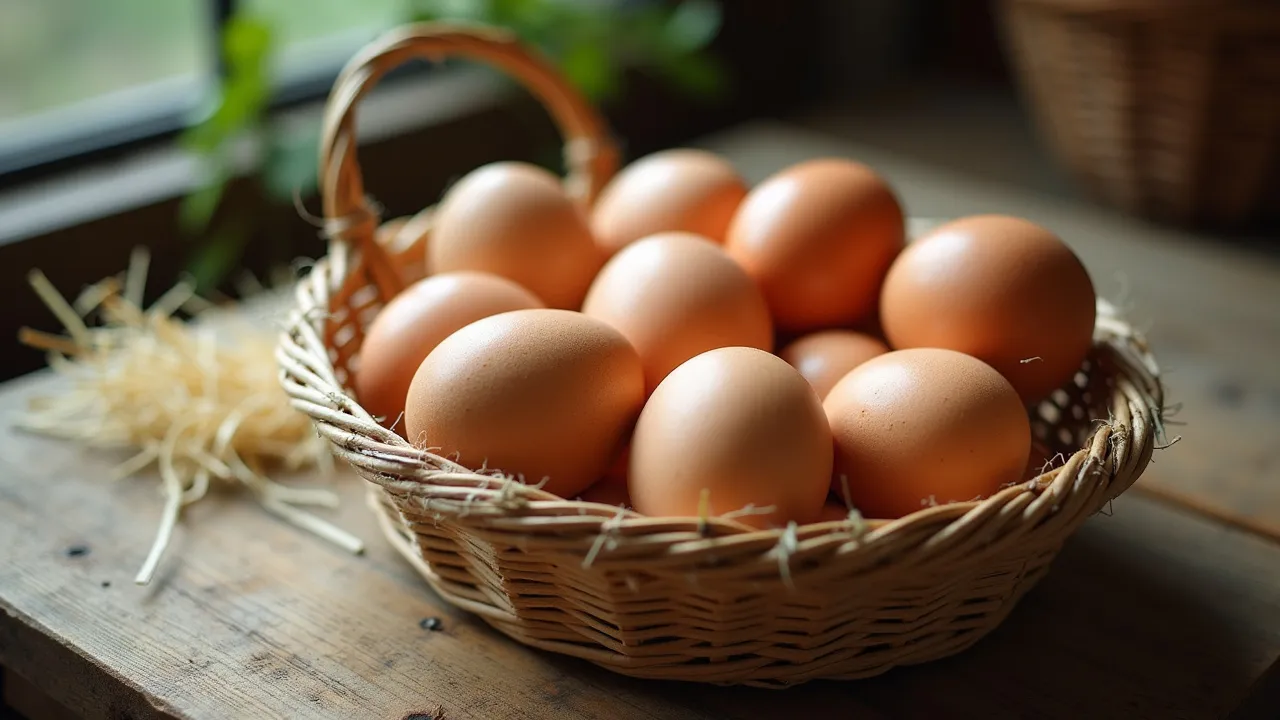
National Egg Day, observed annually on June 3rd, celebrates one of nature's most versatile and nutritious foods. From breakfast tables to haute cuisine, eggs play a vital role in global diets and cultures.
History of National Egg Day
National Egg Day, observed on June 3rd, has a rich history intertwined with the agricultural and culinary development of the United States. While the exact origins are somewhat obscure, the day is widely recognized as a celebration of the egg's nutritional value and its role in daily sustenance.
The Foundational Catalyst
The push for a national day dedicated to eggs emerged in the late 20th century, driven by the American Egg Board and egg producers who recognized the need to highlight the egg's benefits amidst shifting dietary trends. In the 1990s, eggs faced criticism due to cholesterol concerns, leading to a decline in consumption. The American Egg Board initiated a campaign to restore the egg's reputation, and National Egg Day became part of that effort.
The Legislative/Official Adoption
Unlike many federal holidays, National Egg Day was not established by an act of Congress. Instead, it was promoted through grassroots efforts, state proclamations, and industry support. Over time, it gained widespread recognition as an unofficial observance, with media outlets, food blogs, and restaurants actively participating each year. The day was chosen to coincide with the peak egg production season in the United States.
Modern Global Legacy
Today, National Egg Day extends beyond U.S. borders, with many countries adopting similar celebrations. World Egg Day, observed on the second Friday of October, complements this day by focusing on global egg trade and nutrition. The legacy of National Egg Day is one of resilience and adaptation, as eggs have reclaimed their status as a superfood in modern diets.
How to Celebrate National Egg Day
National Egg Day offers endless opportunities for enjoyment and education. Whether you're a home cook, a chef, or an enthusiast, here are comprehensive ways to celebrate:
Individual Celebrations
- Cook a gourmet egg breakfast: Try poached eggs on avocado toast, a classic omelet, or shakshuka.
- Experiment with egg art: Decorate hard-boiled eggs with natural dyes or paint them for decorative purposes.
- Bake something special: Make a quiche, custard, or a layered cake that highlights eggs as a key ingredient.
School and Community Activities
- Egg drop challenge: Design a container that protects a raw egg from a high fall.
- Educational workshops: Teach children about poultry farming and egg nutrition.
- Charity events: Organize a brunch fundraiser to support local food banks.
Corporate and Social Rituals
- Office egg hunt: Hide plastic eggs filled with treats or prizes.
- Potluck breakfast: Encourage colleagues to bring egg-based dishes.
- Sponsor a local farm visit: Connect employees with egg producers to understand sustainable farming.
Global Traditions
In the United Kingdom, similar celebrations occur around Easter, while in Japan, egg dishes are highlighted during Tamago Kake Gohan Day. In Mexico, huevos rancheros are a staple for National Egg Day. These regional variations underscore the egg's universal appeal.
Nutritional Powerhouse: The Health Benefits of Eggs
Eggs are often called nature's multivitamin. Packed with high-quality protein, vitamins, and minerals, they offer numerous health benefits:
Nutrient Density
- Protein: One large egg contains about 6 grams of protein, with all essential amino acids.
- Choline: Essential for brain health and development.
- Vitamin D, B12, and riboflavin: Support bone health, energy metabolism, and red blood cell formation.
Debunking Cholesterol Myths
Decades of research have shown that dietary cholesterol from eggs does not significantly impact blood cholesterol in most people. The American Heart Association now includes eggs as part of a heart-healthy diet.
Weight Management and Satiety
Eggs are highly satiating, which can help reduce calorie intake throughout the day. Studies show that a breakfast including eggs leads to greater satiety and reduced lunch consumption compared to a bagel breakfast of equal calories.
Eggs in Global Cuisines
Eggs transcend cultural boundaries, appearing in nearly every cuisine. From street food to fine dining, here are iconic egg dishes worldwide:
Breakfast Classics
- United States: Fried eggs with bacon and toast.
- France: Omelette aux fines herbes.
- Turkey: Menemen (scrambled eggs with tomatoes and peppers).
Main Dishes
- Italy: Frittata with seasonal vegetables.
- Japan: Tamagoyaki (rolled omelet often served in bento boxes).
- India: Egg curry in spiced gravy.
Desserts and Baked Goods
- Crème brûlée: A French custard dessert.
- Angel food cake: Uses only egg whites for its light texture.
- Chocolate mousse: Rich and airy thanks to whipped egg whites.
Economic and Environmental Impact of the Egg Industry
The global egg industry is a significant economic driver, producing over 80 million metric tons of eggs annually. The United States alone has about 300 million laying hens, producing nearly 100 billion eggs per year.
Economic Contributions
- Job creation: From farming to processing and distribution, the industry employs hundreds of thousands.
- Trade: Major egg exporters include the Netherlands, the United States, and China.
Sustainability Challenges
Egg production faces environmental concerns, including feed production, water use, and waste management. However, advancements in cage-free systems and precision farming are improving sustainability. The industry is also working toward reducing its carbon footprint through innovations in feed additives and manure management.
Fun Facts and Myths About Eggs
Interesting Facts
- The largest egg ever laid weighed over 1.5 kilograms by an ostrich.
- Chicken eggshells can be white, brown, blue, or green depending on the hen breed.
- Eggs age more in one day at room temperature than in one week in the refrigerator.
Common Myths Debunked
- Myth: Brown eggs are healthier than white eggs. Truth: Shell color has no nutritional difference; it's determined the hen's ear lobe color.
- Myth: Raw eggs are more nutritious. Truth: Cooking increases protein digestibility and reduces risk of salmonella.
Historical Timeline
National Egg Day is first observed in the United States, promoted by the American Egg Board to celebrate the egg and its nutritional value.
The day gains traction in media, with major food networks featuring egg-centric recipes on June 3rd.
Several U.S. states issue proclamations officially recognizing National Egg Day, boosting its visibility.
International recognition grows as World Egg Day (second Friday of October) begins to complement National Egg Day.
Dietary guidelines lift cholesterol restrictions, leading to a resurgence in egg consumption and celebration of National Egg Day.
During the pandemic, National Egg Day highlights the egg's role as an affordable, shelf-stable protein source.