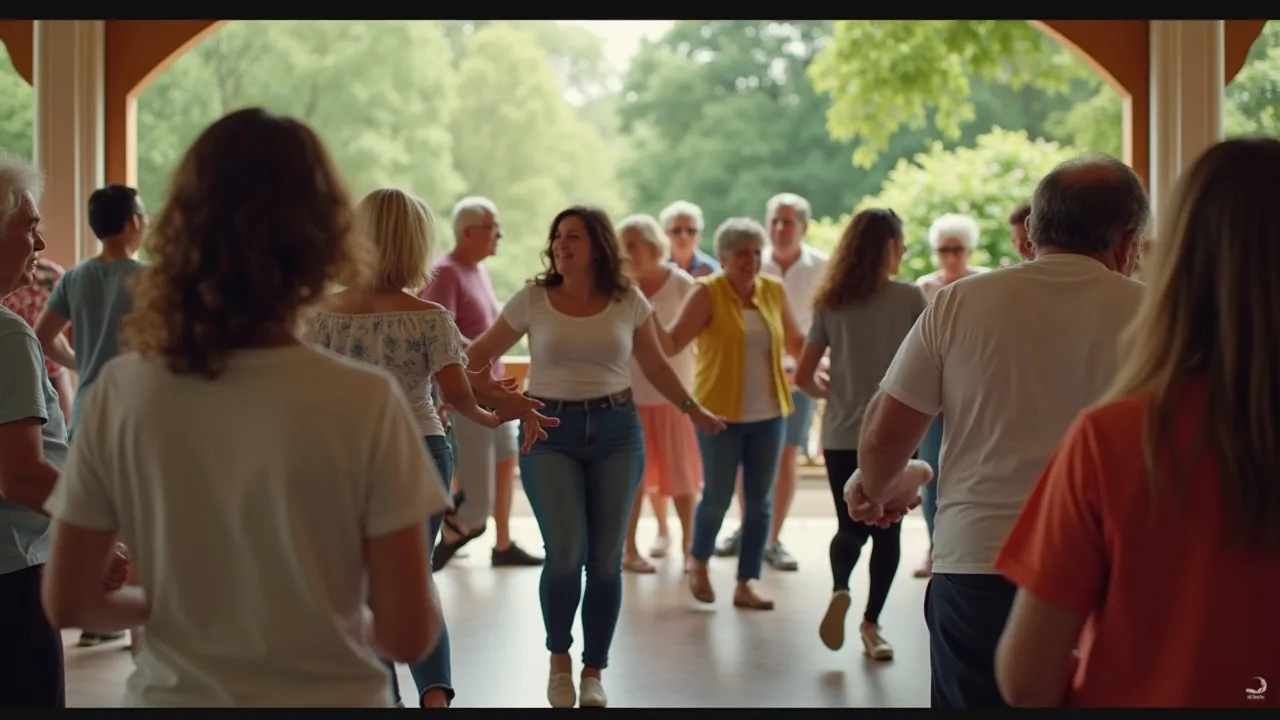
National Dance Day, observed on the third Saturday in September, celebrates the joy of dance and its power to bring communities together. Founded by Nigel Lythgoe in 2010, it promotes physical activity and artistic expression.
The Historical Origins & Evolutionary Journey
The Foundational Catalyst
National Dance Day was conceived by Nigel Lythgoe, co-creator of the television show So You Think You Can Dance, and formally launched by the Dizzy Feet Foundation in 2010. The inaugural event took place on July 31, 2010, as a national celebration of dance aimed at inspiring Americans to embrace dance as a fun form of physical activity and artistic expression. Lythgoe recognized the declining emphasis on arts education in schools and sought to create a day that would reignite public interest in dance.
Legislative/Official Adoption
In 2011, the observance was officially moved to the third Saturday in September to align with the start of the school year and maximize participation among youth. The U.S. Congress passed a resolution supporting the day, though it remains a non-federal holiday. The shift allowed dance studios, schools, and community centers to incorporate events into their fall programming. The Dizzy Feet Foundation continues to spearhead national campaigns, encouraging local organizations to host dance workshops, flash mobs, and fundraisers.
Modern Global Legacy
While primarily a U.S. observance, National Dance Day has inspired similar initiatives worldwide, such as International Dance Day (April 29) and regional celebrations in Canada and the UK. The day has evolved to include diverse dance styles, from hip-hop and ballet to cultural folk dances. Social media campaigns like #NationalDanceDay have amplified its reach, with millions sharing videos and stories. The day now serves as a platform for advocating dance education, health, and community bonding.
How to Celebrate National Dance Day
Individual Participation
- Take a dance class: Join a local studio or online session in styles like salsa, hip-hop, or ballroom.
- Organize a flash mob: Choreograph a simple routine with friends and perform in a public space. Use social media to invite participants.
- Host a dance party: Gather family and neighbors for a backyard or living room dance party with music from various eras.
School and Community Engagement
- School programs: Integrate dance into physical education classes or hold a school-wide dance competition.
- Community workshops: Partner with local dance studios to offer free introductory classes for all ages.
- Fundraising events: Organize dance-a-thons to raise money for arts education or health charities.
Corporate and Social Rituals
Companies can host lunchtime dance breaks or sponsor dance-themed wellness challenges. Many organizations use the day to promote team building through group dance activities. Nonprofits often leverage National Dance Day to highlight the therapeutic benefits of movement for mental health.
International Adaptations
In the United Kingdom, dance schools coordinate open days, while Australia emphasizes Indigenous dance traditions. Canada celebrates with multicultural dance showcases. Participants are encouraged to share their experiences using #NationalDanceDay to build a global community.
The Health and Social Benefits of Dancing
Physical Health Advantages
- Cardiovascular fitness: Regular dance improves heart health and stamina.
- Muscle strength and flexibility: Dance movements enhance coordination and reduce injury risk.
- Weight management: An hour of dancing can burn 200–400 calories.
Mental and Emotional Well-being
Dance releases endorphins, reducing stress and anxiety. It also boosts cognitive function through memorizing steps and patterns. Social dancing strengthens relationships and combats loneliness.
Social Connection
Group dancing builds trust and teamwork. Community dance events like those on National Dance Day foster inclusivity across age, ethnicity, and ability. Studies show that dancing with others can lead to lasting friendships and a stronger sense of belonging.
National Dance Day Around the World: Regional Variations
While the U.S. celebrates on the third Saturday in September, other countries observe dance on different dates with unique traditions. It is crucial to distinguish these to avoid confusion.
United States
Primary date: Third Saturday in September. Events range from flash mobs in Times Square to local studio open houses. The Dizzy Feet Foundation provides free lesson plans for schools.
International Dance Day
Established by UNESCO in 1982, International Dance Day is celebrated on April 29 (the birthday of Jean-Georges Noverre). It focuses on global unity through dance, with official messages from renowned dancers.
United Kingdom
The UK observes National Dance Day on the last Saturday in September, though it is not an official holiday. Many studios offer free taster classes.
Australia
Australia’s National Dance Week (November) includes a day dedicated to Aboriginal dance traditions. Community powwows and corroborees are common.
India
India celebrates World Dance Day on April 29, with classical dance performances (e.g., Bharatanatyam, Kathak) in temples and theaters.
The Role of Dance in Education and Community Building
Dance in Schools
Integrating dance into curricula improves students’ creativity, discipline, and academic performance. National Dance Day provides a catalyst for schools to incorporate movement into subjects like history (e.g., learning Renaissance dances) and science (e.g., understanding rhythm and physics).
Community Cohesion
Community dance events break down social barriers. For example, intergenerational dance workshops bring seniors and youth together, preserving cultural dances while fostering mutual respect.
Therapeutic Applications
Dance/movement therapy (DMT) is used in hospitals and rehabilitation centers. National Dance Day highlights DMT’s effectiveness for trauma recovery and developmental disorders.
Economic and Cultural Impact of the Dance Industry
Economic Contributions
The dance industry generates billions annually through studio fees, performances, and merchandise. National Dance Day boosts local economies by driving attendance at paid events and workshops.
Cultural Preservation
Dance serves as a living archive of cultural identity. National Dance Day encourages the preservation of folk dances like Irish step, African tribal, and Native American powwow dances.
Media and Entertainment
Reality shows like So You Think You Can Dance and Dancing with the Stars have popularized social dance. The day often coincides with new dance film releases and music video launches.
How to Get Involved: Organizing Events and Fundraising
Planning a Community Event
- Secure a venue (park, community center, or school gym).
- Recruit volunteer instructors for various dance styles.
- Promote via social media, local newspapers, and flyers.
- Include a donation box for a dance-related charity.
Fundraising Ideas
- Dance-a-thon: Participants collect pledges per minute danced.
- Battle of the Styles: Teams compete in different genres; audience votes with donations.
- Virtual classes with a fee that supports arts education.
Corporate Partnerships
Businesses can sponsor events in exchange for brand visibility. Many fitness brands offer discounts on dance gear during the day.
Historical Timeline
National Dance Day founded by Nigel Lythgoe and the Dizzy Feet Foundation. First celebrated on July 31 with events across the United States.
Observance moved to the third Saturday in September to align with the school year. U.S. Congress passes a resolution of support.
Partnership with the American Dance Therapy Association and other health organizations to promote dance for wellness.
Expansion of community flash mobs; major cities like New York and Los Angeles host large-scale public dances.
Social media campaign #NationalDanceDay trends globally, with millions of participants sharing videos and photos.
Virtual celebrations due to COVID-19 pandemic; online classes and live-streamed events reach record audiences.
National Dance Day continues to grow with official proclamations in multiple states and increased international participation.