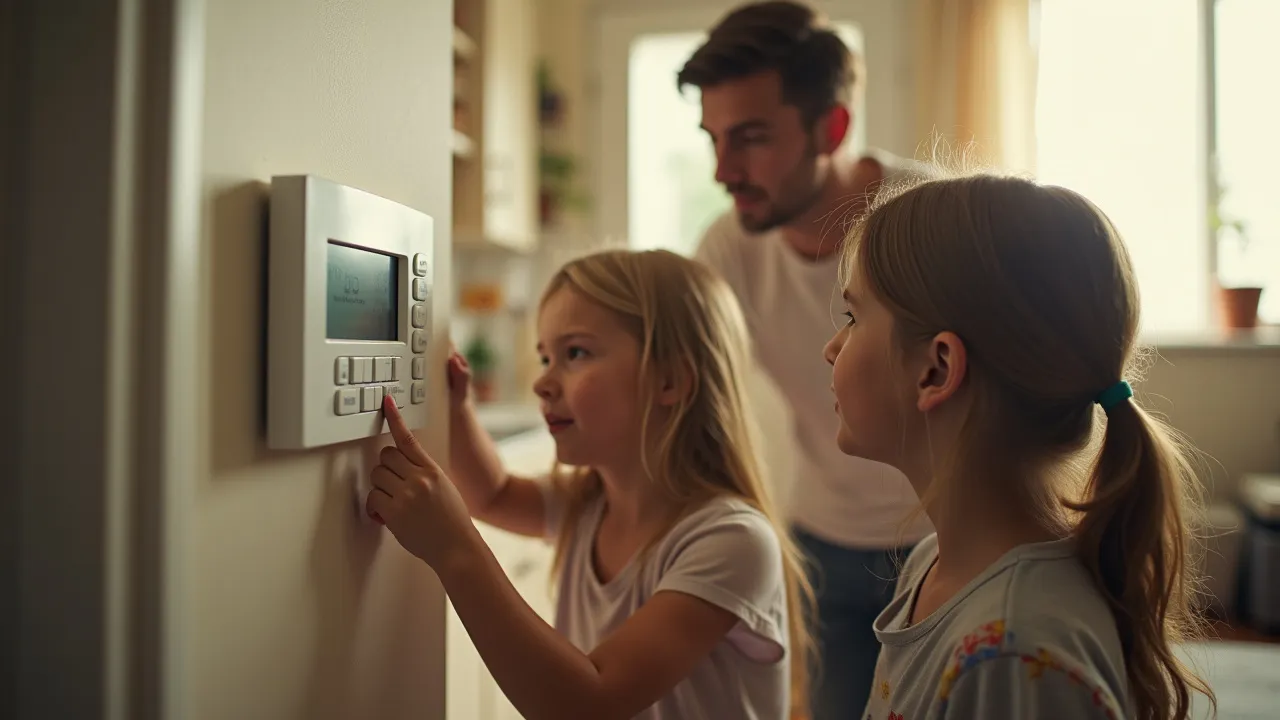
National Cut Your Energy Costs Day on January 10th encourages homeowners and businesses to adopt energy-efficient practices and reduce utility bills. From simple behavioral changes to major appliance upgrades, the day promotes sustainable energy use to save money and protect the environment.
The Historical Origins & Evolutionary Journey
National Cut Your Energy Costs Day, observed annually on January 10th, has its roots in the energy crises of the 1970s. The day was formally established in 2005 by the U.S. Department of Energy's ENERGY STAR program to promote energy efficiency and cost savings. Over time, it has grown from a small awareness campaign into a national observance embraced by utilities, governments, and households.
The Foundational Catalyst
The 1973 oil embargo triggered a massive shift in public consciousness about energy consumption. Gas lines and skyrocketing prices forced Americans to reconsider their energy use. In response, the U.S. government created the Department of Energy in 1977 and later launched the ENERGY STAR program in 1992. These initiatives laid the groundwork for a dedicated day focusing on energy cost reduction.
The Legislative & Official Adoption
In 2005, the Energy Policy Act was passed, which included provisions for energy efficiency and renewable energy. That same year, the ENERGY STAR program officially designated January 10th as National Cut Your Energy Costs Day. The date was chosen to occur just after the holiday season when energy bills are typically high, providing a timely reminder for consumers to take action.
Modern Global Legacy
While primarily a U.S. observance, the day has inspired similar initiatives worldwide. Organizations like the International Energy Agency (IEA) promote energy efficiency campaigns that align with January 10th. The day now serves as a catalyst for annual energy-saving challenges, utility rebate programs, and educational events in schools and communities.
How to Celebrate National Cut Your Energy Costs Day
Participating in National Cut Your Energy Costs Day is straightforward and impactful. Below are actionable strategies for individuals, schools, and organizations.
Actionable Tips for Homeowners
- Conduct a Home Energy Audit - Use a DIY kit or hire a professional to identify leaks and inefficiencies.
- Seal Drafts - Apply weatherstripping around doors and windows to prevent heat loss.
- Upgrade to LED Lighting - Replace incandescent bulbs with LEDs, which use up to 80% less energy.
- Install a Programmable Thermostat - Set it to lower temperatures when asleep or away.
- Unplug Electronics - Use power strips to cut phantom loads from devices in standby mode.
School & Community Activities
- Energy Saving Competitions - Challenge classrooms to reduce their energy footprint.
- Workshops on Energy Efficiency - Host sessions teaching families about insulation, appliance upgrades, and government rebates.
- Public Pledges - Encourage residents to commit to one energy-saving action and share it on social media.
Corporate & Organizational Rituals
Businesses can celebrate by implementing energy management systems, conducting employee training on conservation, and setting annual reduction targets. Many companies use this day to launch green teams or announce investments in renewable energy.
The Impact of Energy Efficiency on Climate Change
Energy efficiency is one of the most cost-effective ways to combat climate change. By reducing energy consumption, we decrease the demand for fossil fuels and lower greenhouse gas emissions.
Quantitative Benefits
- Residential sector: If all U.S. homes upgraded to ENERGY STAR appliances, it would prevent 100 million metric tons of CO2 annually.
- Global potential: According to the IEA, energy efficiency improvements could deliver over 40% of the emissions reductions needed to meet Paris Agreement goals.
National Cut Your Energy Costs Day serves as an annual reminder that individual actions collectively make a significant environmental impact.
Technological Innovations in Energy Savings
Advancements in technology have revolutionized how we save energy. From smart home devices to high-efficiency HVAC systems, these innovations make it easier than ever to cut costs.
Smart Home Technology
- Smart thermostats like Nest and Ecobee learn your schedule and adjust temperatures automatically.
- Smart power strips cut power to devices when not in use.
Appliance Upgrades
- ENERGY STAR certified refrigerators use 15% less energy than standard models.
- Heat pump water heaters can be 3 times more efficient than conventional electric models.
On this day, retailers often offer discounts on energy-saving products, incentivizing upgrades.
Economic Benefits of Reducing Energy Costs
Lower energy bills translate to more disposable income for households and improved bottom lines for businesses. The cumulative effect of energy efficiency also supports job creation in manufacturing, installation, and retrofitting.
Household Savings
The average U.S. family spends over $2,000 annually on energy. Simple measures can reduce that by 25% or more, saving hundreds of dollars each year. These savings are particularly impactful for low-income households, where energy costs can represent a larger share of expenses.
National Economic Impact
According to the American Council for an Energy-Efficient Economy (ACEEE), energy efficiency programs have saved Americans over $800 billion since 1990. National Cut Your Energy Costs Day highlights these economic opportunities and encourages investment in long-term savings.
Community and Policy Initiatives
Many communities and governments use January 10th to launch or promote energy-saving initiatives.
Local Programs
- Free energy audits offered by utility companies.
- Rebates for purchasing energy-efficient appliances.
- Community solar subscriptions that allow renters to benefit from renewable energy.
State & Federal Policies
- Weatherization Assistance Program (WAP) helps low-income households improve energy efficiency.
- Energy Star Portfolio Manager is used by commercial buildings to track and reduce energy use.
On this day, advocacy groups often push for stronger building codes and expanded rebate programs.
Common Misconceptions About Energy Conservation
Despite widespread awareness, several myths persist about energy savings. Debunking them is crucial for effective action.
Myth 1: Turning off devices saves only pennies
In reality, standby power (vampire energy) can account for up to 10% of a home's electricity use. Unplugging electronics or using smart strips can yield substantial savings over time.
Myth 2: Energy-efficient appliances are too expensive
While upfront costs may be higher, the long-term savings on utility bills often recoup the investment within a few years. Rebates and tax credits further reduce the initial expense.
Myth 3: Only major renovations make a difference
Simple behavioral changes—like turning off lights, washing clothes in cold water, and lowering the water heater temperature— collectively save significant energy and money.
Historical Timeline
Oil embargo leads to energy crisis, sparking public interest in conservation.
U.S. Department of Energy established to centralize energy policy and research.
ENERGY STAR program launched by the U.S. Environmental Protection Agency.
Energy Policy Act signed; National Cut Your Energy Costs Day first observed on January 10th.
Paris Agreement highlights energy efficiency as a key climate solution.
COVID-19 pandemic shifts focus to home energy savings as people spend more time indoors.
Growing adoption of smart home technology and renewable energy integrations.