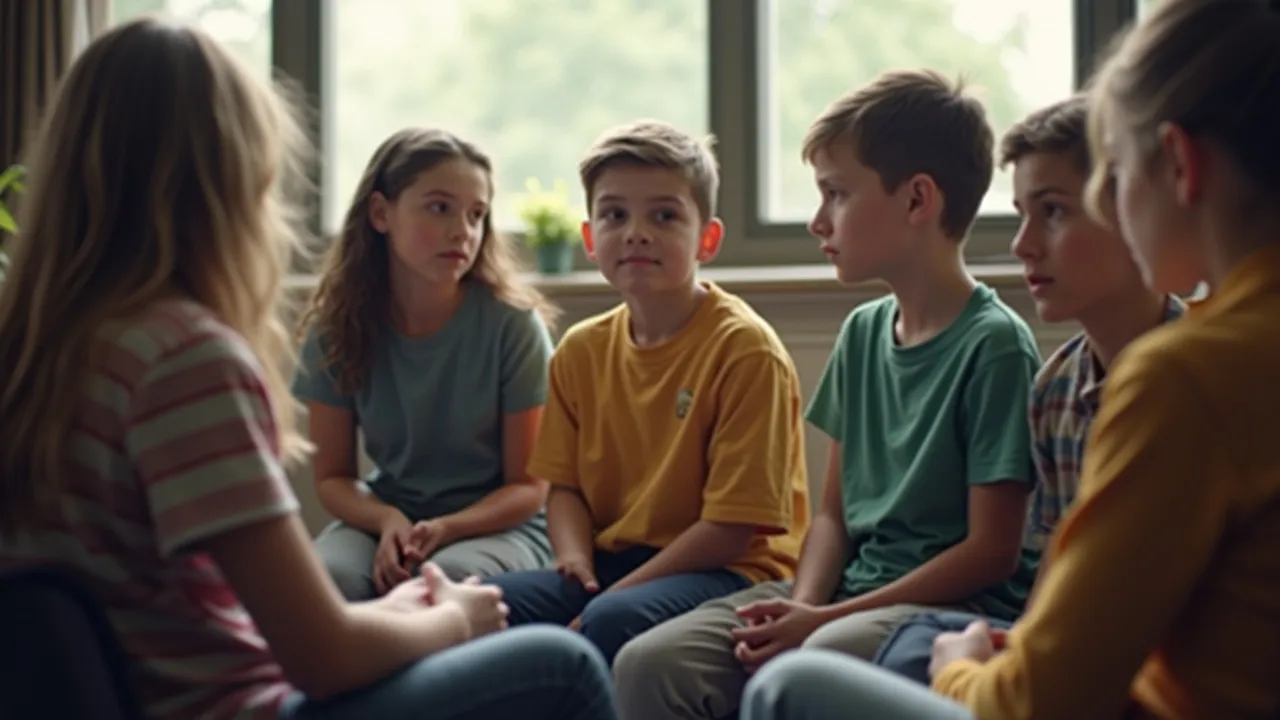
National Children's Mental Health Awareness Day, observed on the Thursday of the first full week of May, highlights the importance of mental health in youth and promotes early intervention, reducing stigma, and supporting emotional well-being.
The Historical Origins & Evolutionary Journey
National Children's Mental Health Awareness Day (NCMHAD) was established by the Substance Abuse and Mental Health Services Administration (SAMHSA) in 2005 to raise awareness about the importance of children's mental health and to demonstrate that positive mental health is essential to a child's healthy development. The day was first observed on May 7, 2005, and later cemented on the Thursday of the first full week of May.
The Foundational Catalyst
The early 2000s saw a growing recognition of mental health issues in youth, driven by rising rates of anxiety, depression, and suicide. Prior to this, children's mental health was often underfunded and stigmatized. SAMHSA, under the U.S. Department of Health and Human Services, launched the Awareness Day as part of a broader initiative to integrate mental health into pediatric care and education. Key partners included the American Academy of Pediatrics and the National Federation of Families for Children's Mental Health.
The Legislative/Official Adoption
In 2006, the U.S. Congress passed resolutions supporting the day, and it was officially recognized by presidential proclamation. Since then, federal agencies, state governments, schools, and nonprofit organizations have coordinated annual activities. The date was standardized to the Thursday of the first full week of May to coincide with Children's Mental Health Awareness Week, maximizing school participation.
Modern Global Legacy
While the day originated in the United States, its message has resonated globally. Countries such as Canada, the United Kingdom, and Australia have adopted similar awareness weeks. The World Health Organization (WHO) has endorsed youth mental health initiatives, aligning with NCMHAD goals. Today, the observance emphasizes early intervention, trauma-informed care, and equity in access to services, with a growing focus on digital mental health resources and school-based support.
How to Celebrate National Children's Mental Health Awareness Day
Celebrating this day involves activities that promote understanding, reduce stigma, and provide practical support for children's emotional well-being. Below are actionable strategies for individuals, schools, and organizations.
For Individuals and Families
- Open Conversations: Talk with children about emotions using age-appropriate language. Use books or videos to facilitate dialogue about feelings and coping strategies.
- Mindfulness Activities: Practice deep breathing, yoga, or meditation together as a family.
- Create a Safe Space: Designate a calm-down corner at home with sensory toys, journals, or art supplies.
- Share Resources: Post on social media about helplines like the SAMHSA National Helpline (1-800-662-4357) or Crisis Text Line (text HOME to 741741).
For Schools and Educators
- Wellness Check-ins: Use morning meetings or advisory periods to ask students how they are feeling.
- Classroom Lessons: Integrate social-emotional learning (SEL) into the curriculum, focusing on empathy and resilience.
- Awareness Assemblies: Host a speaker or screening of a mental health documentary.
- Partner with Therapists: Invite school counselors or local therapists for workshops on stress management.
For Organizations and Communities
- Green Ribbon Campaign: Distribute green ribbons as symbols of mental health awareness.
- Free Screenings: Offer free mental health screenings at community centers or online.
- Social Media Toolkits: Use SAMHSA's official hashtags: #NCMHAD and #MentalHealthMatters.
- Policy Advocacy: Write to local representatives about increasing funding for youth mental health services.
Regional variations exist: In the UK, Children's Mental Health Week occurs in February, while Australia holds Youth Mental Health Day in September. Adapt the strategies to local contexts.
Global Impact and Regional Variations
Though National Children's Mental Health Awareness Day is rooted in the U.S., its influence has spurred similar observances worldwide.
United Kingdom
Place2Be's Children's Mental Health Week (first week of February) focuses on resilience and self-expression. Schools participate with themed assemblies and fundraising.
Canada
Children's Mental Health Week (first week of May) aligns with NCMHAD, coordinated by the Canadian Mental Health Association. Activities include webinars and community walks.
Australia
Youth Mental Health Day (September) targets 12-25 year-olds, encouraging early help-seeking and peer support.
India and East Asia
While no official day exists, many NGOs run campaigns during World Mental Health Day (October 10) emphasizing child and adolescent mental health.
These global efforts underline a shared recognition that early intervention and destigmatization are critical for lifelong mental wellness.
Core Themes: Reducing Stigma and Promoting Early Intervention
The observance centers on combating stigma, encouraging early identification, and fostering resilience.
Stigma Reduction
Stigma remains the primary barrier to care. Campaigns use storytelling and influential voices to normalize mental health discussions. Schools implement anti-bullying programs and inclusive language policies.
Early Intervention
Research shows that 50% of all mental health conditions begin by age 14. Screening tools in pediatric offices and schools help identify at-risk children early. Programs like Signs of Suicide (SOS) teach teens to recognize symptoms.
Resilience Building
Teaching coping strategies—such as problem-solving, emotional regulation, and social support seeking—can prevent escalation. The concept of protective factors (safe relationships, self-esteem) is heavily promoted on this day.
The Role of Schools and Families in Supporting Child Mental Health
Schools and families are the front lines of children's mental health. Collaborative efforts are vital.
School-Based Mental Health Services
Many schools now employ counselors, social workers, and psychologists. Comprehensive school mental health systems integrate SEL, crisis response, and referral pathways. On Awareness Day, schools often launch new initiatives like peer mentoring or mindfulness corners.
Family Engagement
Parents are encouraged to model healthy coping, limit screen time, and monitor for behavioral changes. Workshops on topics such as "Managing Anxiety in Tweens" are common. SAMHSA provides family guides for discussion and resource navigation.
Support for Special Populations
Children in foster care, with disabilities, or from marginalized communities experience higher rates of mental health challenges. The day highlights culturally competent care and equitable access policies.
Policy and Advocacy: Strengthening the Safety Net
National Children's Mental Health Awareness Day energizes advocacy for systemic change.
Legislative Priorities
Key policy goals include increased funding for school-based health centers, expansion of telehealth services, and insurance parity for mental health. The Mental Health Services for Students Act and Child Mental Health Access Act are often spotlighted.
Community Coalitions
Local groups form alliances to lobby for better crisis response systems, such as mobile crisis teams and respite care. On Awareness Day, lawmakers are invited to roundtables with youth and families.
Data-Driven Approaches
Advocates push for improved data collection on youth suicide rates, access to care, and outcomes. The day serves as a platform to release reports and call for evidence-based practices.
Historical Timeline
SAMHSA establishes National Children's Mental Health Awareness Day, first observed on May 7, 2005.
U.S. Congress passes resolutions supporting the day; president issues proclamations.
SAMHSA partners with the American Academy of Pediatrics to integrate awareness into pediatric settings.
Date standardized to the Thursday of the first full week of May to align with Children's Mental Health Awareness Week.
10th anniversary; campaign focuses on trauma-informed care and resilience.
COVID-19 pandemic heightens focus on youth mental health; virtual events and resources expand.
Theme 'Connecting Resilience with Community Support' emphasizes social connections.
Record participation with over 1,000 organizations hosting events across all 50 states and international partners.