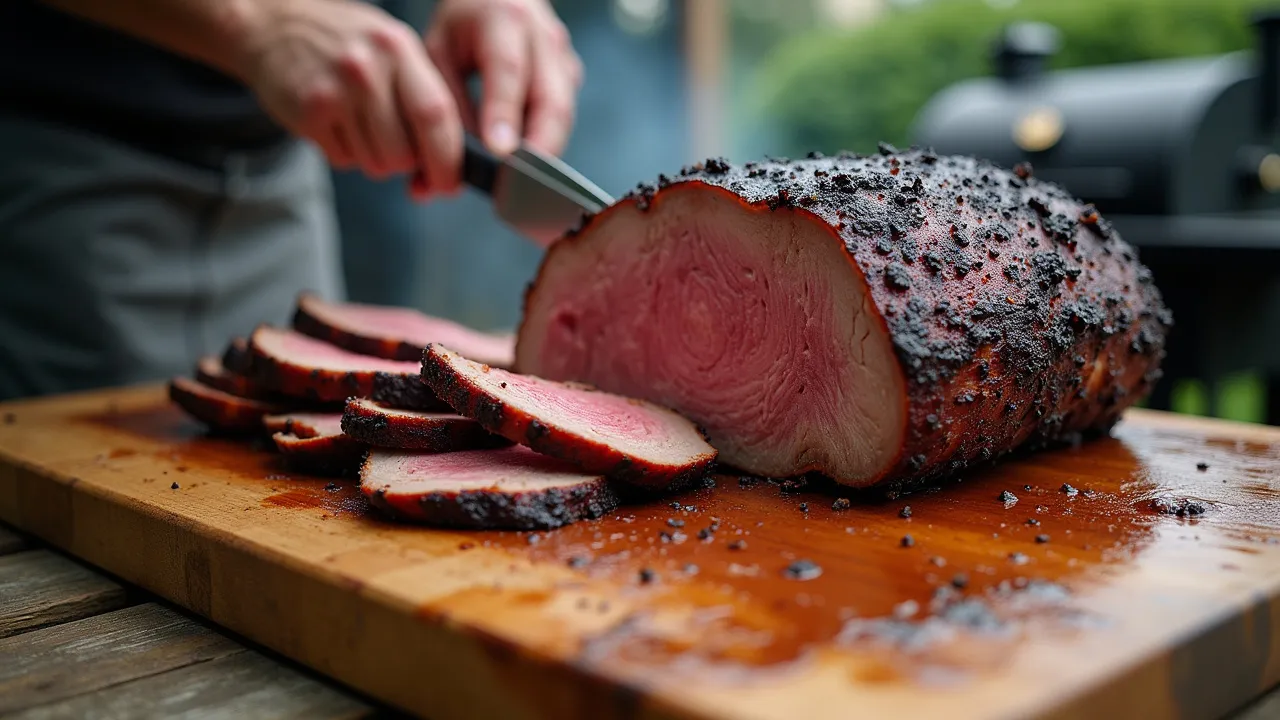
National Brisket Day, observed annually on May 28th, celebrates the slow-smoked perfection of beef brisket. From backyard pits to award-winning joints, this day honors a beloved staple of American barbecue culture.
The Historical Origins & Evolutionary Journey
National Brisket Day, observed on May 28th, traces its roots to the rise of barbecue culture in the United States. While brisket has been a staple of Jewish and Texas cuisine for generations, the dedicated day emerged from the broader movement to celebrate regional foods.
The Foundational Catalyst
Brisket, a tough cut from the cow's breast, requires low-and-slow cooking to break down collagen. This method was perfected by Texas pitmasters in the late 19th and early 20th centuries. The first commercial barbecue restaurants in Texas, like Black's Barbecue (established 1932) and Kreuz Market (1900), made brisket their centerpiece.
The Legislative/Official Adoption
National Brisket Day was officially recognized by the National Day Calendar around 2014, following petitions from barbecue enthusiasts and organizations like the Kansas City Barbeque Society. The date May 28th was chosen to kick off the summer grilling season, falling before Memorial Day weekend in some years.
Modern Global Legacy
Today, brisket is celebrated worldwide, with variations from Korean galbi-jjim to German Brisket mit Sauerkraut. The day promotes both home cooking and professional competitions, with events like the World Food Championships featuring brisket categories.
How to Celebrate National Brisket Day
Whether you're a seasoned pitmaster or a novice, National Brisket Day offers countless ways to participate. Here are actionable strategies for individuals, schools, and organizations.
For Individuals and Families
- Cook your own brisket: Start with a whole packer brisket, trim the fat cap to 1/4 inch, season with salt and pepper, and smoke at 225°F for 12-18 hours until internal temp reaches 203°F.
- Host a backyard barbecue: Invite friends and family for a brisket feast. Serve with classic sides like coleslaw, baked beans, and cornbread.
- Visit a local barbecue joint: Support pitmasters by ordering brisket from a reputable spot. Try varieties like lean, moist, or burnt ends.
For Schools and Educational Institutions
- Organize a culinary workshop teaching the science of smoking meat.
- Host a brisket tasting event to compare regional styles (Texas, Kansas City, Memphis, Carolina).
For Organizations and Communities
- Competition: Register for a Kansas City Barbeque Society (KCBS) sanctioned contest.
- Charity cook-offs: Use brisket sales to raise funds for local food banks.
Regional Variations & Global Traditions
While National Brisket Day is primarily an American observance, brisket holds a place in cuisines worldwide. Understanding these variations enriches the celebration.
Texas Style
Dry-rubbed with salt and pepper, smoked over post oak wood, served sliced with sauce on the side. Emphasis on beef flavor.
Korean Style
Galbi-jjim uses braised beef brisket with soy sauce, garlic, and vegetables. Served as a festive dish.
Jewish Style
Braised brisket with onions, carrots, and tomatoes, often served for holidays like Rosh Hashanah.
German Style
Brisket mit Sauerkraut slow-cooked with beer and spices, reflecting Central European roots.
Economic & Cultural Impact of Brisket
Brisket drives significant economic activity in the barbecue industry. According to the Barbecue Industry Association, brisket accounts for over 30% of sales at traditional barbecue restaurants. The day itself boosts meat sales, with retailers offering discounts.
Rise of Competitive Barbecue
Organizations like KCBS sanction hundreds of events annually, with brisket as a mandatory category. Prize pools can exceed $100,000.
Social Media Engagement
On May 28th, posts with hashtags #NationalBrisketDay and #Brisket reach millions, featuring recipes, photos, and restaurant promotions.
Health & Nutritional Considerations
Brisket is a nutrient-dense food, but mindful consumption is key. A 3-ounce serving provides 24g protein, 20g fat, and essential B vitamins. However, smoked meats contain compounds like polycyclic aromatic hydrocarbons (PAHs) that may increase cancer risk with high consumption.
Tips for Healthier Brisket
- Trim excess fat before cooking.
- Use a rub without added sugars or nitrates.
- Pair with vegetables and whole grains.
Future of Brisket Culture
As plant-based alternatives grow, the brisket industry explores plant-based brisket made from seitan or jackfruit. Smoking technology advances with pellet grills and smart thermometers. National Brisket Day will likely evolve to include these innovations while honoring traditional methods.
Historical Timeline
Kreuz Market opens in Lockhart, Texas, one of the first barbecue restaurants to feature brisket as a primary menu item.
Black's Barbecue opens in Lockhart, later becoming famous for its smoked brisket.
The rise of suburban backyard barbecue culture popularizes brisket across the United States.
The Kansas City Barbeque Society (KCBS) standardizes brisket competition rules, elevating its status in contests.
National Brisket Day is first observed on May 28th, recognized by the National Day Calendar.
World Food Championships introduces a brisket category, with a $100,000 prize pool.
Plant-based brisket alternatives gain traction, with brands like Impossible Foods launching brisket-style products.