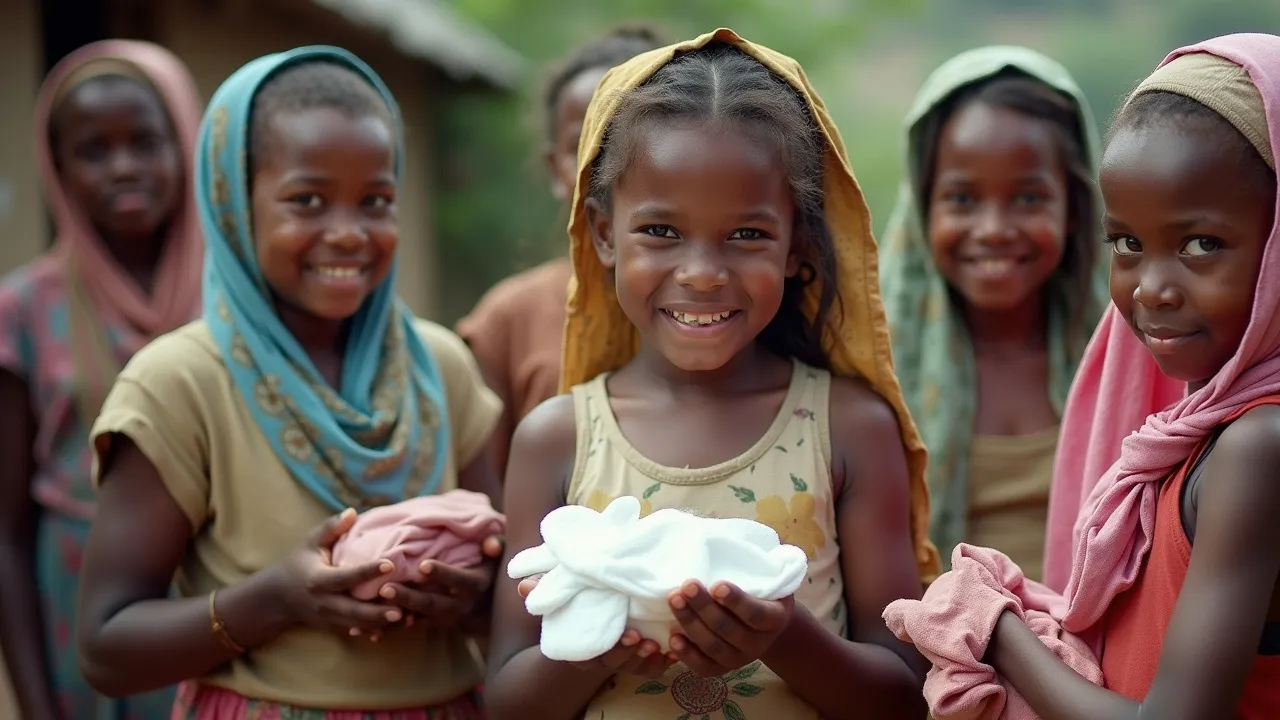
Menstrual Hygiene Day, observed annually on May 28th, aims to break the silence and raise awareness about the importance of good menstrual hygiene management worldwide. It advocates for ending stigma and ensuring access to safe products and facilities.
The Historical Origins & Evolutionary Journey
Menstrual Hygiene Day (MH Day) was initiated by the German non-profit organization WASH United in 2013, with the first official observance on May 28, 2014. The date was chosen strategically: May is the fifth month, symbolizing the average five-day menstruation period, and the 28th represents the average 28-day cycle. This symbolic alignment helps reinforce the message of menstrual health as a natural biological process.
The Foundational Catalyst
The movement began as a response to the widespread silence, stigma, and lack of basic facilities surrounding menstruation globally. WASH United, which specializes in water, sanitation, and hygiene (WASH) programs, recognized that menstrual hygiene was a neglected aspect of women's health and dignity. Early advocacy focused on breaking taboos and highlighting the impact on education and gender equality. The first campaign involved a coalition of over 300 partners worldwide, including NGOs, UN agencies, and corporations, all calling for an end to period poverty.
Legislative and Global Adoption
Within a few years, MH Day gained official recognition from major international bodies. In 2015, the United Nations included menstrual hygiene in the Sustainable Development Goals (SDGs), particularly targets related to health (SDG 3), education (SDG 4), and gender equality (SDG 5). Several countries, such as Kenya, India, and the United Kingdom, integrated MH Day into national health calendars. Legislative milestones include India's Menstrual Hygiene Policy (2015) and Scotland's Period Products Act (2020), which were influenced by the advocacy momentum of MH Day.
Modern Global Legacy
Today, MH Day is a global movement with events in over 100 countries. It has evolved from a single day of awareness to a year-round campaign, with annual themes like "Making Periods a Normal Fact of Life" (2019) and "No More Limits" (2023). The day has catalyzed policy changes, product innovations, and educational curricula that challenge deep-seated cultural taboos. Social media campaigns such as #ItsTimeForAction amplify voices from grassroots organizations, making MH Day a powerful force for systemic change.
How to Celebrate Menstrual Hygiene Day
Menstrual Hygiene Day can be celebrated by individuals, schools, communities, and organizations worldwide. The goal is to spread awareness, challenge stigma, and promote tangible action. Below are structured ways to participate, adapted to different contexts.
Individual Actions
- Educate yourself and others: Read about menstrual health, share facts on social media using #MenstrualHygieneDay, and correct myths in conversations.
- Donate or fundraise: Support organizations that provide menstrual products and WASH facilities in underprivileged regions.
- Initiate open dialogue: Talk to friends, family, or colleagues about periods to normalize the topic.
School and Community Initiatives
- Workshops: Organize sessions on menstrual hygiene management for both girls and boys, addressing biology, myths, and product options.
- Distribution drives: Collect and distribute reusable pads, tampons, or menstrual cups to local shelters or schools.
- Art and essay competitions: Invite creative expression around periods to break the silence.
Corporate and Organizational Involvement
- Policy changes: Implement free menstrual products in workplaces and schools, and provide paid menstrual leave if needed.
- Partnerships: Collaborate with NGOs like WASH United or Period.org to sponsor events or product donations.
- Internal campaigns: Host panel discussions, distribute informational materials, and encourage employees to participate in advocacy.
While the primary date is May 28, some regions adapt activities to local calendars. For example, in countries with long rainy seasons, awareness drives may shift to a drier month. The key is consistent action, not just a single day.
Global Impact and Societal Transformation
The ripple effects of Menstrual Hygiene Day extend far beyond a single observance. According to UNESCO, one in ten girls in Sub-Saharan Africa misses school during menstruation due to lack of facilities or products. MH Day campaigns have directly contributed to reducing these absences by advocating for better infrastructure. For instance, in Rwanda, nearly 60% of schools now have adequate menstrual hygiene facilities, up from 18% in 2015, thanks in part to MH Day partnerships.
Health and Economic Benefits
Improved menstrual hygiene reduces reproductive tract infections and improves maternal health outcomes. Economically, when girls stay in school, they are more likely to earn higher incomes later. The World Bank estimates that each year of secondary education can increase a girl's future earnings by 10-20%. Thus, MH Day indirectly supports poverty alleviation.
Cultural Shifts
The most profound impact is the erosion of stigma. In India, a 2022 survey found that 62% of urban women now feel comfortable discussing menstrual health openly, compared to 38% in 2014. Media coverage around MH Day has normalized periods in advertising, films, and public discourse. Actresses like Deepika Padukone and athletes like Serena Williams have spoken publicly about their periods, breaking long-held taboos.
Persistent Challenges and Stigma
Despite progress, significant barriers remain. Nearly 500 million women and girls globally lack access to menstrual products and adequate WASH facilities. In many communities, menstruation is still shrouded in religious or cultural restrictions, such as being isolated in huts, forbidden to cook or enter temples, or forced to miss school. These practices are deeply entrenched and require sustained community engagement to change.
The Menstrual Poverty Crisis
Period poverty—the inability to afford sanitary products—affects one in five women in high-income countries like the UK and US. During the COVID-19 pandemic, MH Day campaigns were crucial in lobbying governments to include menstrual products as essential items. While 12 US states have now passed laws requiring schools to provide free products, coverage is uneven.
Environmental Impact
Single-use plastics from disposable pads and tampons contribute to global waste. MH Day advocates for sustainable alternatives like menstrual cups, reusable pads, and period underwear. However, cost and availability remain barrier. Social enterprises like Saathi in India produce biodegradable pads from banana fiber, but scaling up is slow.
The Role of Education and Awareness
Education is central to MH Day's mission. Comprehensive sexuality education that includes accurate menstrual health information can transform attitudes. Studies show that when boys and girls learn together about periods, stigma reduces significantly. MH Day promotes 'period-positive' classrooms where menstrual hygiene is integrated into science and health curricula.
Digital Advocacy
Social media has been a powerful tool, with the #MenstrualHygieneDay hashtag reaching over 2 billion impressions in 2023. YouTube videos, Instagram infographics, and TikTok challenges make the topic accessible to young audiences. Online petitions have led to policy changes, such as the removal of 'luxury tax' on sanitary pads in several countries.
Men as Allies
Engaging men and boys is a key strategy. MH Day encourages fathers, brothers, and teachers to learn about menstrual health and support women. In Nepal, fathers are invited to 'period parties' where they learn to make reusable pads for their daughters. Such initiatives reduce embarrassment and foster family support.
Policy Advocacy and Sustainable Solutions
MH Day is not just about awareness; it drives concrete policy and infrastructure change. The Menstrual Hygiene Management (MHM) in Schools agenda, supported by UNICEF and WHO, sets guidelines for water, private changing rooms, and disposal. Advocacy under MH Day has pushed governments to allocate budgets for menstrual health. For example, in 2022, Kenya allocated KSh 1.2 billion for free sanitary pads in public schools.
Product Innovation
Affordable and eco-friendly products are key to sustainable menstrual hygiene. Innovations like the 'Femme' micropad, which dissolves in water, and reusable 'Ruby Cup' are promoted on MH Day. Local production reduces dependency on imports. In Africa, organizations like AFRIPads produce washable pads that last up to 12 months, costing only $3 per set.
Legal Frameworks
Legislation such as Scotland's Period Products Act (2020), which guarantees free access to products in public places, sets a precedent. MH Day activists campaign for similar laws globally. In the United States, the passage of the Menstrual Equity for All Act in some states is a direct result of sustained advocacy.
Historical Timeline
WASH United conceptualizes Menstrual Hygiene Day and begins building a global coalition of over 300 partner organizations.
First Menstrual Hygiene Day observed on May 28, with events in 45 countries focusing on breaking the silence and ending stigma.
The United Nations includes menstrual hygiene targets in the Sustainable Development Goals, amplifying the official recognition of the day.
India releases its National Menstrual Hygiene Policy, influenced by MH Day advocacy; the day is marked by a major Padma Shri award to T. E. Raja for his pad-making machines.
The World Bank launches the 'No More Limits' campaign on MH Day, highlighting the economic cost of period poverty.
Scotland passes the Period Products Act, becoming the first country to legally mandate free menstrual products; MH Day celebrates this milestone.
The #MenstrualHygieneDay hashtag reaches 1.5 billion impressions globally; UNFPA releases new guidelines for menstrual health in humanitarian settings.
MH Day theme 'No More Limits' focuses on ending period-related restrictions; over 1,000 events held in 120 countries.
Tenth anniversary of MH Day, with calls to integrate menstrual health into universal health coverage and climate resilience plans.