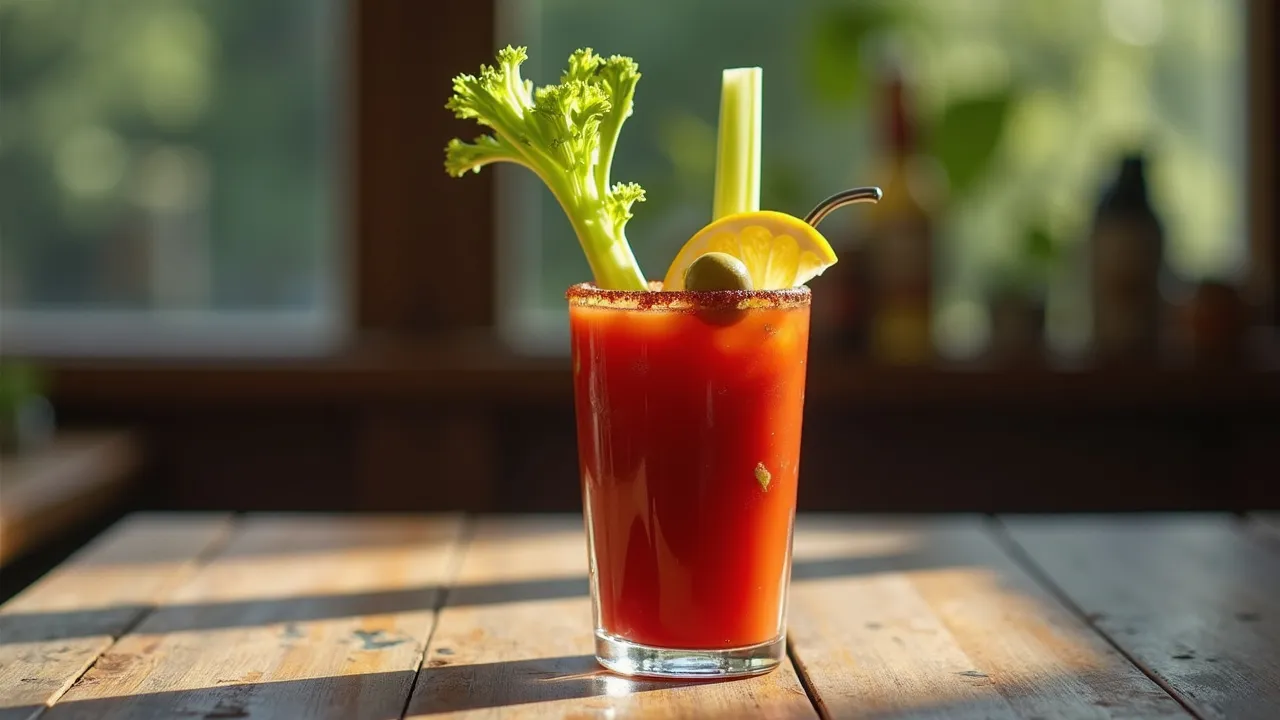
National Bloody Mary Day on January 1st celebrates the iconic cocktail known as a hangover cure. Learn its history, global variations, and best ways to enjoy this savory drink.
The Historical Origins of the Bloody Mary
National Bloody Mary Day, observed on January 1st, honors a cocktail that has become synonymous with brunch, hangover relief, and bold flavor. The history of the Bloody Mary is as rich and layered as its ingredients, tracing back to the 1920s in Paris.
The Foundational Catalyst
The Bloody Mary was invented in 1920 by Fernand Petiot, a bartender at Harry's New York Bar in Paris. Petiot mixed vodka with tomato juice, Worcestershire sauce, lemon juice, and spices, creating a savory cocktail that quickly gained popularity. The original name was "Bucket of Blood" after a Chicago nightclub, but later renamed to Bloody Mary, possibly referencing Queen Mary I of England or a waitress named Mary.
The Legislative/Official Adoption
While never officially legislated, the cocktail became a cultural staple in the United States after World War II, when vodka imports increased. By the 1950s, Bloody Marys were a brunch standard, and the rise of food holidays in the late 20th century led to the informal establishment of National Bloody Mary Day on January 1st—a perfect date for a hangover cure after New Year's Eve celebrations.
Modern Global Legacy
Today, the Bloody Mary has countless variations, from spicy to smoky, and is celebrated worldwide. Bars host contests for the best recipe, and home mixologists experiment with garnishes. The day serves as a nod to both the cocktail's longevity and its role in social gatherings.
How to Celebrate National Bloody Mary Day
Celebrating National Bloody Mary Day is about embracing the ritual of making and enjoying this versatile cocktail. Here are definitive guides for individuals, groups, and organizations.
For Individuals
- Master the Classic Recipe: Mix vodka, tomato juice, lemon juice, Worcestershire sauce, Tabasco, horseradish, salt, and pepper. Shake with ice and strain.
- Garnish Extravagantly: Add celery, olives, pickles, bacon, shrimp, or cheese cubes for a meal in a glass.
- Attend a Local Bar: Many establishments offer special Bloody Mary menus or build-your-own stations.
For Groups and Parties
- Host a Bloody Mary bar with various vodkas, juices, spices, and garnishes.
- Hold a recipe contest where guests vote on the best creation.
- Pair with brunch foods like eggs Benedict, pancakes, or charcuterie boards.
Global Traditions
In Japan, the Bloody Mary is often made with sake instead of vodka. In Mexico, mezcal adds a smoky twist. Canadians enjoy a Caesar cocktail—a Bloody Mary with clamato juice. Each region adds local ingredients, making the day a world tour of flavors.
Global Variations of the Bloody Mary
The Bloody Mary has inspired countless adaptations across the globe, each reflecting local tastes and ingredients. Here are some notable variations:
- Bloody Maria: Uses tequila instead of vodka, popular in Mexico and the southwestern US.
- Bloody Caesar: Canada's national cocktail, made with clamato juice (clam-tomato), vodka, and a celery-salt rim.
- Red Snapper: The original name in some circles, made with gin instead of vodka.
- Michelada: A Mexican beer cocktail with lime, spices, and tomato juice, sometimes considered a Bloody Mary cousin.
- Spicy Variations: In Korea, gochujang (chili paste) adds heat; in India, garam masala and curry leaves.
These variations demonstrate the cocktail's adaptability and global appeal.
The Bloody Mary's Cultural Impact
The Bloody Mary is more than a drink; it's a cultural icon. It appears in films like "The Hangover" and "Breakfast at Tiffany's," symbolizing sophistication or debauchery. The cocktail has its own themed festivals, merchandise, and even a dedicated day. Its association with brunch culture has influenced restaurant menus and social media trends. Bartenders worldwide compete in Bloody Mary championships, elevating it to an art form. The drink's health aura—due to tomato juice's vitamins—adds to its mystique as a "virtuous" cocktail.
Health Myths and Hangover Lore
The Bloody Mary is often touted as a hangover cure, but what's the science? Tomato juice provides vitamins B and C, lycopene, and electrolytes, which may help recovery. The alcohol, however, can dehydrate further. Some believe the spices stimulate metabolism. While not a cure, the ritual of making and sipping a Bloody Mary can ease symptoms through placebo and hydration (if consumed with water). National Bloody Mary Day encourages responsible enjoyment—it's best as a brunch companion rather than a morning-after remedy.
Recipes and Ingredients Masterclass
Creating the perfect Bloody Mary requires balance. Here's a breakdown of essential components:
The Base
- Vodka: Choose a smooth, neutral spirit. For a twist, use flavored vodka like pepper or bacon.
- Tomato Juice: Use high-quality, low-sodium juice for control over saltiness.
The Seasoning
- Acid: Lemon or lime juice brightens flavors.
- Heat: Tabasco, cayenne, or fresh jalapeños.
- Umami: Worcestershire sauce, soy sauce, or miso paste.
- Pungency: Fresh horseradish adds a kick.
The Garnish
- Classic: Celery stalk and olives.
- Decadent: Cooked bacon, shrimp, or mini sliders.
- Vegetarian: Pickled vegetables, cornichons, or cheese cubes.
Experiment with proportions to find your ideal mix.
Historical Timeline
Fernand Petiot invents the Bloody Mary at Harry's New York Bar in Paris. The original name is 'Bucket of Blood'.
Petiot moves to New York and works at the St. Regis Hotel's King Cole Bar, where the drink is refined and renamed 'Bloody Mary'.
The Bloody Mary becomes a brunch staple across America, thanks to rising vodka popularity and weekend brunch culture.
National Bloody Mary Day begins gaining traction on food holiday calendars, although exact origin is unclear.
Bloody Mary festivals and competitions emerge, with bars creating elaborate garnishes and recipes.
January 1st is widely recognized as National Bloody Mary Day, celebrated with brunch, recipes, and social media sharing.