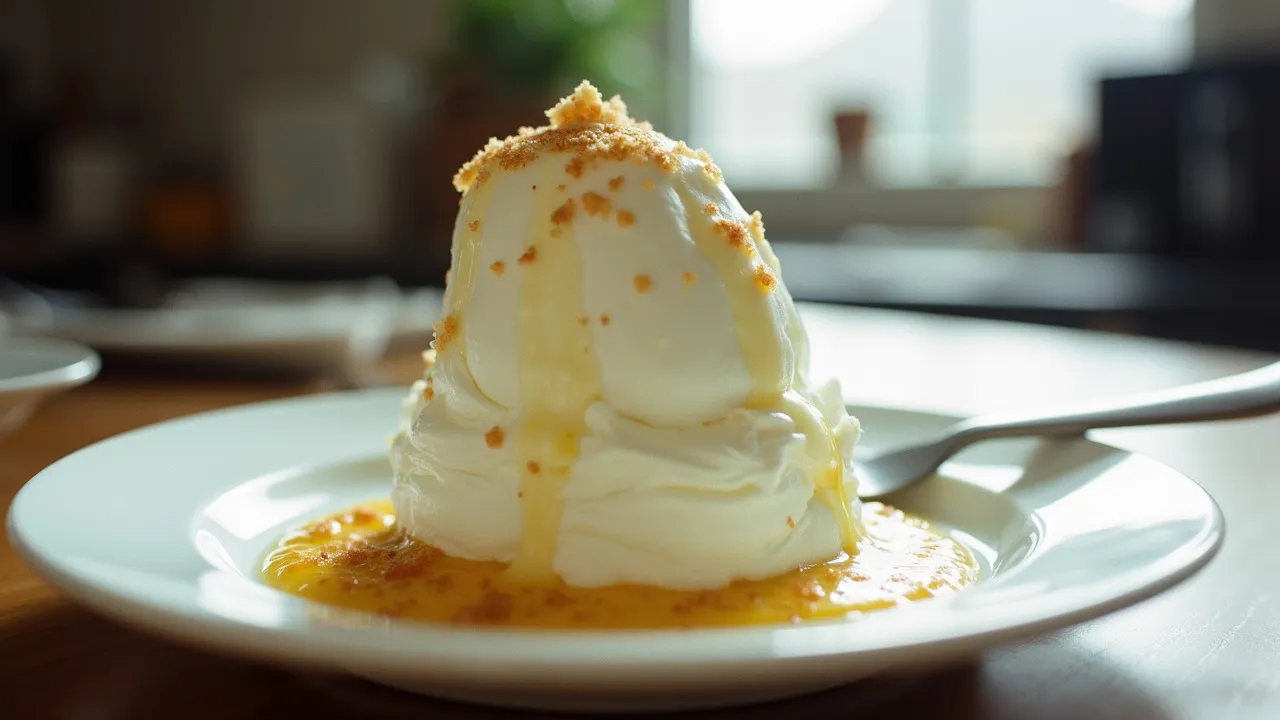
National Baked Alaska Day on February 1st honors the classic dessert of ice cream and cake encased in toasted meringue. Discover its rich history, global variations, and tips for making the perfect Baked Alaska at home.
The Historical Origins of Baked Alaska
The Foundational Catalyst
Baked Alaska, originally known as omelette norvégienne or Norwegian omelette, traces its roots to the 19th century. The dessert was created by French chef Charles Ranhofer at Delmonico's Restaurant in New York City in 1867 to celebrate the United States' purchase of Alaska. The name "Baked Alaska" was coined to honor the new territory. The dish consists of a layer of sponge cake topped with ice cream, all covered with meringue and quickly baked to brown the meringue while keeping the ice cream frozen. This innovative technique amazed diners and quickly became a symbol of culinary sophistication.
The Evolution of the Dessert
Over the decades, Baked Alaska evolved from a restaurant exclusive to a home kitchen favorite. The advent of electric ovens in the early 20th century made it easier to achieve the perfect browned meringue without melting the ice cream. Recipe books began featuring variations, such as using different cake bases or adding fruit layers. During the mid-20th century, Baked Alaska became a staple at banquet dinners and holiday celebrations, often presented with theatrical flair, sometimes flambéed with rum or brandy. Its popularity was further boosted by television cooking shows, where chefs demonstrated the seemingly magical feat of baking ice cream without it melting.
Modern Global Legacy
Today, Baked Alaska is enjoyed worldwide with countless adaptations. In France, it remains a classic dessert known as omelette norvégienne. In Japan, chefs incorporate matcha or red bean ice cream. Modern pastry chefs experiment with liquid nitrogen to create extra-cold interiors or savory versions with foie gras. The dessert continues to inspire creativity and remains a showstopper at celebrations, embodying a perfect blend of culinary history and innovative spirit. Its legacy is celebrated each year on National Baked Alaska Day, encouraging both amateur and professional bakers to explore this timeless treat.
How to Celebrate National Baked Alaska Day
Celebrating National Baked Alaska Day offers a perfect opportunity to indulge in this classic dessert and share it with others. Whether you are a seasoned baker or a curious novice, there are many ways to participate in the festivities.
For Home Bakers
- Prepare a classic Baked Alaska: bake a sponge cake, layer with your favorite ice cream, and cover with meringue. Brown the meringue using a blowtorch or a very hot oven for a few minutes.
- Experiment with flavor combinations: try chocolate cake with mint chocolate chip ice cream, or lemon cake with raspberry sorbet and toasted coconut.
- Host a Baked Alaska party: invite friends to bring their own variations and vote on the best creation.
For Restaurants and Bakeries
- Feature a special Baked Alaska on your menu for the day, perhaps with a unique twist like a seasonal fruit compote.
- Offer a Baked Alaska-making demonstration or hands-on class to engage customers and share the history of the dessert.
For Schools and Organizations
- Organize a dessert-themed fundraiser where attendees can create their own Baked Alaska.
- Use the day to teach the science behind the meringue insulation, combining culinary arts with a fun chemistry lesson.
No matter how you choose to celebrate, the key is to enjoy the process and the delicious results. National Baked Alaska Day is about appreciation for culinary craftsmanship and the joy of sharing a unique dessert.
The Science Behind Baked Alaska
Why Doesn't the Ice Cream Melt?
The magic of Baked Alaska lies in the insulating properties of meringue. Meringue is made from egg whites and sugar, whipped to incorporate air bubbles. These air pockets create a barrier that slows heat transfer. When the meringue is exposed to high heat, the sugars caramelize and the proteins set, forming a crust that further insulates the interior. The ice cream, being pre-frozen to a very low temperature and often having a high sugar content that lowers its freezing point, remains solid during the brief baking time. The key is to brown the meringue quickly, using a very hot oven (around 500°F) or a blowtorch, so the outside is toasted while the inside stays frozen.
Key Techniques for Success
- Ensure the ice cream is extremely well frozen, ideally overnight, before applying the meringue.
- Use a ice cream that is not too soft; hard ice cream holds its shape better.
- Completely seal the ice cream with meringue to prevent any melting from escaping.
- Let the assembled Baked Alaska rest in the freezer for at least an hour before baking to stabilize.
- For oven baking, place the dessert on a wooden board or a cold baking sheet to minimize bottom heat.
Understanding these science principles helps bakers achieve the perfect Baked Alaska every time, making it a reliable yet impressive dessert.
Global Variations of Baked Alaska
European Adaptations
In France, the dessert is known as omelette norvégienne, a name that reflects its origin as a Norwegian-inspired dish. The French version often uses a biscuit base and is flambéed with Kirsch or rum. In the United Kingdom, it is commonly called Baked Alaska or Norwegian omelette, and is frequently served at holiday dinners. Italian chefs sometimes incorporate gelato and panettone as the base.
Asian Twists
In Japan, Baked Alaska has been embraced with local flavors. Some versions use matcha ice cream with green tea cake, or red bean paste as a filling. In Korea, cafes offer Baked Alaska with sweet potato or black sesame ice cream. Australian and New Zealand bakers favor pavlova-style meringue, which is softer and chewier, paired with tropical fruits like passion fruit.
Modern Innovations
Contemporary chefs push boundaries by creating savory Baked Alaskas, such as using foie gras parfait with brioche and a meringue crust. Molecular gastronomy techniques incorporate liquid nitrogen to achieve an even colder interior, allowing for more intricate designs. Vegan versions use aquafaba meringue and coconut-based ice cream, making the dessert accessible to plant-based diets. These diverse variations demonstrate the versatility and enduring appeal of Baked Alaska across cultures.
Baked Alaska in Popular Culture
Television and Film
Baked Alaska has made memorable appearances on screen. It was featured in an episode of the acclaimed series Mad Men, where a character prepares it for a dinner party, symbolizing sophistication and domestic skill. The dessert also appears in cooking competition shows like Top Chef and MasterChef, where contestants are challenged to create a perfect Baked Alaska under time pressure. Its dramatic presentation—flaming or torched—makes it a favorite for visual storytelling.
Celebrity Chefs and Cookbooks
Renowned chefs such as Julia Child included Baked Alaska in her classic cookbook Mastering the Art of French Cooking. Martha Stewart has featured it in her holiday menus, and modern pastry chefs like Dominique Ansel have reinvented it with creative twists. These endorsements have cemented Baked Alaska's status as a timeless dessert that continues to inspire new generations of cooks.
Health and Dietary Considerations
Nutritional Profile
Traditional Baked Alaska is high in sugar, fat, and calories due to its three main components: cake, ice cream, and meringue. A typical serving can contain around 400-600 calories, with significant amounts of saturated fat and added sugars. However, it can be enjoyed in moderation as part of a balanced diet. For those with dietary restrictions, variations are possible.
Dietary Adaptations
- Vegan: Use plant-based ice cream (coconut, almond, or soy-based) and make meringue from aquafaba (chickpea water). The cake base can be made without eggs and dairy.
- Gluten-free: Substitute the sponge cake with a gluten-free flour blend or use a flourless chocolate cake. Ensure that all other ingredients are gluten-free.
- Low-sugar: Use sugar-free ice cream and reduce the sugar in the meringue, though the structure may be affected. Alternatively, use a sugar substitute like stevia or erythritol.
With these adaptations, almost everyone can enjoy a version of Baked Alaska on its national day. Always check labels for allergens and consult with a nutritionist if needed.
Historical Timeline
French chef Charles Ranhofer at Delmonico's in New York City creates a dessert of ice cream and cake encased in meringue, named 'Baked Alaska' to commemorate the U.S. purchase of Alaska.
The name 'Baked Alaska' first appears in print in a cookbook, solidifying the dessert's identity.
Baked Alaska gains widespread popularity in American households, thanks to modern ovens and frozen desserts. It becomes a common feature at dinner parties.
Microwave ovens inspire new techniques for making quick Baked Alaska, though traditional oven methods remain preferred for texture.
Molecular gastronomy chefs experiment with liquid nitrogen to create extremely cold interiors, allowing for more intricate and stable Baked Alaska presentations.
Vegan aquafaba meringue gains traction, leading to a surge in plant-based Baked Alaska recipes, making the dessert more inclusive.