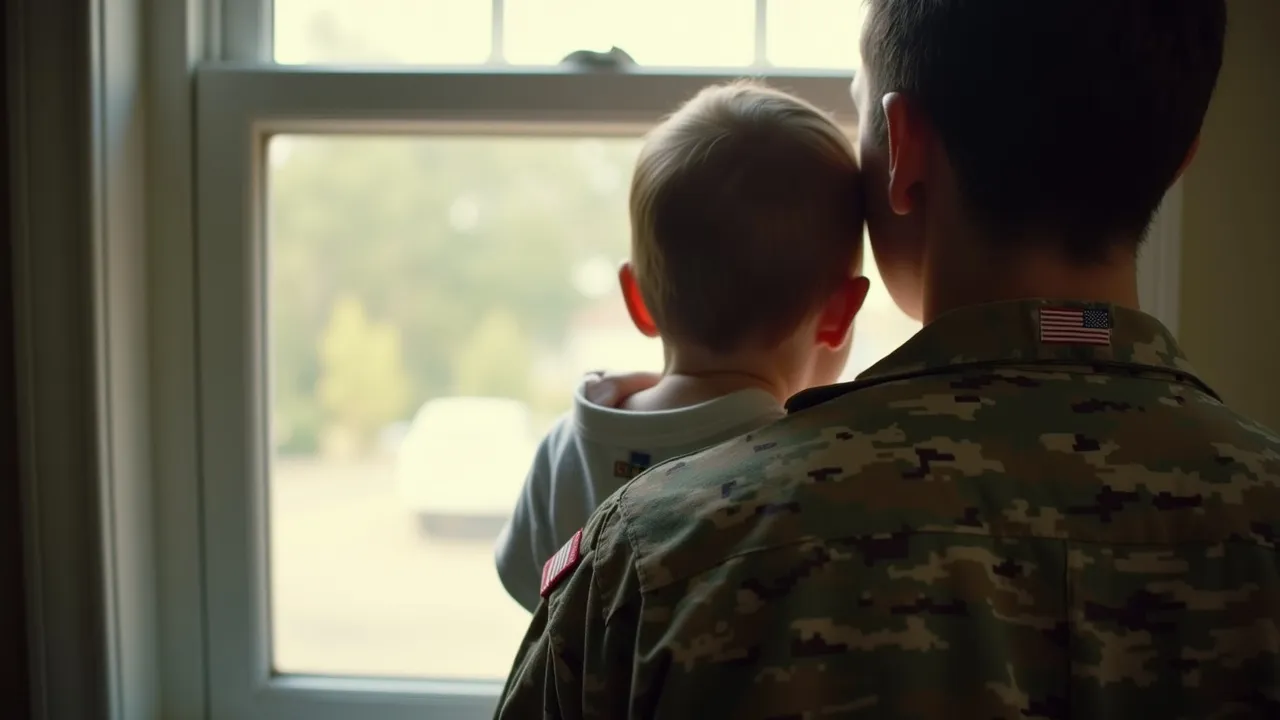
Observed on the Friday before Mother's Day, Military Spouse Appreciation Day honors the sacrifices and contributions of military spouses. Established in 1984 by President Ronald Reagan, it recognizes the vital role spouses play in supporting service members and the nation.
The Historical Origins & Evolutionary Journey
Military Spouse Appreciation Day, observed on the Friday before Mother's Day, has a rich history rooted in recognizing the unsung heroes behind the uniform. The day was officially established in 1984 by President Ronald Reagan through a presidential proclamation, marking the first formal acknowledgment of military spouses' critical role in national defense.
The Foundational Catalyst
The concept emerged from the growing awareness of the unique challenges faced by military families. During the Cold War era, the U.S. Department of Defense highlighted that a service member's readiness and retention were directly tied to family support. Spouses often managed households, children, and relocations single-handedly during deployments, facing frequent moves, financial strain, and emotional isolation. The proclamation aimed to boost morale and publicly thank these individuals for their resilience.
The Legislative/Official Adoption
While Reagan's 1984 proclamation initiated the observance, it was not until 1999 that the Secretary of Defense officially designated it as a Department of Defense (DoD) event. This formalization required all military branches to plan annual recognition activities, embedding the day into the military culture. In 2010, President Barack Obama further emphasized the day's importance by hosting the first White House Military Spouse Appreciation Day event, expanding its national visibility.
Modern Global Legacy
Today, the observance has evolved beyond U.S. borders. Allied nations like the United Kingdom, Canada, and Australia have adopted similar days to honor military spouses within their forces. Celebrations include base events, community parades, and online campaigns using hashtags like #MilitarySpouseAppreciationDay. The day also highlights advocacy for improved spousal employment, healthcare, and education benefits, reflecting ongoing societal support.
How to Celebrate Military Spouse Appreciation Day
Celebrating Military Spouse Appreciation Day can be deeply personal or community-wide. Below are actionable strategies for individuals, schools, and organizations to honor military spouses.
For Individuals
- Write a heartfelt letter: Express gratitude directly to a military spouse you know, acknowledging their specific sacrifices and strengths.
- Offer practical help: Babysit, cook a meal, or run errands for a military spouse, especially during deployment cycles.
- Social media shout-out: Post a tribute using #MilitarySpouseAppreciationDay, tagging the spouse or using generic supportive messages.
For Schools
- Host a recognition assembly: Invite military spouses to speak or perform; present handmade thank-you cards from students.
- Create a display: Set up a bulletin board featuring photos and stories of local military spouses.
- Teach about service: Incorporate lessons on the role of military families in history classes.
For Organizations
- Employee recognition programs: Offer flexible scheduling or a paid day off for military spouse employees.
- Sponsor events: Partner with military bases to host appreciation dinners, spa days, or family picnics.
- Donate to charities: Support organizations like the National Military Spouse Network or Blue Star Families that provide resources to spouses.
Globally, traditions vary: In the UK, tea parties and coffee mornings are common; in Canada, base community barbecues; in Australia, formal dinners with senior officers.
The Unseen Sacrifice & Resilience Theme
A central theme of Military Spouse Appreciation Day is the acknowledgment of the profound, often hidden sacrifices made by spouses. Unlike the service member's visible awards, a spouse's contributions are intangible: managing alone through deployments, uprooting careers with every permanent change of station (PCS), and maintaining emotional stability for children during a parent's absence. Studies show military spouses face unemployment rates 4–6 times higher than civilian peers due to frequent moves and licensing barriers. The day serves as a platform to advocate for policy changes, such as the Military Spouse Licensure Portability Act, which eases career continuity.
Global Impact & Allied Recognition
While the day originated in the U.S., its spirit has spread to allied nations. United Kingdom: Armed Forces Day (last Saturday in June) includes a focus on families; some units host separate spouse appreciation events. Canada: Canadian Armed Forces Family Appreciation Day (Friday before Remembrance Day) honors spouses. Australia: Defence Family Day (held in December) celebrates the wider family network. These international observances emphasize cross-cultural recognition of military spouses' contributions, fostering a global community of support.
Societal Themes & Industry Transformations
Employment and Economic Independence
The day spotlights the "military spouse employment gap". To address this, the U.S. government launched the Military Spouse Employment Partnership (MSEP), connecting spouses with portable careers. Over 300 companies participate, hiring thousands annually.
Mental Health and Well-being
Military spouses report higher rates of anxiety and depression. In response, the DoD expanded counseling services and telehealth options. The day promotes awareness of resources like the Military OneSource website.
Technology and Community Building
Digital platforms enable spouses to network globally. Facebook groups, like "Military Spouse Support Network," provide real-time advice. Apps like "MilSpouse Mentor" connect experienced spouses with newcomers.
Educational and Advocacy Impact
Schools and universities increasingly incorporate Military Spouse Appreciation Day into curriculum to teach students about citizenship and service. Advocacy groups use the day to push for legislative changes, such as expanding the Military Family Leave Act to include spouses. The day's educational role is crucial in fostering public understanding of military family dynamics.
Historical Timeline
President Ronald Reagan issues the first presidential proclamation establishing Military Spouse Appreciation Day, designating it as the Friday before Mother's Day.
The Secretary of Defense formally designates Military Spouse Appreciation Day as an official Department of Defense (DoD) observance, requiring all military branches to conduct annual recognition activities.
President Barack Obama hosts the first White House Military Spouse Appreciation Day event, bringing national attention to the day and highlighting spousal employment initiatives.
The Military Spouse Employment Partnership (MSEP) is launched, connecting thousands of military spouses with portable career opportunities from hundreds of partner companies.
Congress passes the Military Spouse Licensure Portability Act, easing professional license transfers for spouses relocating due to military orders.
Amid the COVID-19 pandemic, virtual events and online recognition campaigns surge, expanding the day's reach globally.