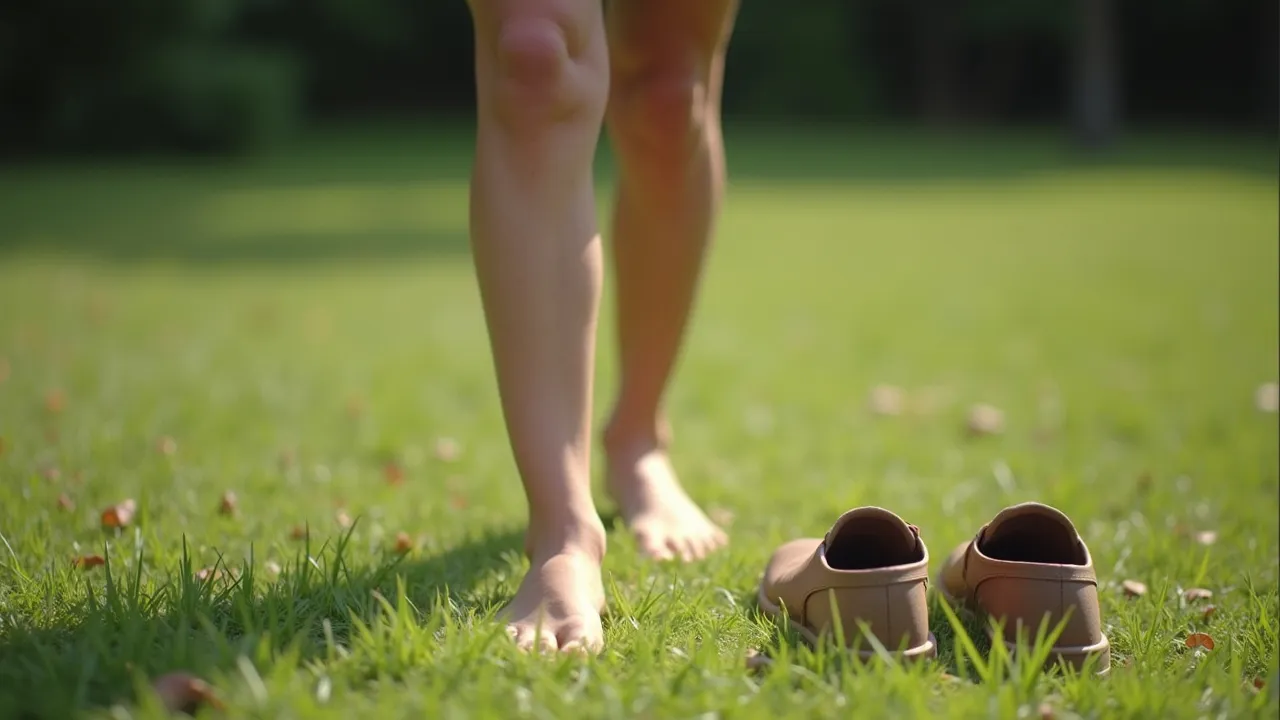
No Socks Day, observed on May 8th, encourages a day of sock-free freedom for comfort and a symbolic break from societal norms. Founded by Thomas Roy, it's a chance to let your feet breathe.
The Historical Origins & Evolutionary Journey
No Socks Day was founded by Thomas Roy, a prolific creator of offbeat holidays, in 1994 as a lighthearted rebellion against the daily grind. Roy, known for establishing days like "Talk Like a Pirate Day" and "National Hug Your Cat Day," aimed to give people a simple excuse to embrace comfort and reject minor social conventions.
The Foundational Catalyst
The idea emerged from a casual conversation about the annoyance of socks—how they get lost, develop holes, and restrict airflow. Roy saw an opportunity to promote a day where people could free their feet, literally and metaphorically. He pitched it to his network, and soon it gained traction through early internet forums and niche calendars.
The Legislative/Official Adoption
No Socks Day never achieved official government recognition, but it was adopted by various community groups, schools, and quirky event coordinators. By the early 2000s, it appeared in "Chase's Calendar of Events"—a respected reference for observances—solidifying its status as a recognized unofficial holiday.
Modern Global Legacy
Today, No Socks Day is celebrated by millions worldwide as a fun, low-stakes break from routine. It has spawned minor fashion statements and even charity events where participants donate new socks to the homeless (after enjoying their own sock-free day). The day's meaning has evolved from simple rebellion to a broader message about mental health and simplicity.
How to Celebrate No Socks Day
Celebrating No Socks Day is straightforward: go sock-free from morning until night. But to make it truly memorable, consider these detailed strategies for individuals, schools, and organizations.
For Individuals
- Morning: Start your day by leaving socks in the drawer. Wear sandals, loafers, or go barefoot at home.
- Work or School: If your environment allows, choose shoes that can be worn without socks (e.g., boat shoes, mules). For formal settings, try no-show socks as a compromise.
- Outdoor Activities: Walk on grass or sand to feel the ground—a grounding exercise that enhances the experience.
For Schools
- Announce: Use morning announcements to explain the day and encourage sock-free participation.
- Activities: Organize a "barefoot walk" in the playground (weather permitting) or a sock-decorating contest for creativity.
- Charity: Pair with a sock drive—students donate new socks to shelters after spending the day sockless.
For Organizations
- Casual Dress Code: Allow employees to wear open-toed shoes or go sockless, promoting a relaxed atmosphere.
- Themed Break Rooms: Decorate with reminders of foot comfort, such as foot massagers or essential oils.
- Team Building: Host a lunchtime "barefoot yoga" or stretching session.
In different cultures, adaptations vary. In Japan, removing socks is part of entering traditional rooms, so No Socks Day aligns with custom. In countries with cooler climates, participants may opt for indoors-only socklessness or switch to thick sandals.
Health Benefits of Going Sock-Free
While No Socks Day is primarily fun, it also offers genuine health advantages.
Foot Hygiene and Breathability
Wearing socks traps moisture and bacteria, leading to odor and fungal infections. A day without socks allows your feet to air out, reducing moisture buildup. Podiatrists often recommend sock-free intervals for people prone to athlete's foot.
Improved Circulation
Tight sock bands can restrict blood flow. Going sockless, especially with loose footwear, promotes better circulation in the lower extremities.
Strengthened Foot Muscles
Walking barefoot—or with minimal footwear—engages small stabilizing muscles in the feet. This can improve balance and reduce injury risk over time. However, always transition gradually to avoid strain.
Stress Reduction
Removing socks can feel liberating. The sensory experience of different textures underfoot (grass, carpet, sand) can have a calming effect, similar to grounding techniques used in mindfulness.
Environmental and Economic Impact
No Socks Day also carries subtle environmental and economic messages.
Reduced Laundry Load
One day without socks means one less pair to wash. If millions participate, the collective water and energy savings are notable. The average household does 300 loads of laundry yearly; skipping socks for one day reduces the load by about 0.3%—small but symbolic.
Extended Sock Lifespan
Socks wear out faster with daily use. Giving them a break extends their life, reducing textile waste. America alone throws away 26 billion pounds of textiles annually; small behavioral shifts help.
Consumer Awareness
The day encourages people to question consumer habits: Do we really need so many socks? Could we donate gently used pairs to charity? Many organizations use No Socks Day to launch sock drives, addressing a critical need for homeless populations.
Fashion Rebellion and Personal Expression
No Socks Day challenges the fashion norm that socks are mandatory with closed shoes.
The Rise of the Sockless Trend
In recent years, fashion icons have popularized the sockless look—wearing loafers, boat shoes, or sneakers without visible socks. No Socks Day gives everyone permission to try this style without judgment. Designers now create shoes with moisture-wicking linings specifically for sockless wear.
Breaking Societal Rules
The day is a small act of rebellion against dress codes and unwritten rules. It encourages people to prioritize comfort over conformity, which can boost confidence and individuality.
Inclusivity
No Socks Day is accessible to all: no purchase required, no special skills. It's a celebration that anyone can join, regardless of income or background. This inclusivity is a core part of its charm.
Psychological and Social Dimensions
Beyond the physical, No Socks Day has psychological and social effects.
Sense of Freedom
Simply removing socks can trigger feelings of liberation. It's a sensory cue that today is different, breaking the monotony of routine. This "mini-rebellion" can improve mood and motivation.
Community Bonding
Shared participation creates a sense of belonging. Social media campaigns under hashtags like #NoSocksDay unite people globally. Schools and offices that participate report increased camaraderie.
Conversation Starter
When someone notices you're sockless, it invites a lighthearted chat about the day. It's an easy icebreaker, fostering unexpected connections.
Anxiety Reduction
For those with social anxiety, the day offers a low-stakes excuse to step outside usual norms without fear of ridicule. It can be a gentle exposure therapy, building resilience in social settings.
Historical Timeline
Thomas Roy creates No Socks Day as part of his series of quirky holidays, first celebrated informally among friends and family.
No Socks Day is included in 'Chase's Calendar of Events', gaining official recognition as an annual observance.
Early internet forums and websites promote the day, leading to widespread grassroots adoption in the US.
The first recorded charity event tied to No Socks Day occurs in Portland, Oregon, where participants donate socks to homeless shelters after going sockless.
Social media platforms like Twitter and Facebook see viral #NoSocksDay trends, boosting international participation.
Several schools in the UK formally adopt No Socks Day as a fundraising event, pairing sock-free time with sock drives.
During the COVID-19 pandemic, No Socks Day gains added relevance as remote workers embrace casual attire; the day is promoted by mental health advocates for its grounding benefits.