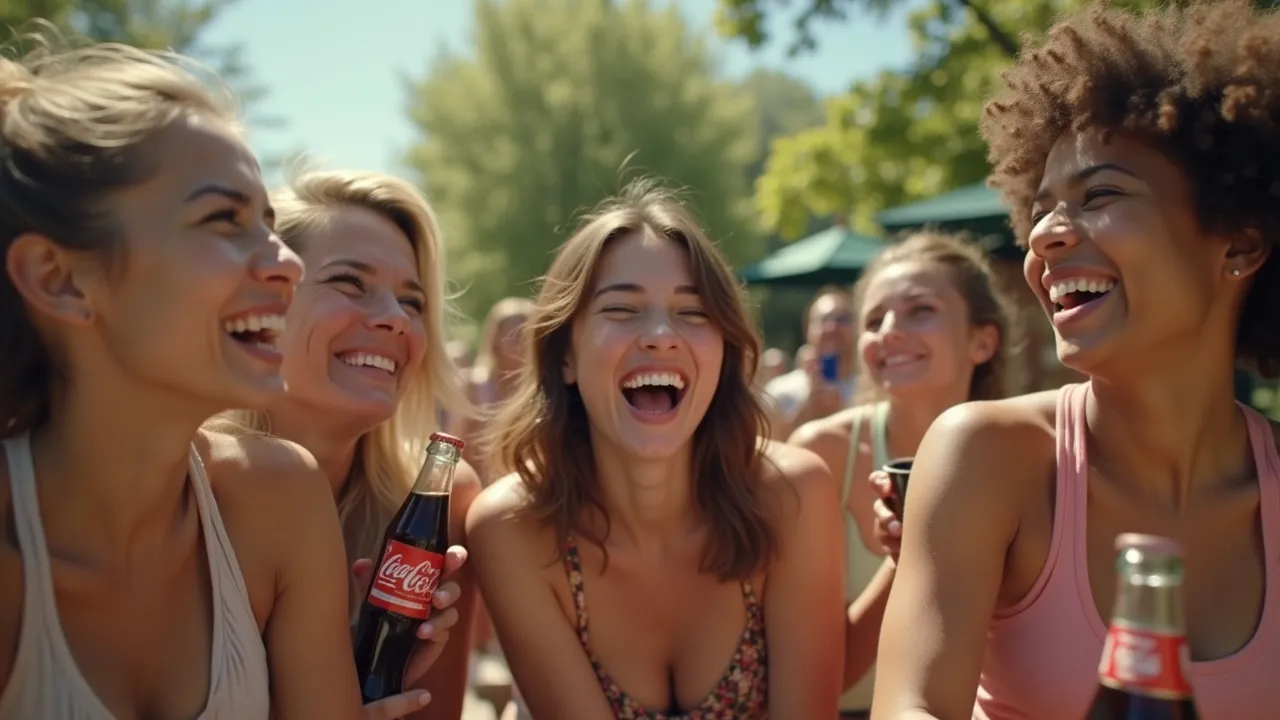
National Have a Coke Day on May 8 celebrates the iconic soft drink and its place in global culture. Enjoy a cold Coca-Cola and share the joy with friends.
History of National Have a Coke Day
National Have a Coke Day, observed annually on May 8th, traces its origins to The Coca-Cola Company's groundbreaking marketing campaigns. While Coca-Cola was invented in 1886 by Dr. John S. Pemberton, the specific holiday emerged from the 'Have a Coke' campaign launched in 2002. This campaign encouraged consumers to share a Coke with friends and family, embedding the brand into social bonding.
The Foundational Catalyst
The phrase 'Have a Coke' dates back to early 20th-century advertising, but it was revived in 2002 with personalized bottles featuring names and greetings. The campaign leveraged social media hashtags like #HaveACoke, leading to an unofficial holiday celebrated by fans. By 2010, National Have a Coke Day gained traction as a social media phenomenon, with users posting photos of themselves enjoying Coca-Cola.
Evolution into a Holiday
Unlike legislated holidays, National Have a Coke Day was grassroots-driven. Coca-Cola officially acknowledged the day in 2015, releasing limited-edition bottles and promotional deals. The holiday now symbolizes shared moments and nostalgia, aligning with the brand's identity as a universal refreshment.
Modern Global Legacy
Today, National Have a Coke Day is celebrated in over 50 countries, with variations in traditions. In the United States, it's a day for picnics and barbecues. In Japan, vending machines offer free samples. The day reinforces Coca-Cola's role in popular culture and its adaptability to local customs.
How to Celebrate National Have a Coke Day
Celebrating National Have a Coke Day is all about sharing joy and creating memories. Here are comprehensive ways to mark the occasion, from individual acts to large gatherings.
Personal Celebrations
- Enjoy a Classic Coke: Grab a cold bottle or can of Coca-Cola—original, zero sugar, or vanilla. Pair it with your favorite snack.
- Create a Tasting Party: Try different Coca-Cola variants from around the world, such as Mexican Coke (cane sugar), Thai Coke (sweeter), or Japanese Coke with lemon.
- DIY Coke Floats: Combine Coca-Cola with vanilla ice cream for an old-fashioned float. Add chocolate syrup for extra flair.
Social Gatherings
- Host a BBQ: Invite friends for grilled burgers and Coca-Cola. Use personalized bottles as party favors.
- Photo Challenge: Share pictures of yourself holding a Coke on social media using #NationalHaveACokeDay. Tag friends to spread the cheer.
- Volunteer with Coke: Donate Coca-Cola to local shelters or community events. Many organizations accept beverage donations for celebrations.
Corporate and School Events
- Office Break: Employers can offer free Cokes to employees during break time. Set up a 'Coke station' with fun facts about the brand.
- School Lessons: Teachers can incorporate the history of Coca-Cola into business or marketing classes. Students can analyze advertising campaigns.
In countries like Mexico, families often have a big dinner with Coca-Cola as the centerpiece. In India, it's common to share a Coke with neighbors. The key is to personalize the experience and focus on togetherness.
The Secret Formula: Coca-Cola's Unique Taste
Coca-Cola's taste is legendary, known for its distinct blend of flavors. The recipe, created by Dr. John Pemberton in 1886, remains a closely guarded trade secret.
Ingredients and Flavor Profile
The primary ingredients include carbonated water, sugar (or high-fructose corn syrup in the US), caramel color, phosphoric acid, natural flavors, caffeine, and cocoa extract. The exact combination of natural flavors—often referred to as 'Merchandise 7X'—is known to only a few employees. The flavor is citrusy, with notes of vanilla, cinnamon, and spice.
Variations Worldwide
- Mexican Coke uses cane sugar, giving a sweeter, more complex taste.
- Diet Coke (introduced 1982) uses aspartame for a sugar-free option.
- Coca-Cola Zero Sugar aims to replicate original taste without calories.
- Coca-Cola with Coffee combines cola and coffee for a caffeine boost.
Why Is It So Addictive?
The high sugar and caffeine content create a pleasurable response, while the carbonation and acidity enhance refreshment. The brand's marketing reinforces emotional connections, making each sip feel nostalgic.
Coca-Cola Around the World
Coca-Cola has become a global icon, adapted to local tastes and cultures. On National Have a Coke Day, different regions celebrate uniquely.
United States
Americans often host cookouts with hamburgers and hot dogs. Many restaurants offer free Cokes or discounts. It's also a day for mini road trips, stopping at historic soda fountains.
Japan
Japan offers exclusive flavors like Peach and Sakura. Vending machines are decorated in red, and some give free cans. Friends exchange Coke-themed gifts.
Mexico
Mexico's Coca-Cola, made with real sugar, is a staple. Families gather for a meal of tacos and tamales, pairing them with Coke. Some towns have parades.
India
In India, Coca-Cola is often mixed with spices like masala or lemon. Street vendors sell 'Coke Chaat'—a tangy snack with crushed soda. Celebrations include sharing a bottle with neighbors.
These diverse traditions show how a single beverage can bridge cultures while preserving local identity.
Health Considerations and Fun Facts
While National Have a Coke Day is about enjoyment, it's important to consider health aspects. Coca-Cola can be part of a balanced diet when consumed in moderation.
Nutritional Profile
- A 12-ounce can of original Coca-Cola contains 140 calories and 39 grams of sugar.
- Diet Coke has zero calories and artificial sweeteners.
- Excessive consumption is linked to obesity and dental issues.
Responsible Consumption Tips
- Opt for smaller portions (e.g., 7.5 oz mini cans).
- Alternate with water to stay hydrated.
- Choose sugar-free variants if watching calories.
Fun Facts About Coca-Cola
- World's most recognized brand: Coca-Cola is recognized by 94% of the world's population.
- Santa Claus image: Coca-Cola's 1930s ads popularized the modern red-suited Santa.
- First bottled in 1894: Before that, it was sold as a fountain drink.
- Contains cocaine?: No, but original formula included coca leaf extract (de-cocainized).
Understanding these facts enhances appreciation for the brand's history and impact.
The Future of Coca-Cola
As consumer preferences shift, Coca-Cola continues innovating. National Have a Coke Day may evolve with new trends.
Sustainability Efforts
Coca-Cola aims to use 50% recycled material in its bottles by 2030 and reduce plastic waste. The company has introduced PlantBottle packaging made partly from plants.
New Products
- Coca-Cola Energy (2019) targets the energy drink market.
- Coca-Cola Starlight (2022) was a limited-edition space-themed flavor.
- Coca-Cola Zero Sugar Byte (2022) was designed for gamers.
Digital Engagement
Augmented reality campaigns and personalized bottles with names remain popular. The brand uses AI to generate custom hashtags and filters for social media. Future National Have a Coke Day celebrations may include virtual gatherings and metaverse experiences.
The company's ability to reinvent itself ensures that the holiday remains relevant for generations to come.
Historical Timeline
Dr. John S. Pemberton creates Coca-Cola syrup, initially sold as a fountain drink at Jacobs' Pharmacy in Atlanta, Georgia.
Coca-Cola is bottled for the first time by Joseph Biedenharn in Vicksburg, Mississippi.
The contour bottle design is patented, becoming a globally recognized icon.
Coca-Cola commissions Haddon Sundblom to create Santa Claus illustrations, shaping the modern image of Santa.
Diet Coke is introduced, becoming the most successful new soft drink since Coca-Cola itself.
The 'Have a Coke' marketing campaign launches with personalized bottles, sparking the eventual birth of National Have a Coke Day.
Coca-Cola officially acknowledges National Have a Coke Day, releasing limited-edition packaging and promotional events worldwide.
During the COVID-19 pandemic, National Have a Coke Day shifts to virtual celebrations, with social media trends like #CokeToast.