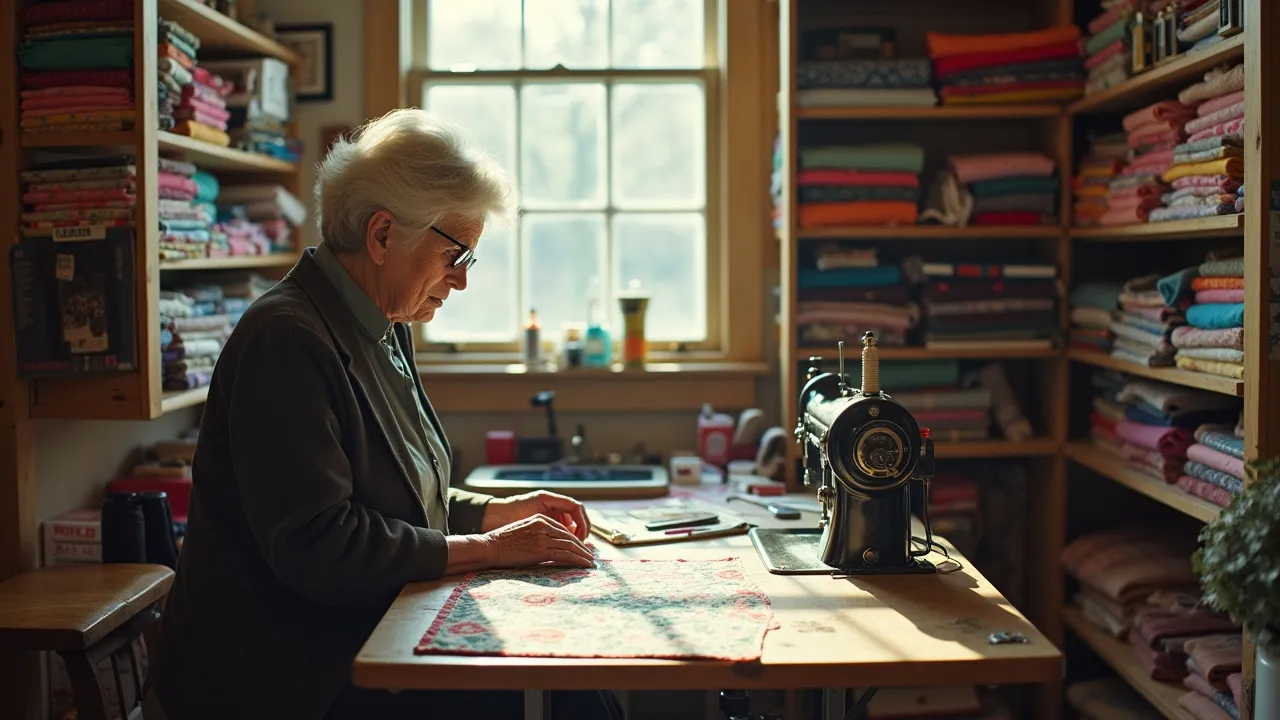
Local Quilt Shop Day, celebrated on the fourth Saturday of January, honors the vital role of independent quilt shops in fostering creativity, community, and the art of quilting. It's a day to shop local, take a class, and support small businesses.
The Historical Origins & Evolutionary Journey of Local Quilt Shop Day
The Foundational Catalyst
The celebration of Local Quilt Shop Day emerged from a grassroots movement among independent fabric and quilting retailers who recognized the need to raise public awareness about their unique contributions to the quilting ecosystem. In the early 2000s, as big-box craft chains and online fabric stores began to dominate the market, many small quilt shops faced closure. Owners, often themselves passionate quilters, banded together through organizations like the Quilt Alliance and the International Quilt Association to create a dedicated day that would drive foot traffic and highlight the personalized service, expert knowledge, and community atmosphere that only a local quilt shop can provide.
The Legislative/Official Adoption
Although Local Quilt Shop Day is not a federally recognized holiday, it gained official status within the quilting community in 2017 when the Quilt Alliance, in collaboration with a coalition of independent shop owners, launched a coordinated campaign to declare the fourth Saturday of January as a day of celebration. The date was chosen strategically—falling after the holiday season and before the busy spring quilting calendar—to give shops a mid-winter boost. Local chambers of commerce in quilt-heavy regions like Paducah, Kentucky, and Hamilton, Missouri, issued proclamations supporting the day, and quilt guilds nationwide adopted it into their annual programming.
Modern Global Legacy
Since its inception, Local Quilt Shop Day has grown beyond US borders, with shops in Canada, Australia, the United Kingdom, and Japan organizing special events. The day now serves as a powerful reminder of the economic and cultural value of small businesses. It also acts as a catalyst for intergenerational learning, as many shops offer beginner classes that introduce younger generations to the craft. In 2024, an estimated 1,200 independent quilt shops participated worldwide, offering discounts, trunk shows, and charity quilt drives. The day has become a cornerstone of the quilting community's annual cycle, reinforcing the idea that local shops are irreplaceable hubs of creativity and connection.
How to Celebrate Local Quilt Shop Day
Whether you are a seasoned quilter or a complete beginner, Local Quilt Shop Day offers countless ways to engage. Below is the definitive guide to celebrating meaningfully.
For Individuals
- Visit your local quilt shop in person. Simply walking through the door and making a purchase—whether it is a yard of fabric, a new rotary cutter, or a pattern—directly supports the business.
- Take a class or workshop. Many shops offer free mini-classes on this day, covering topics like machine quilting, hand appliqué, or fabric selection.
- Join a guild or club. Ask about ongoing groups that meet at the shop; becoming a regular builds community.
- Participate in a charity sew-in. Some shops organize group projects to make quilts for hospitals, shelters, or veterans.
- Share on social media. Use hashtags like #LocalQuiltShopDay and #ShopLocalQuilt to spread awareness and tag your favorite shop.
For Schools and Organizations
- Host a field trip. Arrange for a class to visit a local shop for a demonstration on how fabric is produced or how quilts are made.
- Organize a fabric drive. Collect new or gently used fabric donations to support the shop’s community outreach programs.
- Invite a quilt shop owner to speak. Career days or craft clubs can benefit from hearing about the business side of quilting.
For Corporate and Community Groups
- Sponsor a block-of-the-month program. Partner with a shop to provide materials for a community quilt project.
- Offer employee quilting kits. Encourage team members to explore quilting by gifting small starter kits from the local shop.
- Donate to the shop’s scholarship fund. Many shops sponsor young quilters through educational grants.
In regions like Australia and the UK, celebrations often include afternoon tea events or online trunk shows for those unable to attend in person. Regardless of location, the core principle remains: show up, learn something, and purchase something to keep the tradition alive.
The Economic Impact of Local Quilt Shops
Local quilt shops are far more than quaint retail spaces—they are engines of local economic vitality. According to a 2023 report by the Craft & Hobby Association, independent fabric and quilt stores generate over $1.2 billion in annual revenue in the United States alone, employing tens of thousands of workers. These shops typically source a significant portion of their inventory from local or regional designers and manufacturers, creating a multiplier effect that benefits the entire supply chain. On Local Quilt Shop Day, the influx of customers can boost a shop’s monthly sales by 30-50%, providing critical cash flow during the slow winter season. Moreover, quilt shops often serve as tourist destinations, attracting visitors to historic downtown districts. Towns like Paducah, Kentucky, and Lancaster, Pennsylvania, have built entire tourism campaigns around their quilt shops, drawing thousands of visitors annually. The day also encourages cross-promotion with other local businesses—coffee shops, restaurants, and hotels—further strengthening the local economy.
The Role of Quilt Shops in Preserving Craft Heritage
Quilt shops act as living museums of textile heritage. They stock not only modern fabrics but also reproduction prints that replicate patterns from the 18th and 19th centuries, allowing quilters to create historically accurate pieces. Many shop owners are themselves experts in quilt history, offering classes on antique quilt restoration and period-appropriate construction techniques. Local Quilt Shop Day amplifies this educational role by featuring special exhibits of vintage quilts or tool demonstrations. For example, shops often display hand-quilting frames, indigo-dyed fabrics, and feed sack prints—the same materials used by pioneer women. By patronizing these shops, the public helps preserve techniques that might otherwise fade from memory. The day also highlights the intergenerational transfer of skills; grandmothers bring granddaughters to pick out fabric for a first quilt, ensuring that the craft continues. In an era of fast fashion and disposable goods, quilt shops stand as bastions of slow, intentional creativity.
Global Quilting Traditions and Local Shop Adaptations
Quilting is a worldwide phenomenon, and local shops reflect the unique traditions of their regions. In the United States, shops celebrate Local Quilt Shop Day with sales on Americana fabrics and patriotic patterns. In Japan, shops focus on precision patchwork and sashiko stitching, offering workshops on these techniques. Australian quilt shops highlight indigenous fabrics featuring native flora and fauna, while shops in the United Kingdom emphasize English paper piecing and Welsh wholecloth quilts.
During the day, many shops host global trunk shows where customers can see quilts made in different countries. Online, shops collaborate to offer virtual tours of their stores, allowing quilters from around the world to experience diverse aesthetics. This cross-cultural exchange enriches the quilting community and reinforces the idea that quilt shops are portals to a global craft tradition. The day also serves as a reminder that while styles vary, the core values of community, creativity, and craftsmanship are universal.
The Future of Quilt Shops in the Digital Age
As e-commerce giants continue to reshape retail, local quilt shops are adapting by blending physical and digital experiences. Many now offer online ordering with curbside pickup, virtual classes via Zoom, and robust social media presences that showcase new fabrics and projects. Local Quilt Shop Day has become a testing ground for these innovations, with shops experimenting with live-streamed trunk shows, Instagram giveaways, and interactive Facebook events. The day also encourages shops to invest in user-friendly websites and email newsletters, ensuring they remain competitive.
Looking ahead, quilt shops are likely to become community makerspaces, offering not only fabric but also longarm quilting services, laser cutting for appliqué, and rental sewing stations. The resilience shown during the COVID-19 pandemic—when many shops pivoted to curbside fabric “grab bags” and online tutorials—demonstrates that these businesses can thrive even in challenging times. Local Quilt Shop Day provides an annual opportunity to remind customers that the personal touch, expert advice, and sense of belonging offered by a brick-and-mortar shop cannot be replicated by an algorithm.
Historical Timeline
Quilting becomes a widespread domestic craft in colonial America, with fabric sourced from local general stores—the earliest ancestors of today's quilt shops.
The first dedicated fabric stores appear, selling cotton prints and quilting supplies. The Great Depression sees a surge in quilting as a frugal art form.
The American Bicentennial sparks a nationwide revival of traditional crafts, leading to a boom in quilt shop openings across the United States.
The Quilt Alliance is founded to support independent quilt shops and document the art of quilting, setting the stage for a dedicated awareness day.
A pilot program called 'Shop Local Quilt Day' is tested by a group of 50 shops in the Midwest, yielding positive results in sales and community engagement.
The Quilt Alliance officially declares the fourth Saturday of January as Local Quilt Shop Day, with over 300 shops participating in the inaugural event.
Despite the COVID-19 pandemic, quilt shops adapt with curbside pickup and virtual events. Local Quilt Shop Day sees record online engagement.
Local Quilt Shop Day reaches global participation, with shops in 15 countries hosting events. The day is credited with helping many shops recover from pandemic losses.