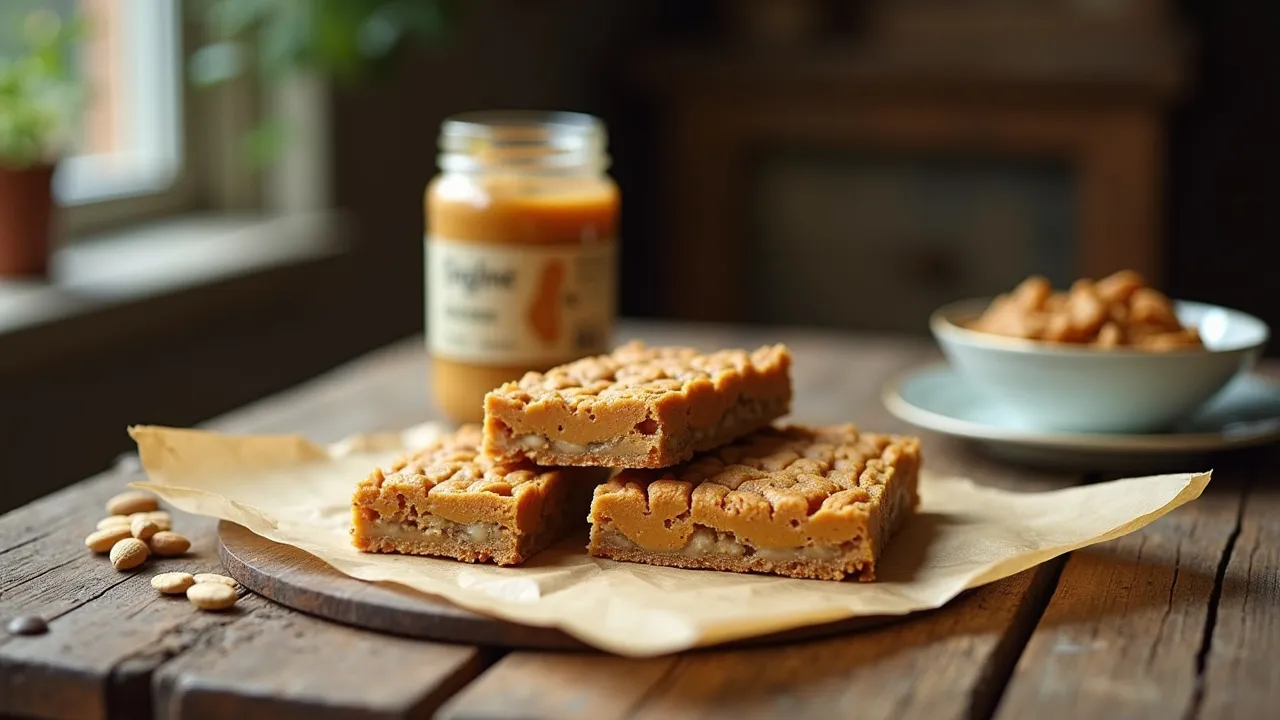
Celebrated every January 24th, National Peanut Butter Bar Day honors the beloved snack combining peanut butter and crispy treats. Dive into its history, recipes, and global celebrations.
The Historical Origins & Evolutionary Journey
National Peanut Butter Bar Day, observed on January 24th, traces its roots to the late 1990s when the National Peanut Board sought to promote peanut consumption through a creative, fun food holiday. The day specifically highlights the peanut butter bar—a dessert or snack bar made with peanut butter as a key ingredient.
The Foundational Catalyst
Peanut butter itself has a long history: the modern version was patented by Dr. John Harvey Kellogg in 1895, and by the early 20th century it became a staple. The peanut butter bar emerged as a convenient, energy-dense snack, especially popularized during the 1930s as a homemade treat during the Great Depression. The first recorded peanut butter bar recipe appeared in a 1932 community cookbook from the Midwest.
The Official Adoption
In 1998, the National Peanut Board officially declared January 24th as National Peanut Butter Bar Day to coincide with the post-holiday lull and to encourage healthier snacking. The date was chosen arbitrarily but has since become a fixture in food calendar.
Modern Global Legacy
Today, the day is celebrated across the United States and increasingly in other countries. Peanut butter bars have evolved into countless variations: chocolate-dipped, no-bake, vegan, gluten-free, and even protein-packed versions. Social media platforms buzz with recipes and baking challenges every January 24th.
How to Celebrate National Peanut Butter Bar Day
Celebrating this day is deliciously simple. Here are detailed strategies for individuals, schools, and organizations worldwide.
For Individuals and Families
- Bake from scratch: Try a classic recipe combining peanut butter, oats, honey, and chocolate chips. Use official recipes from the National Peanut Board.
- Host a tasting party: Gather friends to sample store-bought and homemade bars. Vote on favorites.
- Share on social media: Post photos with hashtag #PeanutButterBarDay and tag @NationalPeanutBoard.
For Schools and Educational Programs
- Classroom baking project: Teach measurement and fractions while making no-bake peanut butter bars.
- Nutrition lesson: Discuss the health benefits of peanuts—protein, healthy fats, and vitamins.
- Fundraiser: Sell homemade bars to raise money for school activities.
For Organizations and Businesses
- Office potluck: Encourage employees to bring their own variations of peanut butter bars. Award prizes.
- Product launches: Bakeries and cafes can introduce limited-edition peanut butter bars.
- Charity partnerships: Donate a portion of sales to hunger relief organizations.
Global Celebrations
While primarily observed in the US, countries like Canada, Australia, and the UK have adopted the day. In India, peanut butter bars are often made with jaggery and local spices. In Brazil, a version uses brigadeiro and peanuts. The key is adapting the core to local flavors.
Health Benefits & Nutritional Profile
Peanut butter bars can be part of a balanced diet when made with wholesome ingredients. Peanut butter itself is rich in monounsaturated fats, protein, and fiber. It also contains vitamin E, magnesium, and potassium.
Key Nutritional Highlights
- Protein punch: A typical peanut butter bar (50g) provides about 7g of protein, making it a satisfying snack.
- Healthy fats: The unsaturated fats support heart health.
- Energy density: Ideal for athletes or active individuals.
Mindful Consumption
Store-bought bars may contain added sugars and preservatives. For a healthier version, use natural peanut butter, reduce sugar, and add oats or seeds. Portion control remains key.
Industry Impact & Economic Significance
The peanut industry contributes billions to the US economy, and National Peanut Butter Bar Day serves as a marketing catalyst. Major brands like Jif and Skippy often run promotions. The snack bar market, valued at over $30 billion globally, includes a significant segment of peanut-based bars.
Trends and Innovations
- Clean label: Consumers demand bars with simple, recognizable ingredients.
- Plant-based boom: Peanut butter bars fit perfectly into vegan and vegetarian diets.
- Sustainability: Peanuts are a low-water crop, appealing to eco-conscious buyers.
Small bakeries and home-based businesses often see a spike in orders around January 24th.
Regional Variations Across the Globe
While the official date is January 24th, different regions have their own takes.
United States
Classic peanut butter bars are a staple of potlucks and school lunches. Often topped with chocolate or powdered sugar.
Canada
Butter tarts sometimes merge with peanut butter bars, creating a sweet, gooey hybrid.
United Kingdom
Peanut butter bars are less common but growing in popularity through American-style bakeries.
Asia
In China, peanut butter is used in savory dishes, but sweet bars are emerging in urban areas. In Japan, matcha-flavored peanut butter bars are a trendy fusion.
Africa
In countries like Ghana, roasted groundnut (peanut) bars are a traditional street food, often made with dried fruit and spices.
Environmental and Ethical Considerations
Peanut production has environmental impacts: water usage, land use, and pesticide runoff. However, peanuts are more sustainable than many tree nuts. Ethical concerns include labor practices in major growing regions.
Sustainable Choices
- Choose organic: Reduces pesticide exposure.
- Buy fair-trade: Supports farmers' livelihoods.
- Make at home: Avoids packaging waste.
National Peanut Butter Bar Day can also be a time to advocate for responsible sourcing.
Historical Timeline
Dr. John Harvey Kellogg patents a process for making peanut butter from raw peanuts.
First known recipe for 'Peanut Butter Bars' appears in a community cookbook in Iowa.
Peanut butter bars become a popular homemade treat, often in school bake sales.
The National Peanut Board officially launches National Peanut Butter Bar Day on January 24th.
Major snack companies begin marketing packaged peanut butter bars, boosting the day's profile.
Social media campaigns for #PeanutButterBarDay go viral, with millions of posts.
Global recognition expands; bakeries in Europe and Asia offer special peanut butter bar creations.