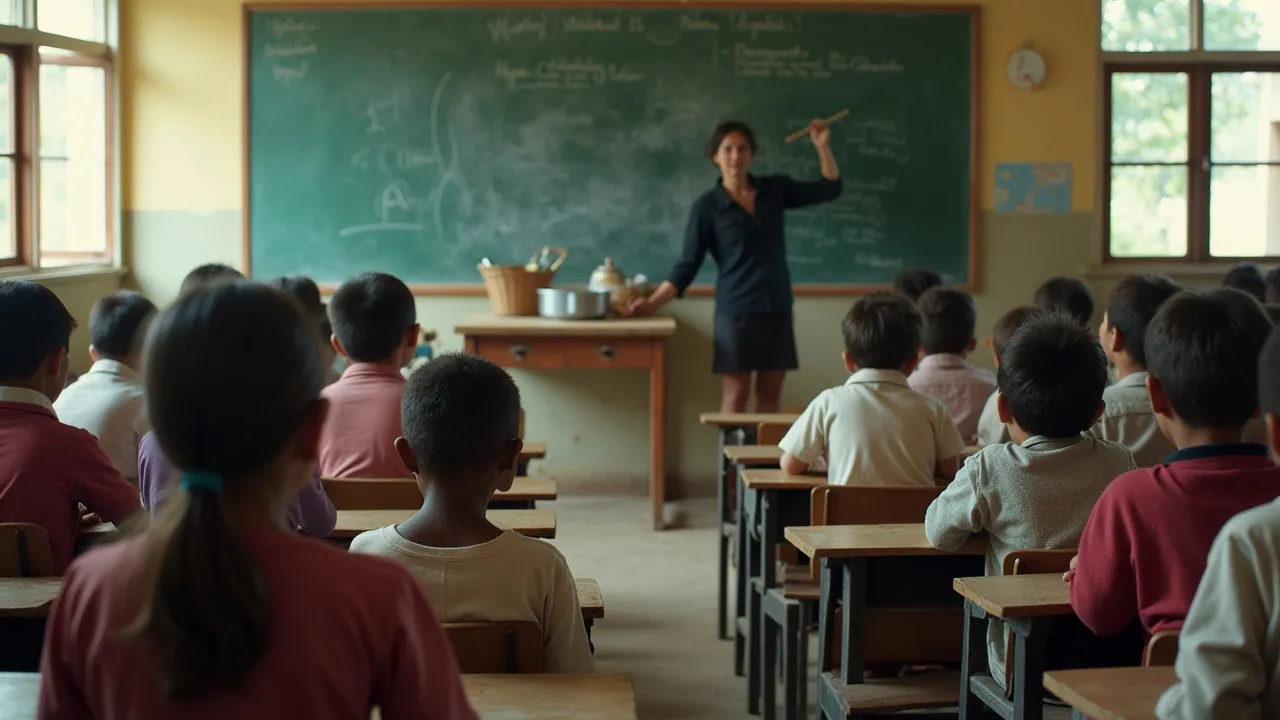
Celebrated on January 24th, the International Day of Education promotes inclusive, equitable quality education for all. Proclaimed by the UN, it highlights education's role in peace and development.
The Historical Origins & Evolutionary Journey
The International Day of Education was established to recognize the fundamental role of education in building peaceful, just, and sustainable societies. Its origins trace back to the Universal Declaration of Human Rights (1948), which enshrined education as a basic human right. Over the decades, global conferences like the 1990 World Conference on Education for All and the 2000 Dakar Framework pushed for universal primary education. The UN Millennium Development Goals (2000) and subsequent Sustainable Development Goals (2015) specifically targeted education through SDG 4: 'Ensure inclusive and equitable quality education and promote lifelong learning opportunities for all.'
The Foundational Catalyst
The immediate catalyst came from the international community's recognition that progress on education was too slow. In December 2018, the United Nations General Assembly adopted a resolution proclaiming January 24th as the International Day of Education, in celebration of the role of education for peace and development. The date was chosen to coincide with the anniversary of the adoption of the UN resolution and to highlight education as a public good.
The Legislative/Official Adoption
The resolution was co-authored by Nigeria and 58 other member states. It emphasized that education is a human right, a public good, and a public responsibility. The first official observance took place on January 24, 2019, with the theme 'Education: A Key to Inclusion and Empowerment.' Since then, each year has featured a specific theme, such as 'Learning for People, Planet, Prosperity, and Peace' (2020) and 'Recovering and Revitalizing Education for the COVID-19 Generation' (2021).
Modern Global Legacy
Today, the day serves as a platform for governments, civil society, and educators to advocate for education financing, policy reforms, and innovative teaching methods. It has encouraged global reporting on education gaps, promoted gender equality in schools, and highlighted the need for lifelong learning. The day has also become a call to action to address crises like the 258 million children out of school before the pandemic, which increased to an estimated 400 million during COVID-19.
How to Celebrate International Day of Education
Celebrating the International Day of Education can take many forms, from personal reflection to large-scale events. The goal is to raise awareness and take concrete action to support education worldwide. Below are structured ways individuals, schools, corporations, and governments can participate.
For Individuals
- Learn about global education issues: Read reports from UNESCO, UNICEF, or the Global Partnership for Education. Understand the barriers children face in low-income countries, such as poverty, conflict, and lack of teachers.
- Donate to reputable organizations: Contribute to charities that build schools, train teachers, or provide scholarships. Examples include ONE Campaign and Save the Children.
- Advocate for policy changes: Write to your local representatives urging increased funding for domestic and international education programs.
For Schools & Universities
- Organize themed assemblies or lessons: Dedicate the day to discussions about the importance of education, featuring guest speakers or student presentations.
- Hold fundraising events: Host bake sales, read-a-thons, or sponsored runs to raise money for underprivileged schools.
- Exchange programs or pen-pal projects: Connect students with peers in other countries to foster global citizenship.
For Corporations & Organizations
- Launch scholarship programs: Announce new financial aid initiatives for marginalized youth.
- Provide pro bono skills training: Offer workshops in digital literacy, public speaking, or vocational skills to underserved communities.
- Partner with NGOs: Sponsor an educational project or adopt a school in need.
Across Different Cultures
In many countries, the day is marked by government announcements, school parades, and community dialogues. For instance, in Nigeria, the day often features policy debates and rallies. In India, local NGOs hold rallies and distribute school supplies. In Canada, the government issues statements and hosts webinars. The common thread is solidarity and a shared commitment to ensuring every child can learn.
Global Impact on Development
Education is widely recognized as a catalyst for achieving all 17 Sustainable Development Goals. The International Day of Education emphasizes this interconnectedness. According to UNESCO, if all adults completed secondary education, the global poverty rate could be halved. Education boosts economic growth: each additional year of schooling increases a person's earnings by up to 10%. It also improves health outcomes, as educated mothers are more likely to ensure their children are vaccinated and properly nourished. Furthermore, education fosters peace by promoting tolerance and reducing the likelihood of conflict. The day serves as a reminder that investment in education is not an expense but a long-term asset for humanity.
Role of Technology in Education
Technology has transformed how education is delivered, especially highlighted during the COVID-19 pandemic. The International Day of Education encourages leveraging digital tools to enhance learning, particularly in underserved areas. Key advancements include:
- Online learning platforms: MOOCs, Khan Academy, and local e-learning portals have made quality education accessible to millions.
- Mobile learning: In regions with limited internet, SMS-based education and offline apps have proven effective.
- Artificial Intelligence: AI tutors can personalize learning, while adaptive assessments identify student weaknesses.
However, the digital divide remains a major obstacle: 2.2 billion people under 25 still lack internet access at home. The day calls for bridging this gap through affordable connectivity, digital literacy training, and investment in infrastructure.
Educational Equity and Inclusion
A core theme of the International Day of Education is ensuring that every person, regardless of gender, ethnicity, disability, or socioeconomic status, has access to quality education. Despite progress, inequalities persist:
- Gender gap: 130 million girls are out of school globally, with child marriage, poverty, and cultural norms limiting their access.
- Disability inclusion: Children with disabilities are 2.5 times more likely to be out of school.
- Refugee crisis: Only 50% of refugee children are enrolled in primary school, and 25% in secondary school.
Initiatives like the Global Partnership for Education, the Malala Fund, and national scholarship schemes work to dismantle these barriers. The day encourages everyone to challenge discriminatory practices and advocate for inclusive classrooms where diversity is celebrated.
Future of Education: Trends and Challenges
As the world evolves, education must adapt. The International Day of Education prompts discussion on future directions. Key trends include:
Lifelong Learning
With rapid technological changes, individuals must continuously update skills. Micro-credentials, vocational training, and adult education programs are gaining importance.
Social and Emotional Learning (SEL)
Schools are increasingly focusing on holistic development, teaching empathy, resilience, and teamwork alongside academics.
Climate Education
Integrating climate change into curricula equips young people to address environmental challenges. UNESCO is leading efforts to make climate education a core component by 2025.
Challenges include underfunding: the global education financing gap is $148 billion per year. The COVID-19 pandemic also caused learning losses equivalent to months of schooling. The International Day of Education serves as a rallying point for renewed commitment and innovation.
Historical Timeline
The Universal Declaration of Human Rights establishes education as a fundamental human right (Article 26).
The World Conference on Education for All in Jomtien, Thailand, sets goals to universalize primary education and reduce illiteracy.
The Dakar Framework for Action reaffirms global commitment to education for all by 2015, adopted at the World Education Forum.
The United Nations adopts the 2030 Agenda for Sustainable Development, including SDG 4 on inclusive and equitable quality education.
The UN General Assembly adopts resolution 73/25, proclaiming January 24 as the International Day of Education.
First official observance of the International Day of Education with the theme 'Education: A Key to Inclusion and Empowerment'.
Theme: 'Learning for People, Planet, Prosperity, and Peace'. The COVID-19 pandemic disrupts education worldwide, affecting 1.6 billion learners.
Theme: 'Recovering and Revitalizing Education for the COVID-19 Generation'. Focus on mitigating learning losses and digital inclusion.
Theme: 'Changing Course, Transforming Education'. The UN Secretary-General convenes the Transforming Education Summit.
Theme: 'Investing in People, Prioritizing Education'. Calls for increased domestic and international financing for education.