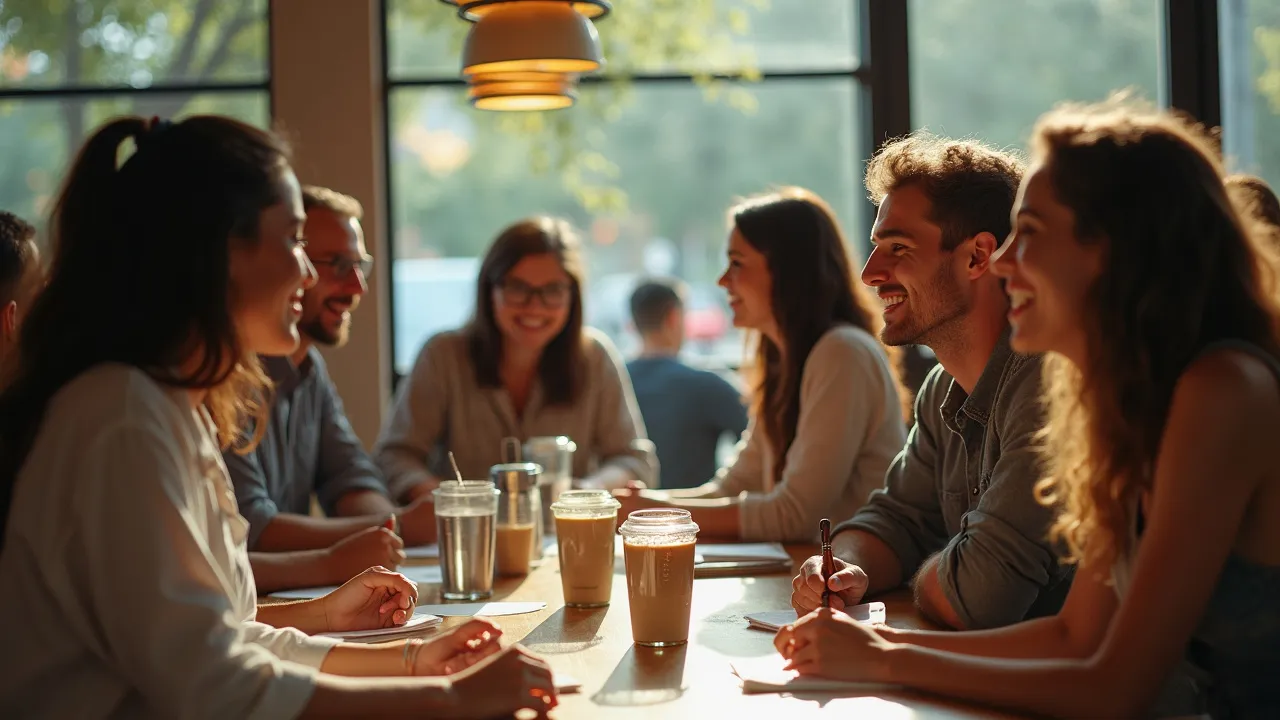
National Compliment Day on January 24th encourages us to spread kindness through genuine, heartfelt compliments. Founded in 1998, this day promotes positivity and strengthens social bonds by highlighting the power of uplifting words.
The Historical Origins & Evolutionary Journey
National Compliment Day, observed annually on January 24th, was founded in 1998 by two New Hampshire residents, Kathy Chamberlin and Debby Hoffman. Their mission was simple: create a day dedicated to making others feel appreciated through sincere compliments. The idea emerged from a shared belief that everyday kindness can transform relationships and communities.
The Foundational Catalyst
Chamberlin and Hoffman realized that in a fast-paced world, simple words of praise often go unspoken. They saw National Compliment Day as an antidote to negativity and a way to foster empathy. The first celebration involved encouraging friends, family, and local businesses to hand out compliments freely. News spread through grassroots campaigns and media coverage, and the day gradually gained national recognition.
The Legislative/Official Adoption
While National Compliment Day is not a federal holiday, it has been officially recognized by numerous city proclamations and state resolutions. For example, in 2003, the mayor of Boston issued a proclamation endorsing the day. Many schools and workplaces have since adopted it as an annual tradition to improve morale and communication.
Modern Global Legacy
Today, National Compliment Day is observed across the United States and in several other countries via social media campaigns, corporate wellness programs, and educational activities. Its core principle—that a few kind words can change a day—has inspired similar movements like World Kindness Day and Random Acts of Kindness Day. The day also serves as a reminder of the psychological research confirming that giving compliments boosts both the giver's and receiver's well-being.
How to Celebrate National Compliment Day
Celebrating National Compliment Day is easy and impactful. The key is authenticity—compliments should be genuine, specific, and heartfelt. Below are actionable strategies for individuals, schools, and organizations.
For Individuals
- Start with yourself: Write down three things you appreciate about yourself to build self-compassion.
- Compliment a stranger: Acknowledge someone's smile, outfit, or skills in a passing interaction.
- Send a handwritten note: Write a letter to a friend or family member listing why they matter to you.
- Use social media: Post a public tribute using #NationalComplimentDay to amplify positivity.
For Schools
- Compliment circles: In class, students take turns giving one compliment to a classmate.
- Wall of praise: Create a bulletin board where students and staff can post anonymous compliments.
- Role-playing activities: Teach the difference between a genuine compliment and flattery.
For Organizations
- Peer recognition program: Launch a day where colleagues nominate each other for kind acts.
- Compliment break: Pause a meeting for 5 minutes to share appreciations.
- Gift of words: Hand out index cards with pre-written compliments or leave them on desks.
Regional Variations
While National Compliment Day is primarily a US observance, similar concepts exist globally. In Japan, Kokoro no Kakehashi encourages heartfelt words. In the UK, some schools celebrate a Compliment Thursday. In Brazil, Dia do Elogio is informally celebrated on March 20th. However, January 24th remains the most widely recognized date for focused compliment-giving.
The Psychology Behind Compliments
Compliments are more than pleasantries; they are powerful social tools that affect brain chemistry. When we receive a genuine compliment, the brain's reward center—the striatum—releases dopamine, the 'feel-good' neurotransmitter. This creates a positive feedback loop that encourages kind behavior.
Benefits for the Giver
Studies show that giving compliments boosts the giver's happiness almost as much as receiving one. It enhances social connection and reinforces positive traits in the giver's own perception.
Benefits for the Receiver
Receiving compliments can improve self-esteem and motivation. However, some people struggle to accept compliments due to social anxiety or cultural modesty. National Compliment Day also teaches us to receive grace—a simple 'thank you' is enough.
How to Compliment Effectively
Be specific: Instead of 'Good job,' say 'Your presentation had clear data that made the proposal easy to understand.'
Focus on effort, not just outcome: 'I appreciate how much time you spent planning this.'
Avoid comparison: Compliment the person, not how they compare to others.
National Compliment Day in the Workplace
Workplace culture thrives on recognition. National Compliment Day offers organizations a structured opportunity to improve morale and reduce burnout. According to Gallup, employees who receive regular recognition are more engaged and less likely to leave.
Best Practices for Managers
- Walk around and acknowledge: Spend a few minutes thanking each team member for a specific contribution.
- Create a compliment channel: Use Slack or Teams to create a #compliments channel for ongoing appreciation.
- Pair with professional development: Tie compliments to growth, e.g., 'Your coding speed has improved; here's a resource to learn more.'
Cost-Effective Celebrations
No budget needed. Printed certificates, verbal shoutouts in meetings, or a 'compliment jar' where employees write anonymous affirmations can be highly effective. The key is sincerity and consistency.
Global Impact of Compliment Culture
Compliment culture transcends borders. In collectivist societies like China and Japan, compliments may be more indirect, focusing on group harmony. In individualistic Western cultures, direct personal praise is common. National Compliment Day has helped bridge these styles by encouraging universal appreciation.
Compliments in Digital Age
Social media platforms have amplified compliment-giving. Hashtags like #ComplimentDay and #SpreadKindness trend annually. Yet, online compliments can feel less genuine. The day reminds us to bring kindness back to face-to-face interactions.
Cross-Cultural Etiquette
Middle East: Compliments should be modest and avoid excessive praise to prevent envy.
Latin America: Warm, expressive compliments are common and welcomed.
Scandinavia: Compliments are less frequent but deeply meaningful when given.
Teaching Children the Art of Complimenting
National Compliment Day is an excellent teaching moment for parents and educators. Children learn social-emotional skills by giving and receiving compliments.
Age-Appropriate Activities
- Ages 3-5: Use stuffed animals to practice saying nice things. Praise specific actions like 'You shared your toy kindly.'
- Ages 6-9: Create a 'compliment jar' at home. Each family member writes one compliment per day on a slip of paper and reads them aloud at dinner.
- Ages 10+: Discuss the difference between superficial compliments (e.g., 'You're so pretty') and character-based ones (e.g., 'You are a loyal friend').
Encouraging children to notice others' strengths fosters empathy and reduces bullying. Schools that integrate compliment exercises report improved classroom climate.
The Future of National Compliment Day
As digital communication grows, the need for authentic human connection becomes more critical. National Compliment Day may evolve into a global movement emphasizing mental health and social cohesion. In 2024, several mental health nonprofits launched campaigns pairing compliments with mindfulness practices. Corporations are increasingly using the day to launch year-round recognition programs.
Future trends include app-based compliment exchanges (like 'Compliment Karma'), compliment robots in public spaces, and integration with workplace wellness metrics. Despite technological shifts, the core message remains timeless: words have power.
Historical Timeline
National Compliment Day was founded by Kathy Chamberlin and Debby Hoffman in New Hampshire, USA, with the goal of promoting kindness through sincere compliments.
The Mayor of Boston issued a proclamation officially recognizing National Compliment Day, one of the first municipal endorsements.
The day gained national media attention after being featured on major news outlets like NBC and CNN, inspiring schools and businesses to adopt the tradition.
Social media campaigns using #NationalComplimentDay started trending, expanding the day's reach to a global audience.
Several corporate wellness programs incorporated National Compliment Day into their annual employee recognition calendar.
During the COVID-19 pandemic, the day saw a surge in online compliment campaigns to combat isolation.