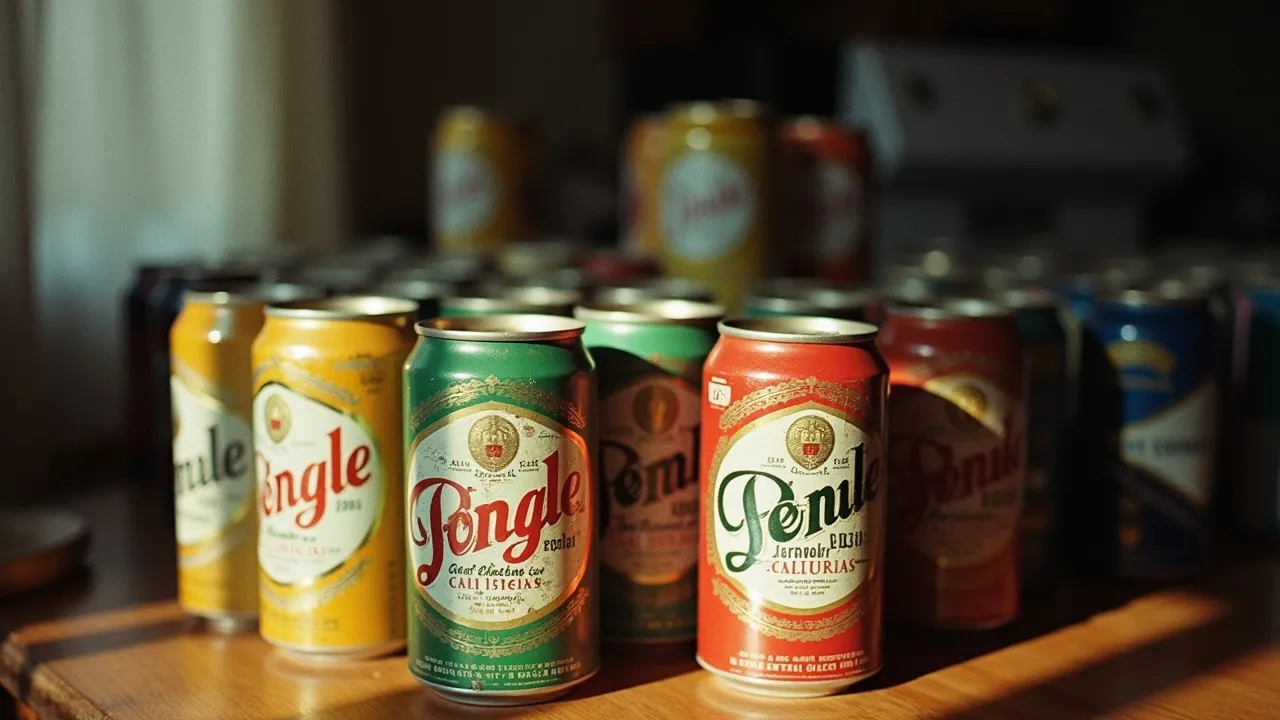
Beer Can Appreciation Day on January 24th honors the first beer sold in a can—a pivotal moment in brewing history. Discover its origins, evolution, and how to celebrate this iconic packaging innovation.
The Historical Origins & Evolutionary Journey
The Foundational Catalyst
Beer Can Appreciation Day traces its roots to January 24, 1935, when the Krueger Brewing Company of Richmond, Virginia, sold the first canned beer—Krueger's Finest Beer and Krueger's Cream Ale. This event marked a revolutionary shift in brewing and packaging. Before 1935, beer was sold only in barrels or glass bottles, which were heavy, fragile, and expensive to transport. The American Can Company had developed a method to line tinplated steel cans with a special enamel to prevent the beer from reacting with the metal. Krueger agreed to a test run: 2,000 cans were distributed to local consumers, who overwhelmingly preferred the canned beer for its convenience and freshness. By the end of 1935, over 200 million beer cans were sold, and the can had permanently entered the beer market.
The Legislative/Official Adoption
While Beer Can Appreciation Day is not an officially recognized federal holiday, it emerged organically among beer history enthusiasts and collectors. The day has been promoted by organizations like the Brewers Association and various beer can collector clubs since the early 2000s. Its purpose is to educate the public about the significance of the beer can in industrial history, marketing, and consumer culture. The exact origin of the "observance" is murky, but it has been steadily recognized through social media, brewery events, and beer can museum displays.
Modern Global Legacy
Today, the beer can represents over 60% of all beer packaging in the United States and a growing share worldwide. Craft breweries have embraced cans for their portability, light-blocking properties, and sustainability—aluminum cans are infinitely recyclable. Beer Can Appreciation Day now serves as a platform to highlight innovations in can design, from easy-open ends to full-wrap graphics. It also honors the work of brewers, can manufacturers, and artists who transform the humble can into a canvas.
How to Celebrate Beer Can Appreciation Day
Whether you are a beer connoisseur, a history buff, or just looking for a unique reason to raise a glass, Beer Can Appreciation Day offers many ways to participate. Below is a definitive guide to celebrating responsibly.
Individual Celebration Ideas
- Taste a Retro Can: Purchase a canned beer that replicates a vintage style (e.g., a cream ale or a pre-Prohibition lager). Many breweries release special throwback labels for the day.
- Start a Collection: Begin building a collection of beer cans from different eras. Look for flat-top cans, cone-top cans, or modern craft cans with unique artwork.
- Share on Social Media: Post a photo of your favorite beer can with the hashtag #BeerCanAppreciationDay and share a fun fact about the can's history.
- Visit a Local Brewery: Many breweries offer tours highlighting their canning line. Ask about the mechanics of canning and the benefits of cans over bottles.
Community and Group Activities
- Host a Beer Can Tasting: Organize a blind tasting of different canned beers—compare the same beer from a can and a bottle to see if you detect differences.
- Attend a Can Collectors' Show: Check for local events hosted by clubs like the Brewery Collectibles Club of America (BCCA). These shows feature rare cans, memorabilia, and expert talks.
- Educational Talk: Invite a beer historian or a packaging engineer to give a presentation on the evolution of the beer can at your library or community center.
Celebration Dynamics by Region
United States: The primary region of celebration. Breweries often release commemorative cans. Some host 'can-only' tap takeovers. United Kingdom: Beer cans gained popularity later, but the day is recognized by craft beer pubs and can collectors. Germany: While traditionally a bottle country, the craft beer movement has spurred can appreciation. Some brewpubs offer cans with custom German-style designs. Japan: Beer cans are extremely popular, and vending machines sell them. The day is celebrated with limited-edition can releases.
The Evolution of Beer Can Technology
From Tinplate to Aluminum
The first beer cans were made of tin-coated steel. The interior was lined with a special enamel to prevent a metallic taste. In the 1950s, aluminum began to replace steel because it was lighter and resisted corrosion. By the 1970s, aluminum dominated the market. Key innovations include:
- Flat-Top Cans (1935–1960s): Required a church-key opener to punch two holes—one for drinking, one for venting.
- Cone-Top Cans (1930s–1950s): Resembled bottles; had a conical top that could be opened with a bottle opener.
- Easy-Open Ends (1962): The pull-tab invented by Ermal Fraze allowed opening without tools. The tab was often discarded, leading to litter.
- Stay-Tab (1975): The current design where the tab stays attached to the can after opening, reducing litter.
Modern Can Enhancements
Today's beer cans are marvels of engineering. They are lined with a thin polymer that prevents any interaction between metal and beer. The can is designed to be filled at high speed (over 1,000 cans per minute), sealed, and pasteurized. Special features include: nitrogen dosing to reduce oxygen, full-wrap digital printing for artwork, and even temperature-sensitive labels that change color when beer is cold. Environmental advances: Aluminum cans now contain about 70% recycled content, and recycling a can saves 95% of the energy needed to produce new aluminum.
Iconic Beer Can Designs and Collecting
Beer can collecting is a serious hobby with dedicated clubs and value systems. Rare cans can fetch thousands of dollars. Key categories for collectors:
- Flat-Tops and Cones: Pre-1960s cans are rare. The most valuable is the "Krueger" flat-top from 1935—only a few dozen exist, valued at over $5,000.
- Test or Prototype Cans: Breweries often produced small runs to test new designs, many never released.
- Advertising Cans: Cans featuring sports teams, movies, or limited-edition collaborations.
- International Cans: Cans from countries like Japan, Brazil, and Norway feature unique artwork and shapes.
Notable Design Milestones
In 2011, Oskar Blues Brewery became the first craft brewery to can all its beers, sparking the craft beer can revolution. Today, breweries like Cigar City, Other Half, and Tree House are known for vibrant, artistic can designs. Some breweries even collaborate with visual artists to create limited-run collectible cans.
Cultural Impact and Economic Significance
Economic Impact
The beer can industry supports thousands of jobs globally. In the US alone, over 40 billion beer cans are produced each year. The canning machinery market is a multi-billion-dollar sector. Small craft breweries can enter the market with relatively low-cost canning lines, democratizing the beer business.
Cultural Shifts
Beer cans changed drinking culture. They made beer portable—perfect for picnics, tailgates, and outdoor events. They also transformed marketing; the entire can surface became a billboard. Iconic designs like Budweiser's red, white, and blue or Coors Banquet's yellow label are instantly recognizable. Cans also facilitated the growth of beer subscription services and online sales, as they are lighter and less fragile than bottles.
Environmental Considerations
While cans are recyclable, the linings have historically contained BPA (bisphenol A). Most manufacturers have switched to non-BPA linings by 2020. The lightweight nature of cans reduces transportation emissions compared to glass bottles. However, litter from discarded pull-tabs (until the stay-tab) was a notable issue in the 1970s, spurring cleanup campaigns.
Regional Variations and Traditions
While Beer Can Appreciation Day is primarily a US observance, the can's influence is global. Here is how different regions mark the day or have unique can traditions:
- United States: Breweries like Krueger (now owned by Pabst) sometimes recreate the original 1935 can. Collectors gather at swap meets.
- United Kingdom: The can became popular later, but brands like Boddingtons and Newcastle Brown Ale are iconic in cans. The day is recognized by the British Beer and Pub Association.
- Germany: German purity laws (Reinheitsgebot) initially limited can use, but imports and craft breweries now produce canned beer. Some breweries like Mönchshof offer cans in traditional designs.
- Japan: Beer cans dominate due to vending machines. The day is celebrated with special designs featuring anime characters or seasonal motifs.
- Australia: The "stubby" can is uniquely wide and short. Collectors prize Foster's and VB cans from different decades.
Unique Traditions
In some US colleges, students have obscure traditions of stacking beer cans into towers on this day. A few beer festivals specifically highlight canned-only beer offerings to promote portability and sustainability.
Historical Timeline
On January 24, Krueger Brewing Company sells the first canned beer—Krueger's Finest Beer and Cream Ale. Over 200 million cans sold by year's end.
American Can Company patents the enamel-lined steel beer can. Conetop and flat-top designs emerge.
Aluminum cans introduced by Coors Brewing Company, replacing heavier steel.
Ermal Fraze invents the pull-tab, allowing opening without tools. This design becomes the standard until the 1970s.
The stay-tab (current design) is developed, keeping the tab attached to the can after opening to reduce litter.
Full-wrap printing technology allows 360-degree designs, revolutionizing can artwork.
Oskar Blues Brewery cans its craft beer, Dale's Pale Ale, sparking the craft beer can movement.
Craft beer can production surpasses 1 billion units annually in the US.
Most major brewers switch to BPA-free can linings in response to consumer health concerns.