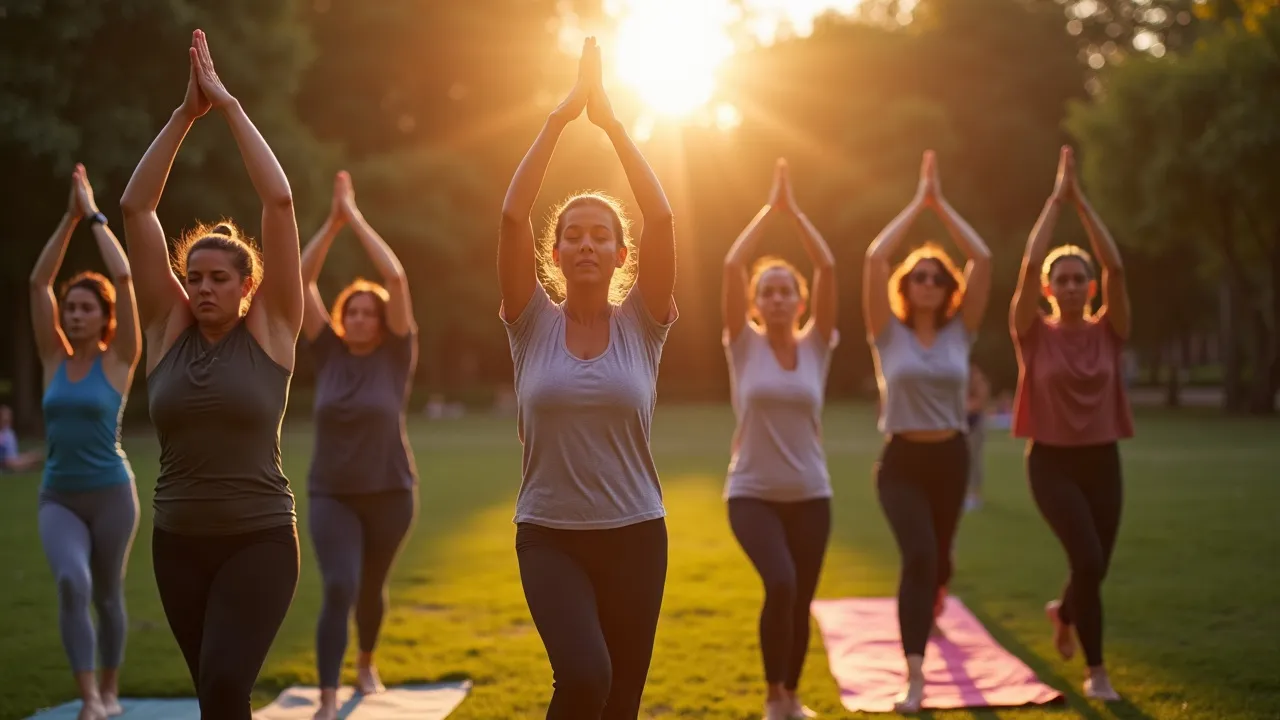
Celebrated on June 21st, the International Day of Yoga promotes global harmony through the ancient practice of yoga. Established by the UN in 2014, it highlights yoga's physical, mental, and spiritual benefits.
The Historical Origins & Evolutionary Journey
The International Day of Yoga, observed annually on June 21st, traces its genesis to a visionary proposal by Indian Prime Minister Narendra Modi during his address to the United Nations General Assembly on September 27, 2014. Recognizing yoga as an invaluable gift of ancient Indian tradition, Modi emphasized its holistic approach to health and well-being. The UN adopted the initiative with unprecedented speed, passing Resolution 69/131 on December 11, 2014, declaring June 21st as the International Day of Yoga. The date was chosen for its significance as the summer solstice, the longest day of the year in the Northern Hemisphere, symbolizing light and consciousness.
The Foundational Catalyst
Prime Minister Modi's speech highlighted yoga as a transformative tool for fostering global peace and sustainable development. His call resonated across cultures, leading to a co-sponsorship by 177 nations—the highest number of co-sponsors for any UN resolution. This broad support underscored yoga's universal appeal beyond religious or geographical boundaries.
The Legislative/Official Adoption
Post-UN resolution, the first International Day of Yoga was celebrated on June 21, 2015, with massive events worldwide. In New Delhi, India, Modi led a record-breaking yoga session at Rajpath with over 35,000 participants. The Guinness World Records recognized the event for the largest yoga class at a single venue. Subsequently, countries like the USA, Canada, China, and the UK organized community sessions, underscoring the day's global acceptance.
Modern Global Legacy
Since its inception, the International Day of Yoga has grown into a platform for promoting mental and physical health. It catalyzed the establishment of yoga centers, research on yoga's therapeutic effects, and integration into public health systems. The day continues to emphasize unity, encouraging people worldwide to experience the benefits of yoga through free classes, workshops, and educational campaigns.
How to Celebrate International Day of Yoga
Celebrating the International Day of Yoga is a personal and communal journey. Whether you are a seasoned practitioner or a curious beginner, there are numerous ways to participate.
Individual and Group Practices
- Morning Yoga Session: Join a local park or online livestream for a sunrise yoga class. Many organizations offer free sessions on this day.
- Family Yoga: Involve all age groups with simple postures and breathing exercises tailored for beginners.
- Meditation and Pranayama: Dedicate time to deep breathing (pranayama) and meditation to enhance mental clarity.
Organizational and School Activities
- Corporate Wellness Programs: Employers can arrange on-site yoga classes or partner with studios for employee health initiatives.
- School Workshops: Integrate yoga into physical education curriculums to teach children mindfulness and flexibility.
- Community Flash Mobs: Organize synchronized yoga sequences in public squares to raise awareness.
Global Traditions
Different countries add unique flavors: In India, thousands gather at iconic landmarks like India Gate. In the United States, Times Square hosts mass yoga events. Japan emphasizes Zen meditation, while Brazil incorporates dance elements. The common thread is collective harmony.
Global Impact and Health Benefits
The International Day of Yoga has spurred a global health movement. Yoga is recognized for reducing stress, improving cardiovascular health, and enhancing flexibility. According to the World Health Organization (WHO), regular yoga practice can mitigate non-communicable diseases like hypertension and diabetes.
Physical Well-being
- Cardiovascular Health: Asanas like Surya Namaskar (Sun Salutation) improve heart function and circulation.
- Musculoskeletal Strength: Weight-bearing poses increase bone density and muscle tone.
Mental Health
Breathing techniques and meditation lower cortisol levels, alleviating anxiety and depression. Studies show yoga boosts serotonin production, enhancing mood and emotional resilience.
Economic and Social Impact
The yoga industry has boomed, creating jobs, and fostering cross-cultural exchanges. Celebrities and influencers amplify its reach, making it accessible to millions. The day also emphasizes sustainable living and inner peace, aligning with UN Sustainable Development Goals.
Cultural Significance and Spiritual Roots
Yoga originated in ancient India over 5,000 years ago, rooted in the Vedas and Upanishads. It is not merely physical exercise but a holistic path to self-realization. The International Day of Yoga honors this deep heritage while adapting it to modern contexts.
Philosophical Foundations
The eight limbs of yoga (Ashtanga) outlined by Patanjali include ethical precepts, postures, breath control, and meditation. These principles guide practitioners toward balance and harmony.
Integrating Spirituality
While contemporary yoga often focuses on asanas, the day encourages exploring its meditative and philosophical aspects. Many events include chanting, mantra meditation, and talks on yogic philosophy.
Global Cultural Exchange
Yoga has been embraced by diverse cultures, often blending with local traditions. For instance, African dance-yoga fusion, European mindfulness retreats, and Latin American yoga festivals demonstrate its adaptive universality.
Future Prospects and Evolving Practices
The International Day of Yoga continues to evolve with technological and societal changes. Virtual reality yoga, AI-powered posture correction apps, and online global gatherings are making yoga more accessible.
Digital Transformation
Since the COVID-19 pandemic, virtual yoga classes have become mainstream. The 2021 International Day of Yoga featured a global livestream with participants from over 190 countries.
Scientific Research
Ongoing studies explore yoga's efficacy in managing chronic pain, PTSD, and even COVID-19 recovery. The day promotes evidence-based practice, encouraging collaboration between researchers and practitioners.
Inclusive Yoga
There is a growing emphasis on adaptive yoga for seniors, people with disabilities, and marginalized communities. Chair yoga, prenatal yoga, and trauma-informed classes are becoming standard offerings.
How to Maximize Your Experience
To fully appreciate the International Day of Yoga, plan ahead. Follow these tips:
- Choose the Right Style: From Hatha (gentle) to Vinyasa (dynamic) to Yin (restorative), pick what suits your body and mood.
- Use Free Resources: Many yoga apps and YouTube channels offer free sessions. Look for official UN or local community events.
- Share and Inspire: Post your practice on social media using hashtags like #InternationalDayOfYoga to connect globally.
Remember, the day is not about perfection but intention. Even five minutes of mindful stretching can contribute to the collective energy of peace and well-being.
Historical Timeline
Indian Prime Minister Narendra Modi proposes an International Day of Yoga during his address to the United Nations General Assembly.
The UN General Assembly adopts Resolution 69/131, designating June 21st as the International Day of Yoga.
First official International Day of Yoga celebrated globally. Modi leads a mass yoga session in New Delhi, setting a Guiness World Record for largest yoga class.
Over 100 countries participate in the second event, with landmark yoga sessions at the Eiffel Tower, Times Square, and the Great Wall of China.
The UN headquarters in New York hosts its first official yoga day event, featuring delegates and staff. India's Ministry of AYUSH launches the 'Common Yoga Protocol' for standardization.
Due to COVID-19, celebrations go virtual. The 'Surya Namaskar' challenge trends online, with millions participating from home.
The 9th edition sees record participation, including events at the UN, schools, and corporate offices. Focus on 'Yoga for Vasudhaiva Kutumbakam' (One World, One Family).
Planned celebrations include a global livestream and collaborative research symposium on yoga's health benefits.