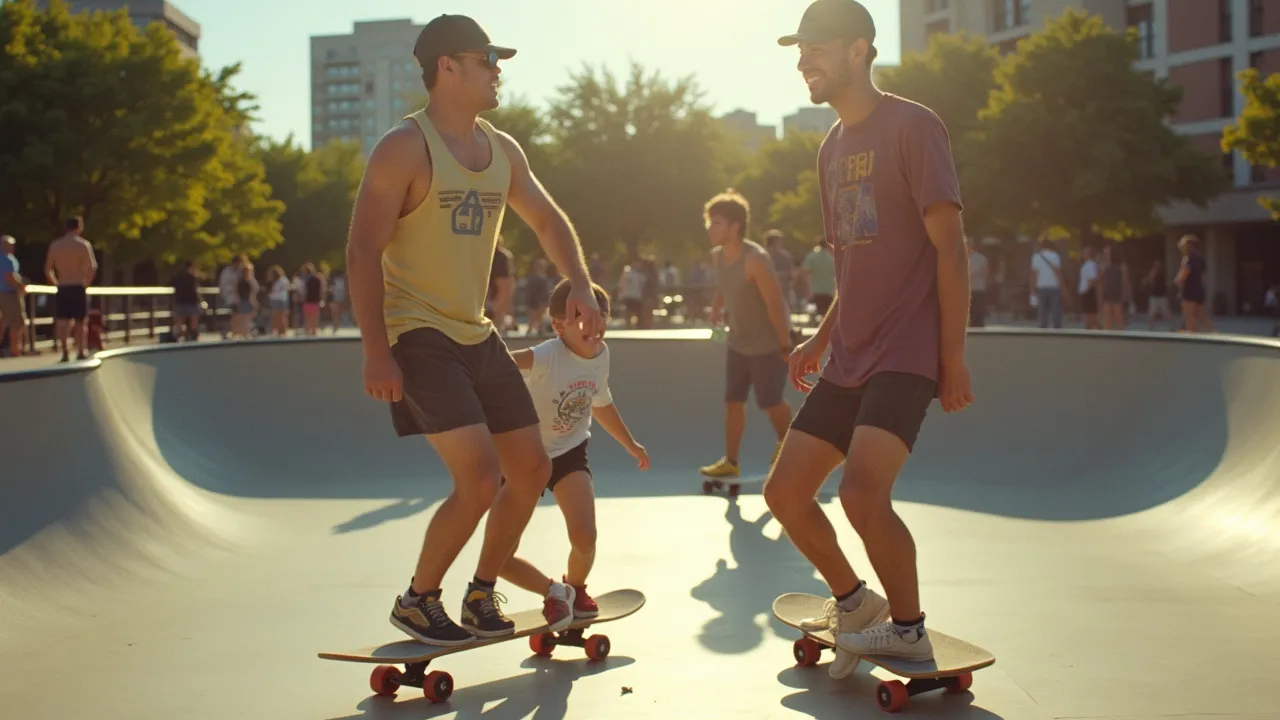
Go Skateboarding Day, celebrated annually on June 21st, is a global event that encourages skateboarders to enjoy their passion and promotes the positive aspects of skateboarding culture.
The Historical Origins & Evolutionary Journey
Go Skateboarding Day was established in 2004 by the International Association of Skateboard Companies (IASC) as a way to unify the global skateboarding community and celebrate the sport's culture. The day was deliberately set for June 21st, the summer solstice in the Northern Hemisphere, to maximize daylight hours for skating. Since its inception, it has grown into a worldwide phenomenon, with events ranging from casual meet-ups to organized competitions.
The Foundational Catalyst
The early 2000s saw skateboarding gaining mainstream traction, yet it remained misunderstood by many. The IASC recognized a need to counter negative stereotypes and showcase the sport's positive impact on youth creativity, discipline, and community. Inspired by the success of other 'holidays' like Earth Day, they lobbied for a dedicated day that would encourage skaters to simply 'go skateboarding' and share their passion with the world.
The Legislative/Official Adoption
While Go Skateboarding Day is not an official government holiday, it has been recognized by numerous municipalities and organizations. In 2010, the U.S. House of Representatives passed a resolution supporting the day, acknowledging skateboarding as a legitimate form of recreation and transportation. Internationally, cities like Barcelona, London, and Tokyo have hosted massive public events, often closing streets or sponsoring skatepark maintenance.
Modern Global Legacy
Today, Go Skateboarding Day is celebrated on every continent (including Antarctica, where a research station crew famously skated on a makeshift ramp). Social media campaigns like #GoSkateboardingDay generate millions of posts annually. The day now also serves as a platform for advocacy, promoting safer skateparks, insurance for skaters, and inclusion in school physical education programs.
How to Celebrate Go Skateboarding Day
Celebrating Go Skateboarding Day is simple: go skateboarding. But to maximize the experience and spread the stoke, here is a comprehensive guide for individuals, groups, and organizations.
For Individual Skaters
- Organize a local session: Pick a favorite spot, park, or street area, and invite friends. Use social media to announce the time and place.
- Learn a new trick: Dedicate the day to pushing your limits. Whether it's an ollie or a kickflip, film your progress and share online.
- Introduce a non-skater: Bring someone who has never skateboarded to a safe, flat area. Share your passion and maybe gain a new lifelong skate buddy.
- Support your local skate shop: Buy a deck, wheels, or just a sticker. Many shops have specials or events on June 21st.
- Volunteer: Help clean up a local skatepark or assist in teaching kids. Check with community centers or skatepark organizations.
For Schools and Organizations
- Host a skate clinic: Invite professional skaters or coaches to teach basic skills. Emphasize safety gear and respect for others.
- Screen skateboarding films: Show documentaries like 'Dogtown and Z-Boys' or 'Bones Brigade: An Autobiography' to educate and inspire.
- Organize a skateboard design contest: Encourage art students to design deck graphics. Display them at a local gallery or online.
- Partner with local government: Petition for a temporary street closure or a new skatepark. Use Go Skateboarding Day to highlight the community's need.
Global Traditions
- United States: Large events in Los Angeles, New York, and Portland. Many skateparks host competitions and free lessons.
- Europe: Barcelona's beachfront skate sessions and London's Southbank Centre gatherings are iconic. Some cities send skaters to parade through streets with boards.
- Asia: In Japan, skaters often meet at pre-dawn hours to ride empty plazas. Tokyo's Yoyogi Park sees hundreds of skaters.
- Australia: Beachside skateparks like Bondi host sunrise sessions followed by barbecues.
- South America: Brazil's skaters fill parks in São Paulo and Rio, often with live samba music.
Remember: the core ethos is inclusivity, fun, and freedom. No matter how you celebrate, the goal is to share skateboarding's joy with the world.
Cultural Impact of Skateboarding
Skateboarding has transcended its origins as a mere pastime to become a powerful global subculture. It influences fashion, music, art, and even urban design.
Fashion and Style
Skatewear has become a multi-billion dollar industry. Brands like Vans, Thrasher, and Supreme emerged from skate culture. Loose-fitting clothes, sturdy sneakers, and graphic tees are now mainstream staples.
Music and Media
Skate videos introduced genres like punk, hip-hop, and indie rock to new audiences. Iconic soundtracks from skate videos have launched bands. The video game 'Tony Hawk's Pro Skater' exposed millions to skate culture.
Urban Architecture
Skateboarding has shaped how cities design public spaces. Plazas with ledges, rails, and steps are now common. Many cities build dedicated skateparks to preserve public property while encouraging active lifestyles.
Skateboarding and the Olympics
Skateboarding made its Olympic debut at the 2020 Tokyo Games (held in 2021), a milestone that elevated the sport's mainstream status. The inclusion brought both excitement and controversy.
Positive Outcomes
- Increased funding: National federations now invest in training facilities and coaching.
- Global recognition: Skateboarders are now seen as athletes, not just rebels.
- Youth engagement: The Olympics introduced the sport to new countries, especially where skateboarding was rare.
Criticisms
- Commercialization: Some purists argue that the anti-establishment spirit of skateboarding conflicts with Olympic corporate sponsorship.
- Judging subjectivity: Performance-based scoring can be inconsistent compared to street competitions.
- Pressure on young skaters: The competitive environment may strip away the fun, free-form nature of skateboarding.
Despite debates, the Olympic inclusion has undoubtedly boosted skateboarding's profile and participation rates worldwide.
Health and Fitness Benefits
Skateboarding is a full-body workout that improves cardiovascular health, balance, and coordination. Here are key benefits:
- Cardiovascular endurance: Riding and pushing elevate heart rate, burning up to 500 calories per hour.
- Strength and flexibility: Core muscles stabilize the body; legs and glutes power tricks; arms and shoulders aid balance.
- Mental health: The focus required for tricks induces a meditative state. Overcoming fear builds confidence.
- Social bonding: Skateparks create communities where friendships form across ages and backgrounds.
- Low-cost activity: A board and safety gear are affordable compared to many sports.
Go Skateboarding Day is the perfect opportunity to start or return to this healthy hobby.
Skateboarding Industry and Economy
The skateboarding industry is a significant economic force, generating billions annually. Key segments include:
Equipment Sales
- Decks: Maple wood decks are the core product. Premium brands command high prices.
- Wheels and trucks: Specialized components for different skating styles (street, vert, longboard).
- Footwear: Skate shoes are designed for grip and durability. Brands like Vans and Nike SB dominate.
Apparel and Accessories
Skate-inspired clothing is a fashion staple. High-end collaborations between skate brands and luxury designers blur the lines between subculture and high fashion.
Media and Events
Skateboard competitions like the X Games and Street League draw huge audiences and sponsorship. Video content (movies, YouTube, TikTok) drives trends and sales.
Go Skateboarding Day boosts short-term sales as retailers offer promotions, but more importantly, it nurtures long-term growth by attracting new participants.
Historical Timeline
The first skateboards are created by surfers in California, attaching roller skate wheels to wooden planks for land surfing.
Makaha Skateboards produces the first mass-produced skateboards. The first skateboarding competition is held in Anaheim, California.
The Z-Boys (Zephyr Competition Team) revolutionize skateboarding with aggressive, surf-influenced styles, showcased at the Del Mar Nationals.
The first X Games feature skateboarding as a core sport, bringing it to a global TV audience.
The International Association of Skateboard Companies (IASC) establishes Go Skateboarding Day on June 21st.
The International Olympic Committee (IOC) announces skateboarding will debut at the 2020 Tokyo Olympics.
Skateboarding makes its Olympic debut at the Tokyo 2020 Games (postponed to 2021), with gold medals in street and park disciplines.
Go Skateboarding Day events are recorded on all seven continents, including Antarctica, cementing the day's global reach.