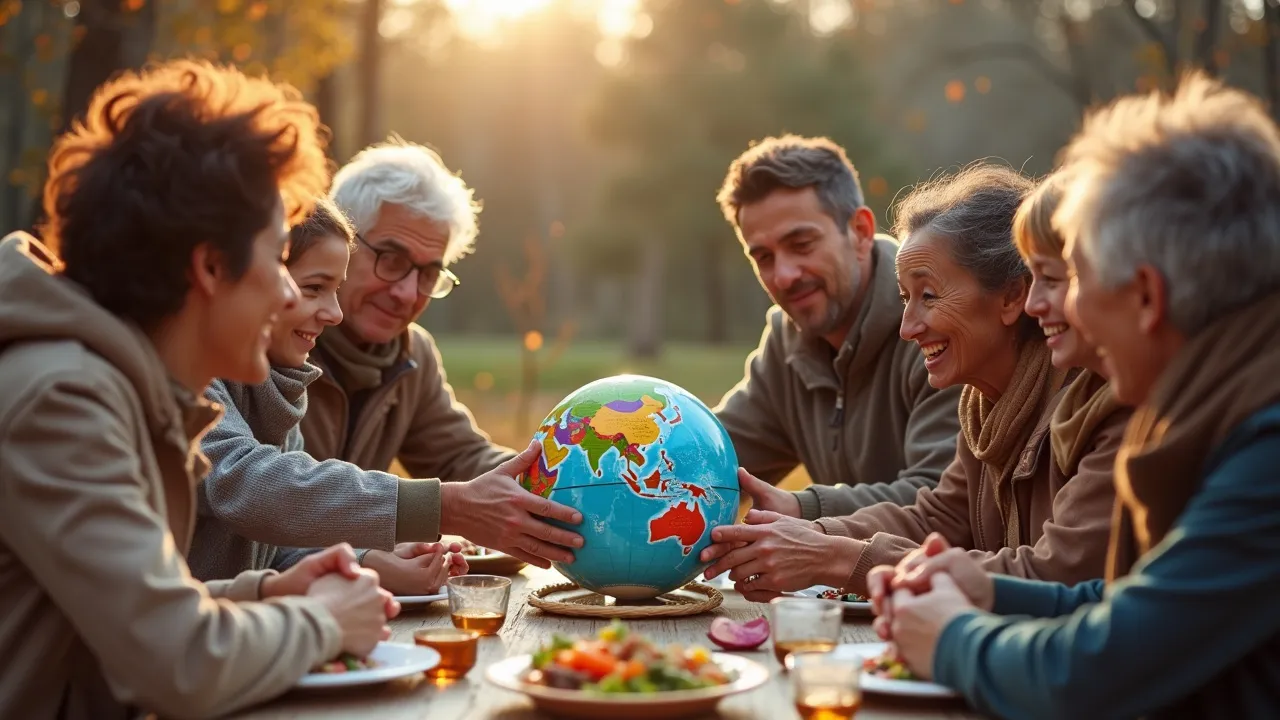
Global Family Day, observed annually on January 1st, is a United Nations-inspired observance promoting peace, unity, and family values worldwide. It encourages people to start the new year by strengthening family bonds and fostering global harmony.
The Historical Origins & Evolutionary Journey
Global Family Day, celebrated on January 1st, began as a grassroots initiative to promote peace, unity, and family values at the start of each new year. The concept was inspired by the United Nations International Year of the Family in 1994, which highlighted the importance of families worldwide.
The Foundational Catalyst
The idea was spearheaded by Linda Grover, a peace activist who envisioned a day where families and communities could come together to foster global harmony. In 1999, the Global Family Day Project was launched, encouraging individuals and organizations to dedicate January 1st as a day of sharing, caring, and family bonding.
The Legislative/Official Adoption
While not an official UN holiday, Global Family Day gained recognition from various governments and non-profit organizations. In the United States, President Bill Clinton issued a proclamation in 2000 acknowledging the day, and subsequent presidents have continued the tradition. The day is also endorsed by the United Nations as part of its broader family-focused initiatives.
Modern Global Legacy
Today, Global Family Day is celebrated in over 100 countries through community events, intergenerational activities, and cross-cultural exchanges. It has evolved to include themes of environmental stewardship, digital detox, and volunteerism, adapting to modern family structures.
How to Celebrate Global Family Day
Global Family Day offers countless ways to honor family bonds and promote global unity. Here are actionable strategies for individuals, schools, and organizations.
For Individuals and Families
- Family meal: Plan a shared meal with extended family, either in person or virtually, featuring dishes from diverse cultures.
- Storytelling session: Exchange family histories, traditions, and memories to strengthen intergenerational ties.
- Volunteer together: Spend part of the day helping at a local charity, food bank, or community center.
For Schools and Educational Institutions
- Global family tree project: Students create a collaborative tree representing diverse family structures and cultures.
- Peace pledge: Lead a school-wide recitation of a peace pledge promoting tolerance and understanding.
- Cultural exchange: Organize a potluck where families share traditional dishes and customs.
For Organizations and Communities
- Community gathering: Host a public event with music, games, and activities celebrating family diversity.
- Intergenerational workshops: Arrange skill-sharing sessions between older and younger generations.
- Digital detox challenge: Encourage families to unplug from devices for a few hours and engage in face-to-face interaction.
Across different regions, traditions vary: In Japan, families often visit shrines together; in India, joint family gatherings are common; in many Western countries, New Year's brunch or dinner is a staple.
Global Impact and Societal Themes
Global Family Day serves as a reminder of the fundamental role families play in building peaceful societies. The observance intersects with several key themes:
Strengthening Social Cohesion
By emphasizing family unity, the day helps reduce social isolation and promotes mental well-being. Research shows that strong family bonds correlate with lower crime rates and higher educational achievement.
Cultural Exchange and Tolerance
Global Family Day encourages cross-cultural understanding. In multicultural societies, events often blend traditions from multiple ethnic groups, fostering mutual respect.
Environmental Stewardship
Many celebrations incorporate eco-friendly practices, such as tree planting or clean-up drives, linking family health to environmental health.
Industry Transformations and Business Involvement
Businesses and industries leverage Global Family Day to promote family-friendly policies and products.
Corporate Family Programs
Companies often host family days for employees, featuring team-building activities and educational workshops. This boosts morale and retention.
Retail and Dining Promotions
Restaurants offer family meal deals, while retailers market board games, cookware, and home entertainment systems designed to bring families together.
Media and Entertainment
Television networks air family-centric programming, and streaming services curate family movie lists. Social media campaigns encourage users to share family photos with hashtags like #GlobalFamilyDay.
Educational and Community Outreach
Schools and community organizations play a pivotal role in propagating the day's message.
Curriculum Integration
Teachers incorporate lessons on family diversity, global citizenship, and conflict resolution into their January lesson plans. Projects like "My Family's Cultural Heritage" are common.
Community Events
Libraries and recreation centers host intergenerational storytelling hours, craft sessions, and potluck dinners. Nonprofits organize food drives and donation campaigns tied to family support.
Online Engagement
Virtual events such as webinars on parenting, family finance, and mental health attract global audiences, making the day accessible to all.
Challenges and Criticisms
Despite its positive intent, Global Family Day faces challenges.
Commercialization
Some critics argue that the day has been co-opted by consumerism, with retailers promoting sales over substance.
Exclusion of Non-Traditional Families
Early iterations often focused on nuclear families, but modern observances increasingly recognize single-parent, LGBTQ+, and multigenerational households.
Cultural Insensitivity
In some regions, the holiday overlaps with local traditions or religious observances, requiring careful adaptation to avoid offense.
Historical Timeline
The United Nations declares the International Year of the Family, raising awareness of family issues globally and inspiring future initiatives like Global Family Day.
Linda Grover launches the Global Family Day Project, a grassroots campaign encouraging families to dedicate January 1st to unity and peace.
The first official Global Family Day is celebrated on January 1st. U.S. President Bill Clinton issues a presidential proclamation recognizing the day.
Global Family Day gains international traction; events are held in over 30 countries, including community potlucks and interfaith gatherings.
The United Nations High Commissioner for Human Rights endorses the day, highlighting its alignment with the Universal Declaration of Human Rights.
During the COVID-19 pandemic, Global Family Day focuses on virtual connections, with online webinars and digital family reunions becoming the norm.
The celebration includes environmental themes, with many communities planting trees to symbolize family growth and global stewardship.