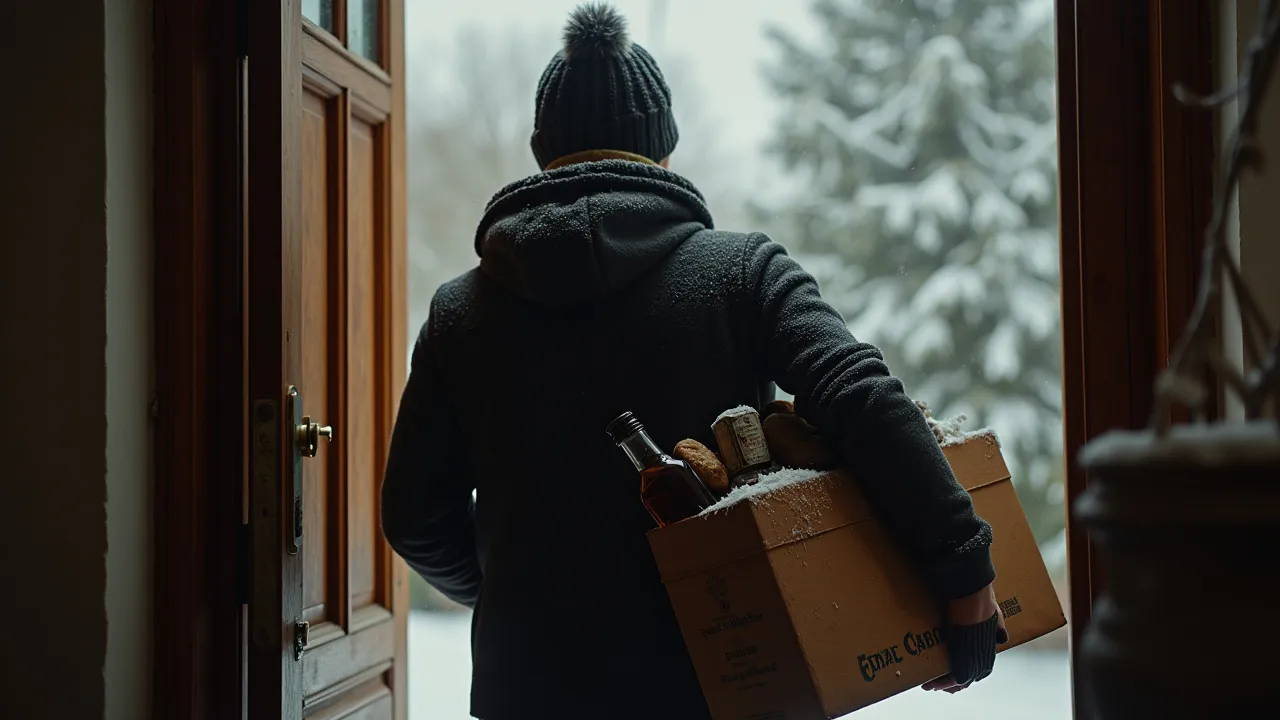
First Foot Day, observed on January 1st, honors the ancient Scottish tradition of first-footing—the first person to cross a home's threshold after midnight brings luck for the new year. Rooted in Hogmanay customs, it has evolved into a global celebration of hospitality and new beginnings.
The Historical Origins & Evolutionary Journey
First Foot Day traces its roots to the ancient Scottish and Northern English celebration of Hogmanay, the New Year's Eve festival. The tradition of first-footing—being the first person to enter a home after midnight—dates back to the Viking invasions of the 8th and 9th centuries, though its modern form crystallized in the 18th century.
The Foundational Catalyst
The original belief was that the first-footer would determine the household's fortune for the coming year. A tall, dark-haired man was considered especially lucky, possibly because fair-haired Vikings were seen as raiders. The first-footer typically brought symbolic gifts: a lump of coal (warmth), a coin (prosperity), a piece of shortbread (food), and a bottle of whisky (good cheer). These items were left at the doorstep or handed over in a specific order.
The Legislative/Official Adoption
While never officially legislated, the tradition was codified through cultural norms and oral tradition. By the 19th century, first-footing was a staple of Hogmanay celebrations across Scotland and northern England. Scottish immigrants carried the practice to North America, Australia, and New Zealand, where it merged with local New Year's customs.
Modern Global Legacy
Today, First Foot Day is observed worldwide on January 1st, often as part of New Year's Day festivities. In Scotland, it remains a deeply respected ritual, while other cultures have adapted the tradition—for example, in the American South, black-eyed peas and collard greens are eaten for luck, paralleling the symbolic foods of first-footing.
How to Celebrate First Foot Day
Celebrating First Foot Day involves acting as a first-footer or welcoming one into your home. Below is a definitive guide to observing this tradition authentically and meaningfully.
Step-by-Step Guide for Individuals
Prepare Your Gifts: Gather a lump of real coal (or a symbolic charcoal piece), a new silver coin, a slice of fruitcake or shortbread, and a small bottle of whisky. Wrap them in a cloth or place them in a basket.
Time Your Entry: Wait until just after midnight on January 1st. Knock on a friend or neighbor's door—the later the knock, the more traditional. Enter with your right foot first.
Offer the Gifts: Present the coal to the homeowner first, then the coin, then the cake, and finally the whisky. Each gift carries a blessing: warmth, wealth, food, and good cheer.
Share a Toast: Pour a dram of whisky for the host and yourself. Clink glasses and say "Lang may yer lum reek!" (Scottish for "Long may your chimney smoke," i.e., may you never be cold or hungry).
For Schools and Communities
Organize a First-Footing Parade: Have children dress up as traditional first-footers and visit classrooms, delivering symbolic gifts and explaining the history.
Host a Hogmanay Party: Combine first-footing with music, dancing, and communal feasting. Encourage attendees to take turns being first-footers at each other's homes.
Create a Class Tradition: Each year, have a student represent the first-footer for the class, bringing good-luck items and a written blessing for the new year.
Corporate and Social Rituals
Office First Foot: Colleagues can take turns being the first to enter the office on January 2nd (if the 1st is a holiday), bringing treats and a toast to team prosperity.
Neighborhood Exchange: Organize a block-wide first-footing rotation where each household is visited by a neighbor bearing gifts. This strengthens community bonds.
Cultural Significance Around the World
While First Foot Day is quintessentially Scottish, similar customs appear across cultures, highlighting a universal desire for auspicious beginnings. In Greece, the tradition of pothariko ("little foot") involves a child being the first to enter the home after midnight, bringing a stone for good luck. In Japan, the hatsumode custom involves the first shrine visit of the year, analogous to the first-footing journey. In Latin America, wearing colored underwear on New Year's Eve—red for love, yellow for money—echoes the symbolic gifts of first-footing. The United States has no formal first-footing tradition, but the Southern custom of eating black-eyed peas and collard greens on January 1st parallels the food-based luck of first-footing. Understanding these parallels enriches the global appreciation of First Foot Day.
Modern Adaptations & Corporate Traditions
In the 21st century, First Foot Day has adapted to urban life and environmental concerns. Many people now use artificial coal or a small piece of granite to avoid the mess of real coal. Some first-footers bring charity donations instead of traditional gifts, aligning the tradition with modern philanthropy. Corporate entities have embraced the custom as a team-building exercise: companies like ScottishPower and Diageo (owner of Johnnie Walker whisky) host annual first-footing events for employees. In virtual form, friends and family may send a "digital first-foot" via video call, showing their gifts on screen while a courier delivers the actual items. These innovations ensure the tradition remains relevant while preserving its core spirit of goodwill and new-year hope.
Symbolic Items & Their Meanings
The items carried by a traditional first-footer are rich in symbolism. Here is a breakdown of each and its intended blessing:
- Coal: Symbolizes warmth and the enduring heart of the home. It also hearkens back to the need for heat during harsh Scottish winters.
- Coin: Represents financial prosperity and abundance in the coming year. Often a silver coin is used to symbolize purity and value.
- Shortbread or Fruitcake: Stands for food security and the sweetness of life. It is a reminder that the household will never go hungry.
- Whisky: The quintessential Scottish offering, it embodies hospitality, cheer, and health. A dram shared seals the bond between first-footer and host.
- Salt (less common): Some older traditions include a pinch of salt to ward off evil spirits and preserve the home's goodness.
These items are typically placed in a sporran (a traditional Scottish pouch) or a small basket. The order of presentation matters: coal first, then coin, then cake, then whisky—each building upon the previous blessing.
Regional Variations in the UK and Beyond
While Scotland is the heartland of first-footing, significant regional differences exist. In Northern England, especially Northumberland and Yorkshire, the first-footing tradition is nearly identical but often omits the coal in favor of a piece of wood. In Wales, the custom is called Calennig (from the Latin calendae), where children go door-to-door on January 1st singing songs and receiving coins or treats—a close cousin to first-footing. In Ireland, the first guest after midnight might bring a loaf of bread and a coin, but the tradition is less formalized. In the Scottish Highlands, first-footers sometimes carry a Cèilidh band to play music and dance in the home. In Canada and Australia, Scottish expatriates maintain the tradition as a link to their heritage, often blending it with local New Year's rituals like fireworks or barbecues.
Historical Timeline
Viking invasions influence the tradition of first-footing, as fair-haired visitors were later considered unlucky, leading to the preference for dark-haired first-footers.
The earliest written references to first-footing appear in Scottish church records, where the custom is condemned as pagan but persists among the populace.
Sir Walter Scott describes first-footing in his novel 'The Antiquary,' bringing the tradition to a wider British audience.
The Scottish journalist and folklorist Alexander Hislop documents first-footing customs in his book 'The Proverbs of Scotland,' noting regional variations.
During World War II, first-footing declined due to blackout restrictions and rationing, but revived strongly in peacetime.
The Scottish Tourist Board promotes Hogmanay and first-footing as key cultural attractions, boosting international awareness.
First-footing becomes a popular New Year's tradition in the United States via Scottish-American societies, often adapted without alcohol.
The rise of social media leads to virtual first-footing events, where people share photos of their gifts online.
First Foot Day gains recognition as a secular holiday on January 1st, celebrated by people of all backgrounds as a day of welcoming and optimism.