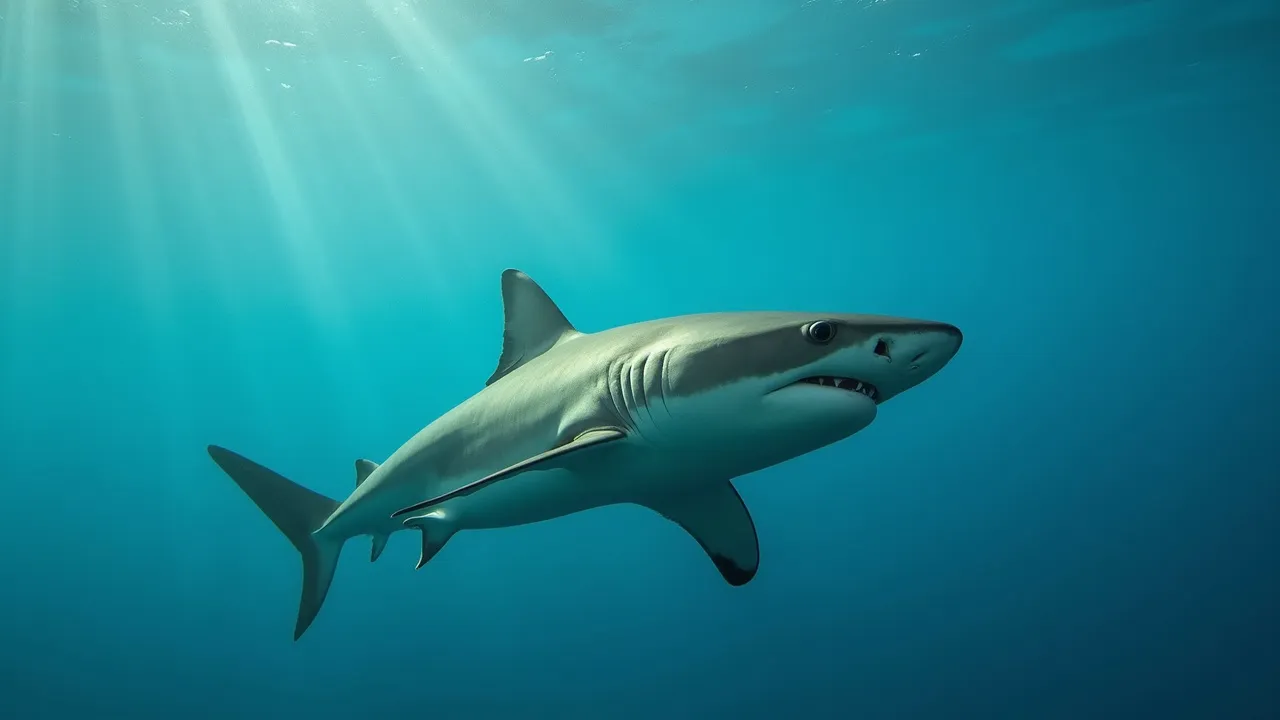
Fintastic Friday, observed on the second Friday in May, is a global grassroots movement to give sharks a voice, raise awareness about shark conservation, and debunk myths. Founded by Julie Andersen in 2014.
The Historical Origins & Evolutionary Journey
Fintastic Friday began as a response to the global crisis facing shark populations. Over 100 million sharks are killed annually, primarily for their fins, and many species are threatened with extinction. The day was founded in 2014 by Julie Andersen, a renowned shark conservationist and founder of the nonprofit Shark Angels. The concept was simple: dedicate one day each year to giving sharks a voice, shifting public perception from fear to fascination and action.
The Foundational Catalyst
The early 2000s saw a surge in awareness about shark finning and the ecological importance of sharks as apex predators. Documentaries like Sharkwater (2006) and The Cove (2009) exposed the brutal realities. Yet, negative stereotypes perpetuated by films like Jaws lingered. Andersen recognized that to save sharks, society needed a cultural shift. She launched Fintastic Friday as a social media campaign under Shark Angels, encouraging people to share facts, photos, and stories about sharks.
The Legislative & Official Adoption
While not an official public holiday, Fintastic Friday gained traction through partnerships with aquariums, conservation groups, and schools. In 2016, the event was recognized by the United Nations Environment Programme as part of World Wildlife Day activities. Several U.S. states issued proclamations, including Florida and Hawaii, where shark tourism is vital. The day is now observed in over 50 countries.
Modern Global Legacy
Today, Fintastic Friday has evolved into a week-long digital campaign called Shark Week of Action, featuring live chats, webinars, and citizen science projects. Organizations like Oceana and Pew Charitable Trusts use the day to push for stronger finning bans. The hashtag #FintasticFriday trends globally each May. The event’s success lies in its grassroots nature: anyone can participate by hosting a beach clean-up, sharing educational content, or donating to shark research.
How to Celebrate Fintastic Friday
Celebrating Fintastic Friday is about taking action to protect sharks and spread awareness. Whether you’re an individual, a school, or a business, there are many impactful ways to participate. Below is a comprehensive guide to the best practices observed worldwide.
For Individuals
- Educate Yourself and Others: Watch documentaries like Sharkwater Extinction or Mission Blue. Share five surprising shark facts on social media with #FintasticFriday.
- Reduce Your Shark Footprint: Avoid products containing shark cartilage or squalene (often in cosmetics). Choose sustainable seafood certified by Marine Stewardship Council.
- Support Conservation: Donate to groups like Shark Angels, Shark Trust, or Bite-Back. Adopt a shark through WWF or Oceana.
For Schools & Educators
- Classroom Activities: Host a shark anatomy lesson, hold a poster contest, or organize a "Shark Myth vs. Fact" debate. Download free lesson plans from Shark Research Institute.
- Virtual Field Trips: Connect with aquariums offering live shark cams (e.g., Monterey Bay Aquarium).
For Organizations & Businesses
- Host a Fundraiser: Run a donation drive or match employee contributions to shark charities.
- Go Plastic-Free: Eliminate single-use plastics in the office; many end up in oceans and harm sharks.
- Sponsor a Research Project: Partner with scientists studying shark migration or population health.
Regional Celebrations
In Australia, beachside communities hold “Shark Spotter” training sessions. In South Africa, cage diving operators offer discounted tours on Fintastic Friday to promote ecotourism. In Japan, conservation groups host finning awareness exhibits. The unifying theme is turning fear into action.
Global Impact & Conservation Milestones
Fintastic Friday has directly contributed to tangible conservation wins. Since its inception, over 30 countries have strengthened shark finning bans, and 15 shark species received international protection under CITES Appendix II (2016-2022). The campaign’s focus on education helped shift public opinion: a 2020 Pew Research survey found that 68% of global respondents now view sharks as vital to ocean health, up from 42% in 2010.
Shark Tourism Boom
The fear-to-fascination shift boosted shark ecotourism, which now generates over $314 million annually worldwide (Australia, Maldives, Bahamas). Fintastic Friday promotions encourage responsible tourism practices, like no baiting or touching.
Policy Changes
In 2018, the European Union closed loopholes in its finning ban, requiring sharks to be landed with fins naturally attached. The U.S. Shark Conservation Act was strengthened in 2021. Campaigns launched on Fintastic Fridays were pivotal in rallying public support for these measures.
The Science Behind Sharks: Why We Need Them
Sharks are keystone species that maintain the balance of marine ecosystems. As apex predators, they control populations of prey species, preventing overgrazing of seagrass beds and coral reefs. Healthy shark populations correlate with greater biodiversity and carbon sequestration. A 2021 study in Nature found that losing sharks could accelerate climate change by destabilizing ocean food webs.
Myth vs. Reality
- Myth: Sharks are man-eaters. Fact: You are more likely to be killed by lightning or a vending machine. Sharks kill fewer than 10 people yearly; humans kill 100 million sharks.
- Myth: Sharks are mindless killers. Fact: Sharks exhibit complex social behaviors, problem-solving skills, and even individual personalities.
How to Get Involved Year-Round
Fintastic Friday is a launch pad for ongoing engagement. Join Shark Angels as a digital volunteer or participate in citizen science projects like eShark (reporting sightings) or Great Shark Snapshot (annual global survey). Consider a career in marine biology or advocacy. Small daily habits matter: use reef-safe sunscreen, avoid shark-derived products, and vote for pro-ocean policies.
Challenges and Criticisms
Despite successes, Fintastic Friday faces criticism. Some argue that focusing on charismatic megafauna like sharks neglects less-visible marine species. Others point to “greenwashing” by corporations that promote shark conservation while contributing to overfishing. The campaign actively counters these issues by emphasizing systemic change and urging supporters to scrutinize corporate sustainability claims.
Historical Timeline
Julie Andersen founds Fintastic Friday under the Shark Angels organization, launching a social media campaign to give sharks a voice on the second Friday in May.
The campaign gains global traction, with participation from over 20 countries. Major aquariums like the Georgia Aquarium host educational events.
United Nations Environment Programme officially recognizes Fintastic Friday as an affiliated event for World Wildlife Day. Shark species gain CITES Appendix II protection.
Fintastic Friday expands to a week-long 'Shark Week of Action' with online webinars and citizen science projects. EU closes finning ban loopholes.
U.S. strengthens Shark Conservation Act. Fintastic Friday trends on social media with over 1 million posts. Several states issue proclamations.
Over 50 countries now observe the day. Shark ecotourism reaches $314 million annually. The hashtag #FintasticFriday becomes a top conservation trend.