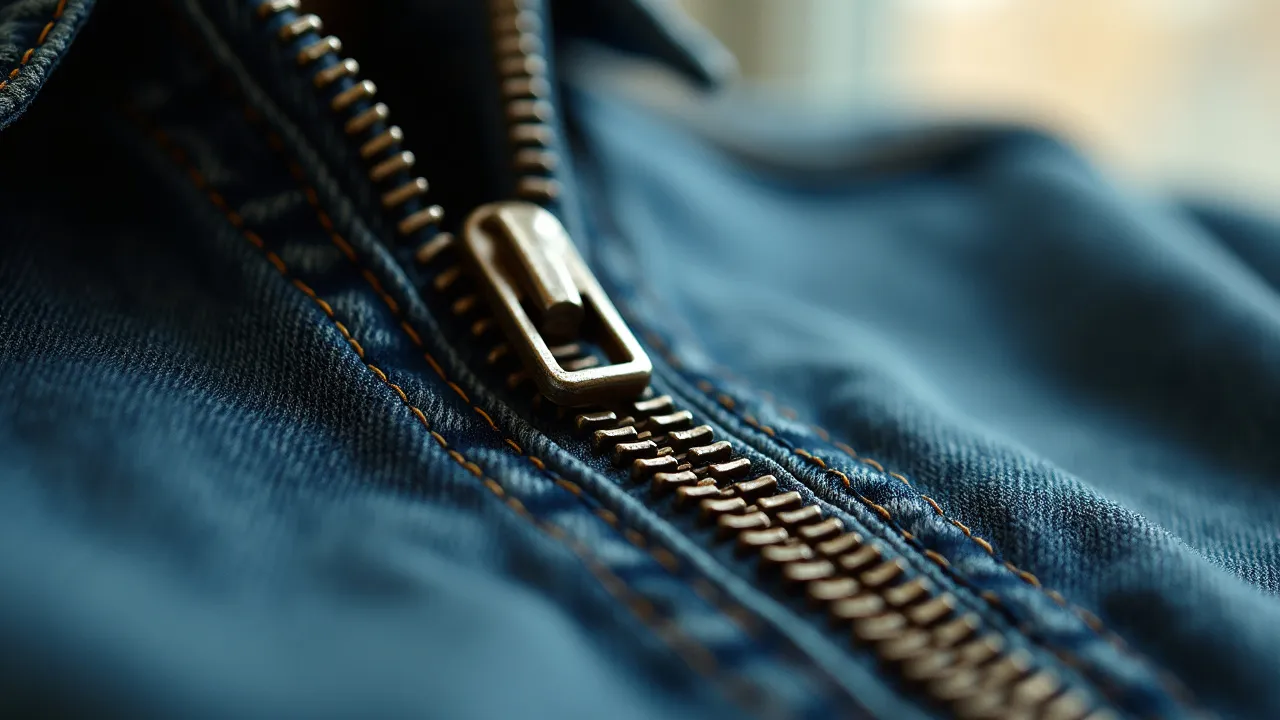
Zipper Day, observed on April 29th, celebrates the invention of the zipper—a fastener that revolutionized clothing and everyday items. This day honors the ingenuity of inventors like Whitcomb Judson and Gideon Sundback.
The Historical Origins & Evolutionary Journey
Zipper Day, celebrated annually on April 29th, commemorates the invention of one of the most ubiquitous fasteners in modern history. The zipper’s journey from a novel idea to a global necessity spans decades of innovation, patent battles, and cultural shifts. This section delves into the foundational catalyst, official adoption, and lasting legacy of the zipper.
The Foundational Catalyst
The story begins in the late 19th century with Whitcomb Judson, an American inventor who patented the "Clasp Locker" in 1893. Judson’s device was a hook-and-eye fastener designed to make fastening shoes easier, but it was bulky and unreliable. Despite its flaws, Judson’s invention laid the groundwork for future improvements. He formed the Universal Fastener Company in 1894, but the product failed commercially due to its complex mechanism and tendency to jam.
Enter Gideon Sundback, a Swedish-American engineer hired by Judson’s company. Sundback refined the design significantly. In 1913, he patented the "Hookless Fastener"—the direct precursor to the modern zipper. Sundback’s key innovation was increasing the number of interlocking teeth per inch and adding a slider that locked the teeth in place securely. This new design was both reliable and easy to manufacture. Sundback’s patent, granted on April 29, 1913, is the reason we celebrate Zipper Day on this date.
The Legislative/Official Adoption
Initially, the zipper was used primarily in footwear and tobacco pouches. During World War I, the U.S. military adopted zippers for flying suits and life vests, giving the fastener a significant boost in production. In the 1920s, the B.F. Goodrich Company used the fastener for rubber boots and coined the term "zipper" from the sound it made when closed. The zipper’s breakthrough came in the 1930s when children’s clothing and women’s dresses began incorporating zippers, gradually replacing buttons and laces. By the 1940s, zippers were standard in jeans, bags, and luggage. The zipper’s widespread adoption was so rapid that by mid-century, it had become an essential component of apparel worldwide.
Modern Global Legacy
Today, zippers are manufactured in countless varieties—metal, plastic, invisible, and waterproof—and are used in everything from outerwear to upholstery. The zipper has also inspired cultural references, from the song "Zip-A-Dee-Doo-Dah" to slang like "zipper merge" in traffic. Zipper Day serves as a reminder of how a simple mechanical device can transform daily life. Across the globe, museums showcase zipper history, and design schools teach the engineering principles behind this humble fastener.
How to Celebrate Zipper Day
Zipper Day is a perfect opportunity to appreciate the ingenious mechanism that keeps our lives together—literally. Whether you’re a fashion enthusiast, a DIY crafter, or a history buff, there are countless ways to celebrate. Below are detailed strategies for individuals, schools, and organizations to make the most of April 29th.
For Individuals
- Wear your favorite zipper-laden outfit: Dig out that leather jacket, denim jeans, or hoodie and wear it proudly. Snap a photo and share it on social media with #ZipperDay.
- DIY zipper crafts: Transform old zippers into wallets, bracelets, or decorative pieces. Online tutorials abound for zipper flowers or keychains.
- Learn the history: Read about Whitcomb Judson and Gideon Sundback at your local library or via online archives. You can even visit a patent office website to view the original 1913 patent.
For Schools
- Science lesson: Demonstrate how zippers work as a simple machine, combining incline planes and levers. Have students build a working model using cardboard and paperclips.
- History project: Assign students to create a timeline of zipper evolution, from Judson’s clasp to modern invisible zippers.
- Art class: Encourage students to make zipper collages or design their own zipper patterns. Display the artwork in school hallways.
For Organizations
- Host a zipper drive: Collect old clothing with zippers for donation to textile recycling programs or charities.
- Workshop: Invite a tailor or designer to teach zipper replacement techniques. This promotes repair over disposal, aligning with sustainable fashion.
- Social media campaign: Create a competition for the most creative use of a zipper. Offer prizes like gift cards or zipper-themed merchandise.
In different countries, celebrations vary. In Japan, where zipper production is highly advanced, some factories open tours for Zipper Day. In Sweden (Gideon Sundback’s homeland), museums host exhibits on Swedish inventions. In the United States, fabric stores often run discounts on zippers. No matter where you are, the core idea is to appreciate the zipper’s role in simplifying our lives.
Global Impact and Industry Transformations
The zipper’s impact transcends mere convenience; it reshaped the fashion, luggage, and manufacturing industries. From the runways of Paris to the factories of China, zippers enabled designers to create sleek, fitted garments without bulky buttons or laces. In the 20th century, the zipper became a symbol of modernity and efficiency.
Fashion Revolution
Before zippers, dresses had to be pulled over the head or fastened with many small hooks. The zipper allowed for form-fitting silhouettes, particularly in women’s evening gowns and men’s uniform pants. In the 1930s, designer Elsa Schiaparelli famously used zippers as decorative elements, turning functional hardware into avant-garde statements. By the 1950s, zippers were integral to the "New Look" and the rise of blue jeans.
Industrial Efficiency
On the factory floor, zippers reduced the time needed to sew garments, lowering production costs and making ready-to-wear clothing affordable. The zipper industry itself boomed, with companies like YKK (Japan) and Talon (USA) dominating global supply. YKK alone produces over half the world’s zippers, emphasizing the product’s ubiquity. Zipper manufacturing also drove innovation in metal stamping, plastic molding, and automated assembly.
Cultural Symbolism
The zipper has entered everyday language and art. Phrases like "zipper merge" and "zip it" derive from the fastener. In pop culture, the zipper appears in songs, movies, and even furniture design. Zipper Day encourages reflection on how a simple mechanical concept can weave itself into the fabric of society.
Technological Evolution and Modern Variations
The zipper has evolved far beyond its 1913 design. Today, engineers continue to refine and diversify zipper technology to meet new demands. This section explores the key innovations and specialized zippers that serve unique purposes.
Types of Zippers
- Coil zippers: Made from polyester or nylon coils, these are flexible and common on luggage and outdoor gear.
- Invisible zippers: Designed to be concealed within a seam, popular in formal wear and skirts.
- Waterproof zippers: Used in scuba diving suits, rainwear, and dry bags, these feature a gasket that prevents water ingress.
- Magnetic zippers: A recent innovation, these use magnets to self-align, making them easier to close for people with disabilities.
Smart Zippers
With the rise of wearable technology, researchers have developed "smart" zippers that can monitor closure, detect tampering, or even harvest energy from motion. Companies are exploring zippers that charge devices as you zip. While still in prototype, these advancements could redefine the fastener’s role in the Internet of Things.
Environmental concerns are also driving change. Biodegradable zippers made from plant-based materials are being tested, addressing the problem of plastic waste from conventional nylon zippers. Zipper Day is an excellent time to highlight these sustainable innovations.
Zipper Day in Popular Culture and Media
Zipper Day has gradually gained recognition in media, though it remains an unofficial observance. Television shows, blogs, and social media influencers often feature the day with quirky content. Magazines publish articles on the best zipper-fix hacks, and fashion brands release limited-edition zipper accessories.
Notable Mentions
In 2019, Google Doodle celebrated Zipper Day with an interactive animation showing the zipper’s history. The Smithsonian Magazine ran a feature titled "The Zipper: A Timeless Fastener" on April 29th. Podcasts dedicated to invention history frequently release episodes on the zipper’s inventors. On social media, hashtags like #ZipperDay and #ZipUp tend to trend modestly, with users sharing selfies in zippered clothing or before-and-after zipper repair photos.
Artistic Interpretations
Artists have used zippers as metaphors for connection and separation. Sculptures made entirely of zippers, such as those by artist Diana Achtzig, have been exhibited in galleries. Zipper Day inspires such creative expressions, reminding us that even everyday objects can be poetic.
Frequently Asked Questions About Zipper Day
To deepen understanding, we address common queries about the observance and the fastener itself. This section groups typical questions and answers in a structured format.
General Queries
- Why is Zipper Day on April 29th? It marks the date of Gideon Sundback’s 1913 patent for the modern zipper.
- Who invented the zipper? Whitcomb Judson invented an early version, but Gideon Sundback is credited with the functional zipper we use today.
- Is Zipper Day a public holiday? No, it is an unofficial observance celebrated by enthusiasts and hobbyists.
Technical Queries
- How does a zipper work? A slider pushes interlocking teeth together or apart, using a wedge action to engage or disengage the teeth.
- What are zipper teeth made of? Common materials include metal (brass, nickel), plastic (nylon, polyester), and rarely, wood or ceramic.
- How many zippers are produced annually? Approximately 7 billion zippers are manufactured each year, with YKK producing nearly half.
For more detailed answers, refer to the FAQ section below.
Historical Timeline
Whitcomb Judson patents the "Clasp Locker," a hook-and-eye shoe fastener. He forms the Universal Fastener Company but the product fails commercially.
Gideon Sundback patents the "Hookless Fastener" on April 29th, featuring more interlocking teeth and a reliable slider. This is the direct ancestor of the modern zipper.
Sundback’s design is used in the first practical application: a money belt for the U.S. Navy. Later, the military adopts zippers for flying suits and life vests during World War I.
The B.F. Goodrich Company uses Sundback’s fastener for rubber boots and coins the onomatopoeic name "zipper." The term enters popular vocabulary.
Zippers begin appearing in children’s clothing and women’s dresses, gradually replacing buttons and laces. The fashion industry embraces zippers for their convenience and clean lines.
Zippers become standard in denim jeans, luggage, and handbags. Wartime production boosts manufacturing capabilities and public familiarity.
Invisible zippers are invented, allowing zippers to be hidden within seams. This innovation is widely adopted in formal and high-end fashion.
YKK (Yoshida Kogyo Kabushikikaisha) becomes the world’s largest zipper manufacturer, producing over half of all zippers globally. The company emphasizes quality and innovation.
The 100th anniversary of Sundback’s patent sees special celebrations, exhibitions, and media coverage. Zipper Day gains increased recognition.